



AD
Ethyl 3,4-dihydro-2H-pyran-2-carboxylate(CAS: 83568-11-0)
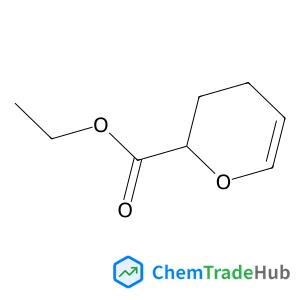
CAS Number
Related Products
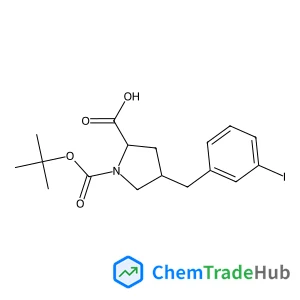
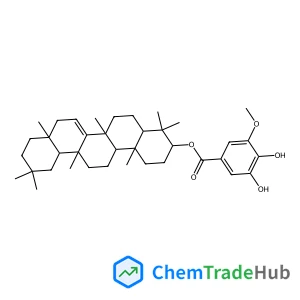
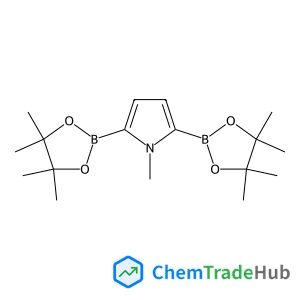
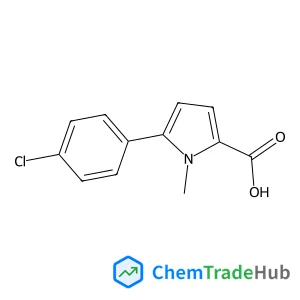
![[4-(Propoxymethyl)phenyl]boronic acid](https://static.chemtradehub.com/structs/160/160061-48-3-d8f7.webp)
[4-(Propoxymethyl)phenyl]boronic acid
CAS Number: 160061-48-3
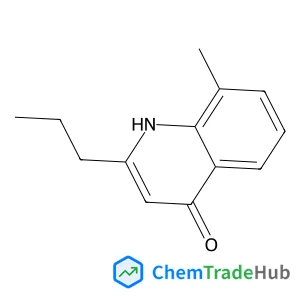
4-Hydroxy-8-methyl-2-propylquinoline
CAS Number: 1070879-87-6
Other Suppliers for Ethyl 3,4-dihydro-2H-pyran-2-carboxylate




Basic Information
Molecular Formula
C8H12O3
Molecular Weight
156.18 g/mol
Physical Properties
Boiling Point
214.1°C at 760 mmHg
Density
1.077
Flash Point
81.3°C
Chemical Identifiers
SMILES
CCOC(=O)C1CCC=CO1
InChIKey
HXBSUCZDAYLJDO-UHFFFAOYSA-N
Database References
MDL Number
MFCD06204669
FAQ
Ethyl 3,4-dihydro-2H-pyran-2-carboxylate (CAS: 83568-11-0) is classified under the Globally Harmonized System of Classification and Labelling of Chemicals (GHS) as a non-flammable, non-toxic chemical. It is subject to the Registration, Evaluation, Authorisation, and Restriction of Chemicals (REACH) regulations in the European Union, which require manufacturers and importers to register the chemical with the European Chemicals Agency (ECHA). Additionally, the U.S. Food and Drug Administration (FDA) and Environmental Protection Agency (EPA) have specific guidelines for handling and use in medicinal and environmental contexts.
Ethyl 3,4-dihydro-2H-pyran-2-carboxylate (CAS: 83568-11-0) is a versatile compound used in various organic syntheses. Alternatives include similar carboxylic acids with different substituents, such as methyl 3,4-dihydro-2H-pyran-2-carboxylate, or other isomers like 2-methyl-3,4-dihydro-2H-pyran-2-carboxylate. Common reagents used in place of this compound include ethyl acetate or acetic anhydride, depending on the desired reaction pathway.
What is the market or research trend for Ethyl 3,4-dihydro-2H-pyran-2-carboxylate (CAS: 83568-11-0)?
The market for Ethyl 3,4-dihydro-2H-pyran-2-carboxylate (CAS: 83568-11-0) is growing due to its applications in pharmaceuticals, agrochemicals, and polymer synthesis. Research trends focus on its use as a building block for complex organic molecules and its role in sustainable chemical processes. Recent studies also explore its environmental impact and safer alternatives to traditional synthetic routes.
Waste containing Ethyl 3,4-dihydro-2H-pyran-2-carboxylate (CAS: 83568-11-0) should be collected in appropriate containers and disposed of through a professional waste disposal service. Incineration is a common method for disposing of such organic waste. Environmental protection measures include proper handling to prevent soil and water contamination. It is essential to follow local environmental regulations and guidelines for safe disposal.
Safety Notice
Please verify product specifications and safety data before use. Contact the supplier for detailed safety information.
Always follow proper handling procedures

Contact Information
Contact Person
Tang Silei
2881489226@qq.com
Mobile
15026964105
Telephone
15026964105
Fax
021-55068248
Visit Website
https://www.shyuanye.comAddress
No. 6 Building, 465 Changta Road, Songjiang District, Shanghai