



AD
(1S,2R,5R)-2-Isopropyl-5-methylcyclohexanol(CAS: 23283-97-8)
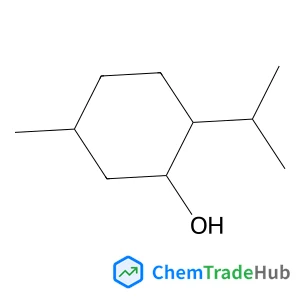
CAS Number
Related Products
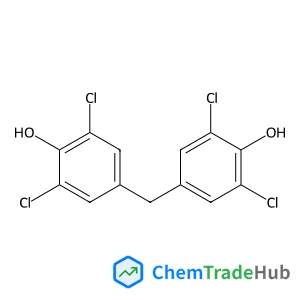
Tetrachloro-BPF
CAS Number: 3933-88-8
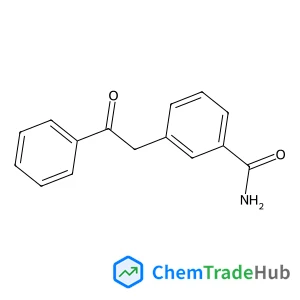
3-(2-Oxo-2-phenylethyl)benzamide
CAS Number: 465514-78-7
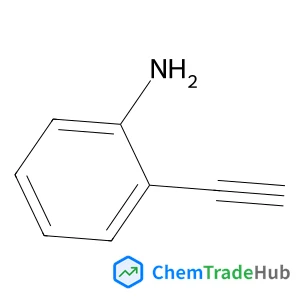
2-ethynylaniline
CAS Number: 52670-38-9
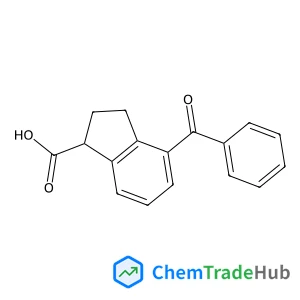
4-Benzoyl-1-indanecarboxylic acid
CAS Number: 56461-33-7
![N-(4-{[(2-Amino-4-oxo-1,4,5,6,7,8-hexahydropyrido[3,2-d]pyrimidin-6-yl)methyl]amino}benzoyl)-L-glutamic acid](https://static.chemtradehub.com/structs/519/51989-29-8-63d5.webp)
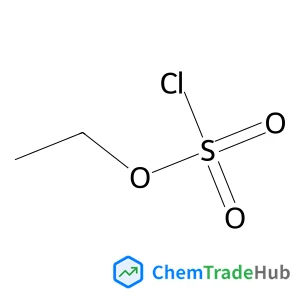
Ethyl sulfurochloridate
CAS Number: 625-01-4

Articaine-014
CAS Number: 23964-64-9
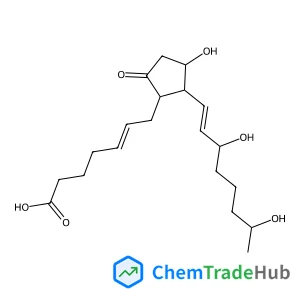
15(R)-19(R)-Hydroxy prostaglandin E2
CAS Number: 54142-29-9
Other Suppliers for (1S,2R,5R)-2-Isopropyl-5-methylcyclohexanol





Basic Information
Molecular Formula
C10H20O
Molecular Weight
156.27 g/mol
Physical Properties
Melting Point
77-83 °C (lit.)
Boiling Point
218-219 °C(lit.)
Flash Point
93.3±0.0 ºC,
Chemical Identifiers
SMILES
CC1CCC(C(C1)O)C(C)C
InChIKey
NOOLISFMXDJSKH-BBBLOLIVSA-N
Database References
MDL Number
MFCD00062984
FAQ
This compound falls under the Classification, Labelling, and Packaging (CLP) Directive in the EU, requiring it to be classified as a flammable liquid. In the U.S., it is regulated under the Occupational Safety and Health Administration (OSHA) and the Environmental Protection Agency (EPA) for workplace safety and environmental protection. The Chemicals of Very High Concern (SVHC) list in REACH also applies, and it may be subject to notification and authorization requirements. Always consult the most current Safety Data Sheet (SDS) for specific handling instructions.
Several alternatives can be used depending on the specific reaction conditions. For instance, (1R,2S,5R)-2-Isopropyl-5-methylcyclohexanol is a closely related isomer that can be used in similar reactions. Other common reagents include 2-Isopropylcyclohexanol and 2-Methylcyclohexanol, which may offer similar functional groups for substitution reactions. It is essential to assess the reactivity and purity of these alternatives to determine their suitability for the synthesis.
The demand for (1S,2R,5R)-2-Isopropyl-5-methylcyclohexanol has been steady in the pharmaceutical and cosmetic industries due to its use as a raw material in the production of fragrances and flavorings. Recent research trends focus on exploring its potential in natural product synthesis and as a sustainable alternative to petrochemical-based compounds. Market trends suggest a growing interest in green chemistry approaches, which may drive demand for this compound in eco-friendly applications.
Waste containing this compound should be collected in appropriate, labeled containers and stored in a well-ventilated area away from sources of ignition. Incineration is a common method of disposal, provided it meets all environmental and regulatory requirements. For small quantities, closed-vessel incineration is recommended. Hazardous waste disposal services can be utilized for larger volumes, ensuring compliance with local and international regulations. Always consult the latest safety guidelines and disposal procedures outlined in the SDS.
Safety Notice
Please verify product specifications and safety data before use. Contact the supplier for detailed safety information.
Always follow proper handling procedures
Contact Information
Contact Person
Xiao Zhang
2012558459@qq.com