



AD
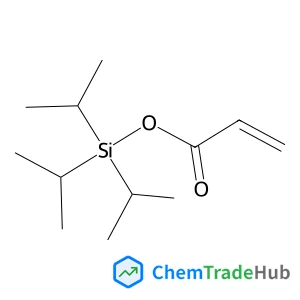
Triisopropylsilyl acrylate(CAS: 157859-20-6)
CAS Number
Related Products
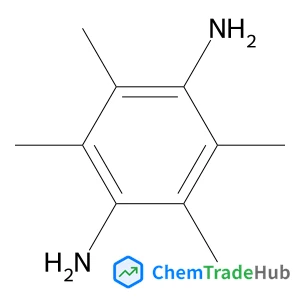
2,3,5,6-Tetramethyl-1,4-benzenediamine
CAS Number: 3102-87-2
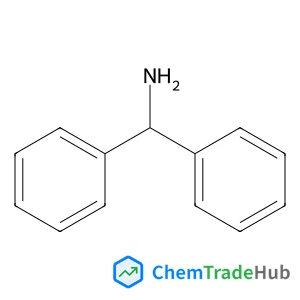
1,1-Diphenylmethanamine
CAS Number: 91-00-9
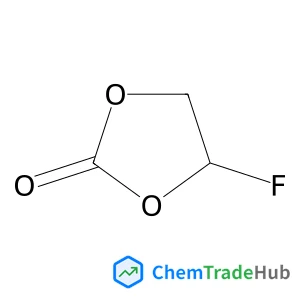
4-fluoro-1,3-dioxolan-2-one
CAS Number: 114435-02-8
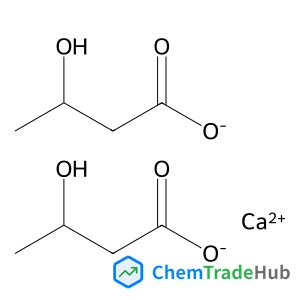
3-Hydroxybutanoic acid calcium salt
CAS Number: 586976-56-9
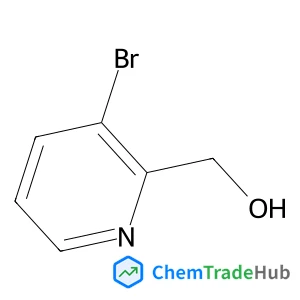
(3-Bromo-2-pyridinyl)methanol
CAS Number: 52378-64-0
Other Suppliers for Triisopropylsilyl acrylate



Basic Information
Molecular Formula
C12H24O2Si
Molecular Weight
228.41 g/mol
Physical Properties
Boiling Point
102°C/10mmHg(lit.)
Flash Point
77.6±14.3 ºC,
Chemical Identifiers
SMILES
CC(C)[Si](C(C)C)(C(C)C)OC(=O)C=C
InChIKey
PQSIXYSSKXAOFE-UHFFFAOYSA-N
Database References
MDL Number
MFCD01861733
FAQ
Triisopropylsilyl acrylate (CAS: 157859-20-6) is a colorless, viscous liquid with a refractive index of 1.43 and a specific gravity of 1.02 g/cm³. It has a molecular weight of approximately 274.4 g/mol and is poorly soluble in water but miscible with most organic solvents. It is known for its reactivity in polymerization reactions under UV light or through free radical initiators. It undergoes addition and substitution reactions readily, making it an important monomer in the synthesis of functional polymers.
Triisopropylsilyl acrylate (CAS: 157859-20-6) is commonly synthesized by reacting acryloyl chloride with isopropyl silyl chloride in the presence of a base like triethylamine. The reaction typically yields a high selectivity and good yield. The process involves careful control of temperature and reaction time to ensure product purity and safety. Catalysts are not typically required for this synthesis, but the reaction is sensitive to moisture and should be performed under anhydrous conditions.
Triisopropylsilyl acrylate (CAS: 157859-20-6) is widely used in the pharmaceutical industry for the synthesis of bioactive molecules, in polymer science for the development of functional polymers, and in the electronics industry for the fabrication of sensitive sensors and semiconductors. Its use in adhesives and coating formulations is also common due to its excellent adhesion properties and chemical stability.
When handling Triisopropylsilyl acrylate (CAS: 157859-20-6), it is essential to use appropriate personal protective equipment (PPE), including gloves, goggles, and a lab coat. The substance should be stored in a cool, dry place away from heat and ignition sources. It should be handled in a well-ventilated area or fume hood to minimize exposure to vapors. In case of a spill, it should be cleaned up immediately using appropriate absorbent material. Always refer to the Safety Data Sheet (SDS) for detailed handling and disposal information.
Safety Notice
Please verify product specifications and safety data before use. Contact the supplier for detailed safety information.
Always follow proper handling procedures
Contact Information
Contact Person
Min Huiping
3771156959@qq.com