



AD
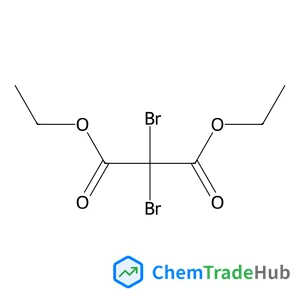
Diethyl dibromomalonate(CAS: 631-22-1)
CAS Number
Related Products
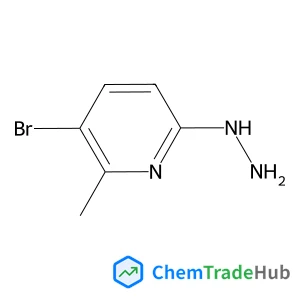
3-Bromo-6-hydrazinyl-2-methylpyridine
CAS Number: 39919-66-9
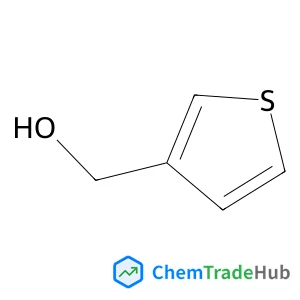
3-Thienylmethanol
CAS Number: 71637-34-8
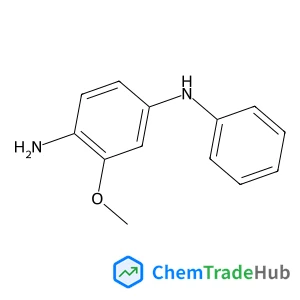
3-Methoxy-N1-phenylbenzene-1,4-diamine
CAS Number: 5840-10-8
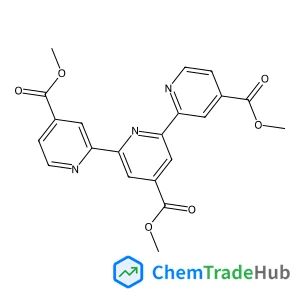
![5-Isoquinolinesulfonamide, N-[2-[[3-(4-bromophenyl)-2-propen-1-yl]amino]ethyl]-](https://static.chemtradehub.com/structs/127/127243-85-0-0f72.webp)
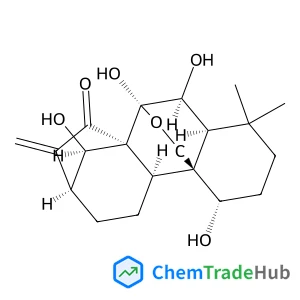
Oridonin
CAS Number: 28957-04-2
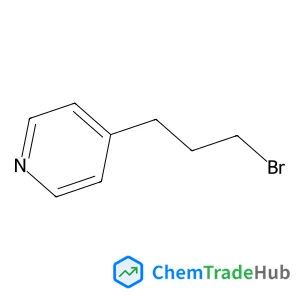
4-(3-Bromopropyl)pyridine
CAS Number: 40337-66-4
Other Suppliers for Diethyl dibromomalonate







Basic Information
Molecular Formula
C7H10Br2O4
Molecular Weight
317.96 g/mol
Physical Properties
Boiling Point
140-143 °C/18 mmHg(lit.)
Density
1.68 g/mL at 25 °C(lit.)
Chemical Identifiers
SMILES
CCOC(=O)C(C(=O)OCC)(Br)Br
InChIKey
PFZYFZRUPFUEOB-UHFFFAOYSA-N
Database References
MDL Number
MFCD00015154
Beilstein Registry Number
1783879
FAQ
Diethyl dibromomalonate (CAS: 631-22-1) falls under the classification of chemicals with potential health and environmental hazards. It is regulated under the Globally Harmonized System of Classification and Labelling of Chemicals (GHS) for its corrosive properties. Additionally, it is subject to the European Union’s Registration, Evaluation, Authorisation, and Restriction of Chemicals (REACH) regulations. In the United States, it is regulated by the Environmental Protection Agency (EPA) and the Food and Drug Administration (FDA) for safety and environmental compliance. Proper handling and storage should be in accordance with these guidelines.
There are alternative reagents that can be used in synthesis depending on the specific application. For example, ethyl dibromomalonate or other dibromo malonate derivatives might be used as alternatives. Additionally, synthetic pathways using different functional groups such as bromoacetic acid or bromoform can be explored. The choice of alternative reagents depends on the desired product properties and the reaction conditions.
The market for Diethyl dibromomalonate (CAS: 631-22-1) is primarily driven by its use in the synthesis of pharmaceuticals and fine chemicals. Recent research trends focus on developing more sustainable and efficient synthesis methods. There is also growing interest in exploring its applications in advanced materials and polymers. Market trends indicate increasing demand, particularly from the pharmaceutical industry, driven by the development of new drugs.
Waste containing Diethyl dibromomalonate (CAS: 631-22-1) should be collected in appropriate, labeled containers and stored in a secure, well-ventilated area. Disposal should be handled by a professional waste management service that specializes in hazardous waste. Incineration may be a suitable method, but it must be done in accordance with local regulations. Environmental precautions include ensuring that the waste does not contaminate soil or water sources. Compliance with regulatory guidelines is essential to ensure safe disposal.
Safety Notice
Please verify product specifications and safety data before use. Contact the supplier for detailed safety information.
Always follow proper handling procedures
Contact Information
2355265332@qq.com