



AD
2-Methyl-L-proline(CAS: 42856-71-3)
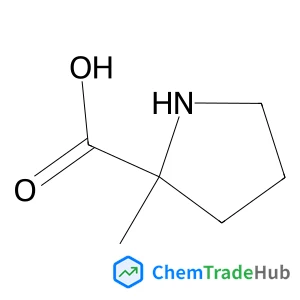
CAS Number
Related Products
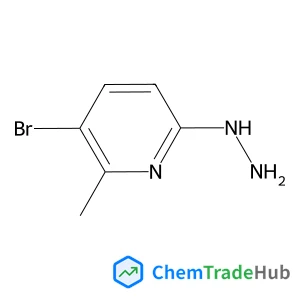
3-Bromo-6-hydrazinyl-2-methylpyridine
CAS Number: 39919-66-9
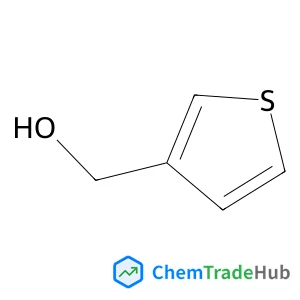
3-Thienylmethanol
CAS Number: 71637-34-8
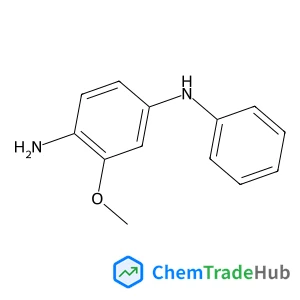
3-Methoxy-N1-phenylbenzene-1,4-diamine
CAS Number: 5840-10-8
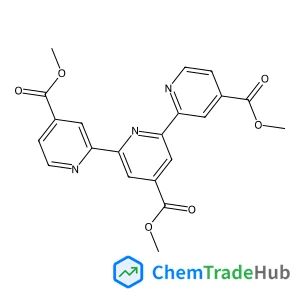
![5-Isoquinolinesulfonamide, N-[2-[[3-(4-bromophenyl)-2-propen-1-yl]amino]ethyl]-](https://static.chemtradehub.com/structs/127/127243-85-0-0f72.webp)
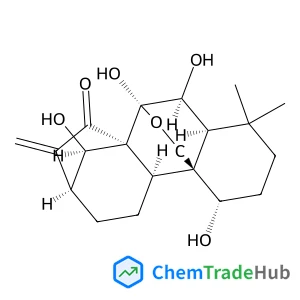
Oridonin
CAS Number: 28957-04-2
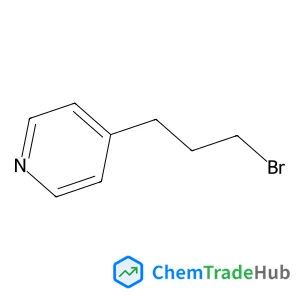
4-(3-Bromopropyl)pyridine
CAS Number: 40337-66-4
Other Suppliers for 2-Methyl-L-proline





Basic Information
Molecular Formula
C6H11NO2
Molecular Weight
129.16 g/mol
Physical Properties
Melting Point
310°C(lit.)
Chemical Identifiers
SMILES
CC1(CCCN1)C(=O)O
InChIKey
LWHHAVWYGIBIEU-LURJTMIESA-N
Database References
MDL Number
MFCD01318647
FAQ
2-Methyl-L-proline (CAS: 42856-71-3) falls under the classification of a chemical substance under the Globally Harmonized System of Classification and Labelling of Chemicals (GHS). It is regulated under the REACH (Registration, Evaluation, Authorisation and Restriction of Chemicals) in the EU and may be subject to FDA and EPA regulations in the USA. Manufacturers and importers must ensure compliance with these regulations for proper handling, labeling, and reporting.
While 2-Methyl-L-proline is a useful proline derivative, there are alternative proline analogs such as L-proline itself or other cyclic amino acids that can be used in synthesis. Other common alternatives include D-proline or substituted prolines, which may offer similar functionality with different reactivity profiles. The choice depends on the specific reaction conditions and desired properties of the final product.
The market for 2-Methyl-L-proline (CAS: 42856-71-3) is growing due to its applications in pharmaceuticals, peptides, and polymer synthesis. Recent research trends include its use in developing new peptide drugs and biodegradable polymers. The demand is also influenced by its reactivity and stability, making it a valuable reagent in organic synthesis. However, market fluctuations can be influenced by changes in regulatory requirements and availability.
Waste containing 2-Methyl-L-proline (CAS: 42856-71-3) should be collected in appropriate containers and stored under controlled conditions to prevent degradation or contamination. It should be disposed of through a professional waste disposal service that adheres to local and national regulations. Environmental protection measures, such as neutralizing the waste solution before disposal, should be taken to minimize ecological impact. Incineration is also a viable option for complete destruction of the waste material.
Safety Notice
Please verify product specifications and safety data before use. Contact the supplier for detailed safety information.
Always follow proper handling procedures
Contact Information
2355265332@qq.com