



AD
METHACRYLOYL OXYETHYL DIMETHYLBENZYL AMMONIUM CHLORIDE(CAS: 46917-07-1)
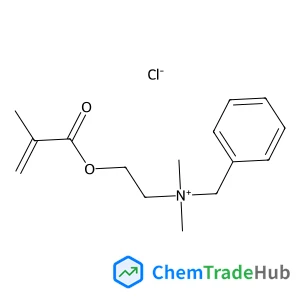
CAS Number
Related Products
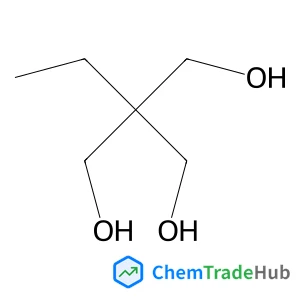
2-Ethyl-2-(hydroxymethyl)-1,3-propanediol
CAS Number: 77-99-6
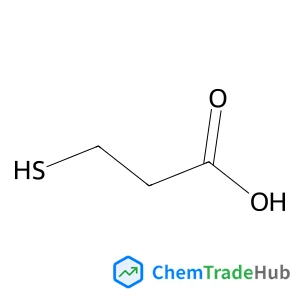
3-Sulfanylpropanoic acid
CAS Number: 107-96-0
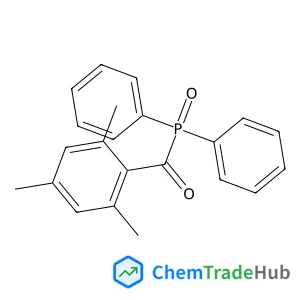
(Diphenylphosphoryl)(mesityl)methanone
CAS Number: 75980-60-8
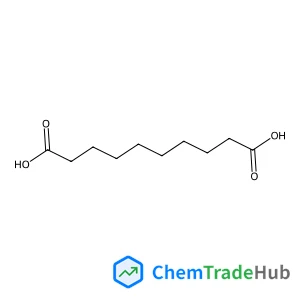
Sebacic acid
CAS Number: 111-20-6
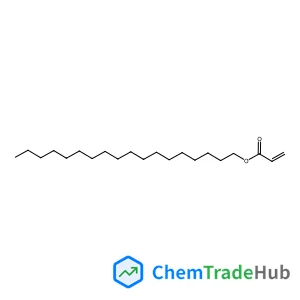
Octadecyl acrylate
CAS Number: 4813-57-4
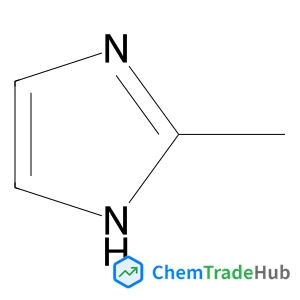
2-methyl-1H-imidazole
CAS Number: 693-98-1
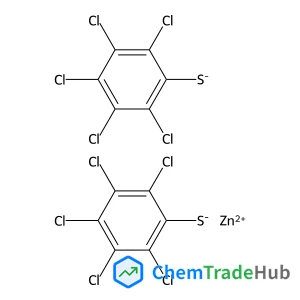
Pentachlorobenzenethiol zinc salt
CAS Number: 117-97-5
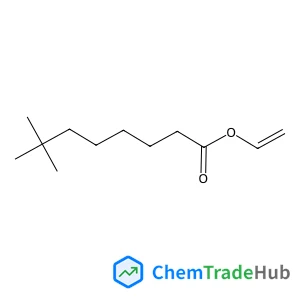
Vinyl 2,2-dimethyloctanoate
CAS Number: 51000-52-3
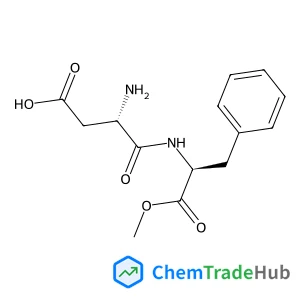
Aspartame
CAS Number: 22839-47-0
Other Suppliers for METHACRYLOYL OXYETHYL DIMETHYLBENZYL AMMONIUM CHLORIDE






Basic Information
Molecular Formula
C15H22ClNO2
Molecular Weight
283.79 g/mol
Physical Properties
Melting Point
108-110 ºC
Chemical Identifiers
SMILES
CC(=C)C(=O)OCC[N+](C)(C)CC1=CC=CC=C1.[Cl-]
InChIKey
CRGOPMLUWCMMCK-UHFFFAOYSA-M
Database References
MDL Number
MFCD04038840
FAQ
METHACRYLOYL OXYETHYL DIMETHYLBENZYL AMMONIUM CHLORIDE (CAS: 46917-07-1) is subject to various regulatory guidelines, including GHS classification under the Globally Harmonized System of Classification and Labelling of Chemicals, which categorizes it as a skin and eye irritant. In the EU, it falls under REACH regulations, requiring manufacturers and importers to register substances above one tonne per year. Additionally, FDA and EPA regulations may apply based on its use in the US, particularly in consumer products and industrial applications.
There are several alternatives to METHACRYLOYL OXYETHYL DIMETHYLBENZYL AMMONIUM CHLORIDE (CAS: 46917-07-1) in synthesis, including other quaternary ammonium compounds such as benzalkonium chloride or cetylpyridinium chloride. These alternatives offer similar properties like antimicrobial activity and can be used as substitutes depending on the specific application and regulatory considerations.
The market for METHACRYLOYL OXYETHYL DIMETHYLBENZYL AMMONIUM CHLORIDE (CAS: 46917-07-1) is driven by its use in various applications such as personal care products, textiles, and pharmaceuticals. Research trends indicate growing interest in its antimicrobial properties and its potential in developing more sustainable and environmentally friendly formulations. However, regulatory changes and consumer preferences for natural products may impact its market dynamics.
Waste containing METHACRYLOYL OXYETHYL DIMETHYLBENZYL AMMONIUM CHLORIDE (CAS: 46917-07-1) should be handled according to local regulations and best practices for hazardous waste disposal. Collection should be done in appropriate containers, and disposal should follow local waste management guidelines. Incineration or professional waste disposal services are recommended to ensure safe and compliant handling. Environmental precautions should include proper handling to prevent spills and contamination of water sources.
Safety Notice
Please verify product specifications and safety data before use. Contact the supplier for detailed safety information.
Always follow proper handling procedures
Contact Information
Contact Person
Yu Dongfeng
vocas@foxmail.com