



AD
(2,4-Dichlorophenyl)acetonitrile(CAS: 6306-60-1)
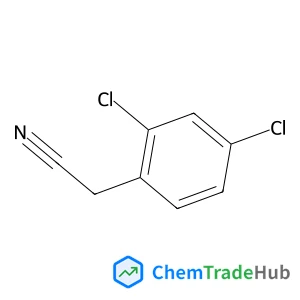
CAS Number
Related Products
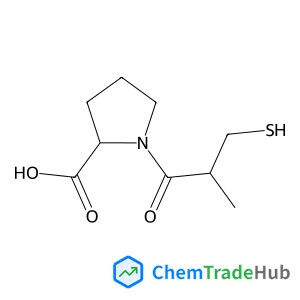
Captopril
CAS Number: 62571-86-2
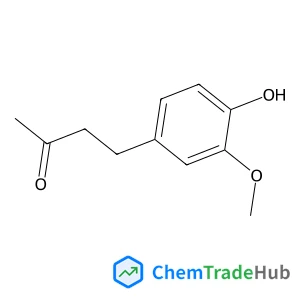
4-(4-Hydroxy-3-methoxyphenyl)-2-butanone
CAS Number: 122-48-5
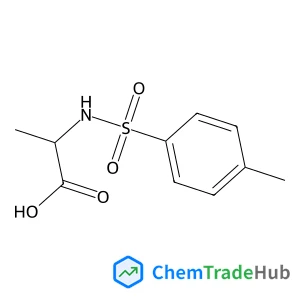
N-Tosyl-L-alanine
CAS Number: 21957-58-4

Alanyl-L-tyrosine
CAS Number: 3061-88-9
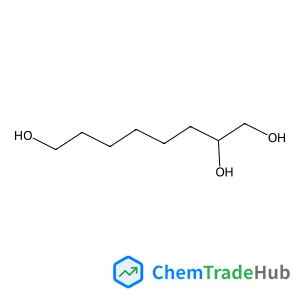
Octane-1,2,8-triol
CAS Number: 382631-43-8
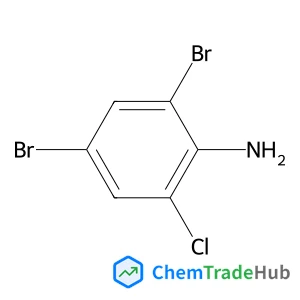
2,4-Dibromo-6-chloroaniline
CAS Number: 874-18-0
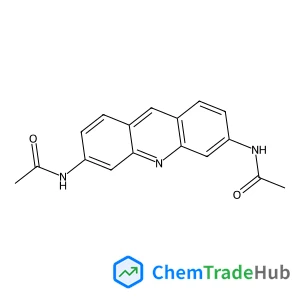
N,N'-3,6-Acridinediyldiacetamide
CAS Number: 15724-70-6
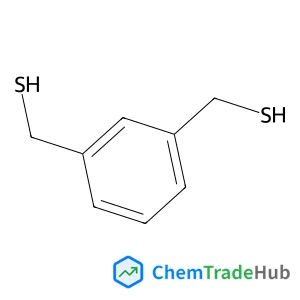
1,3-Phenylenedimethanethiol
CAS Number: 41563-69-3
Other Suppliers for (2,4-Dichlorophenyl)acetonitrile






Basic Information
Molecular Formula
C8H5Cl2N
Molecular Weight
186.03 g/mol
Physical Properties
Melting Point
58-61 °C (lit.)
Boiling Point
306.06°C (rough estimate)
Density
1.4274 (rough estimate)
Chemical Identifiers
SMILES
C1=CC(=C(C=C1Cl)Cl)CC#N
InChIKey
VJARIBGMDPJLCL-UHFFFAOYSA-N
Database References
MDL Number
MFCD00001899
Beilstein Registry Number
2047688
FAQ
(2,4-Dichlorophenyl)acetonitrile is a yellow to orange crystalline solid with a molecular weight of approximately 217.02 g/mol. It has a low solubility in water but is soluble in common organic solvents like ethanol and acetone. Chemically, it is moderately reactive, particularly towards nucleophilic substitution reactions. Its crystalline form allows for effective purification and crystallization techniques.
(2,4-Dichlorophenyl)acetonitrile is synthesized by a multistep process starting from 2,4-dichlorophenylacetic acid, which is converted to the acetonitrile derivative using a series of reactions involving acetonitrile and a catalyst such as palladium(II) acetate. The synthesis typically involves nitration and subsequent deacylation steps, yielding a product with high selectivity and good yield.
(2,4-Dichlorophenyl)acetonitrile is utilized in various industries, particularly in the pharmaceutical sector for the development of certain compounds. It also finds applications in the production of certain dyes and pigments, as well as in the synthesis of materials used in semiconductor and sensor technologies.
When handling (2,4-Dichlorophenyl)acetonitrile, it is essential to wear appropriate personal protective equipment (PPE) such as gloves, safety goggles, and a lab coat. Work should be conducted in a well-ventilated area or a fume hood. Spills should be cleaned up immediately using appropriate absorbents. Always consult the Safety Data Sheet (SDS) for detailed information on handling and disposal procedures.
Safety Notice
Please verify product specifications and safety data before use. Contact the supplier for detailed safety information.
Always follow proper handling procedures
Contact Information
Contact Person
Zhang Zeyuan
Sales-CN@TCIchemicals.com