



AD
1,3-Dichloroacetone(CAS: 534-07-6)
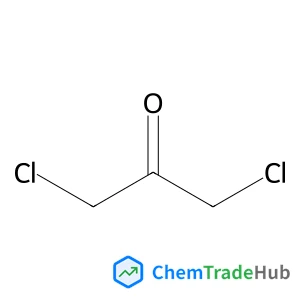
CAS Number
Related Products
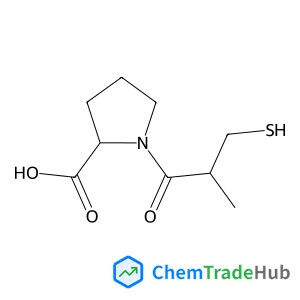
Captopril
CAS Number: 62571-86-2
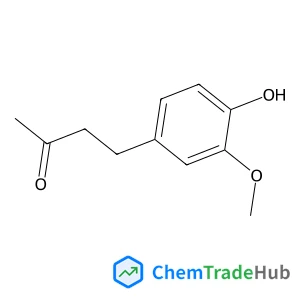
4-(4-Hydroxy-3-methoxyphenyl)-2-butanone
CAS Number: 122-48-5
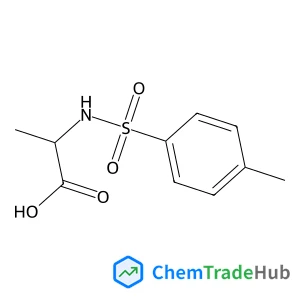
N-Tosyl-L-alanine
CAS Number: 21957-58-4
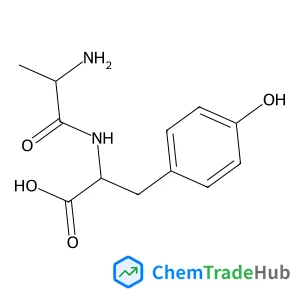
Alanyl-L-tyrosine
CAS Number: 3061-88-9
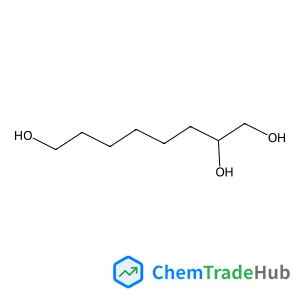
Octane-1,2,8-triol
CAS Number: 382631-43-8
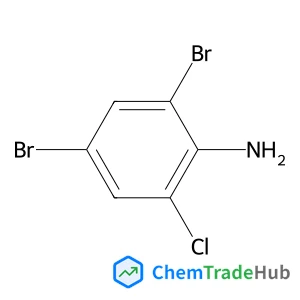
2,4-Dibromo-6-chloroaniline
CAS Number: 874-18-0
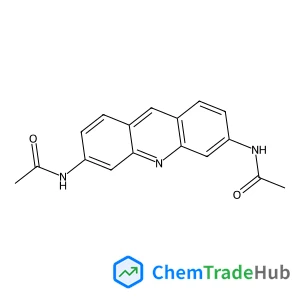
N,N'-3,6-Acridinediyldiacetamide
CAS Number: 15724-70-6
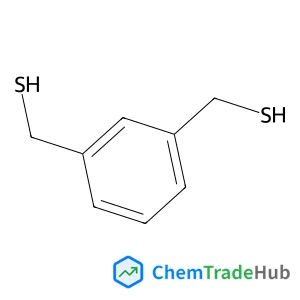
1,3-Phenylenedimethanethiol
CAS Number: 41563-69-3
Other Suppliers for 1,3-Dichloroacetone


Basic Information
Molecular Formula
C3H4Cl2O
Molecular Weight
126.97 g/mol
Physical Properties
Melting Point
40.0 to 44.0 deg-C
Boiling Point
173°C
Water Solubility
27.9 g/L (20 º C)
Chemical Identifiers
SMILES
C(C(=O)CCl)Cl
InChIKey
SUNMBRGCANLOEG-UHFFFAOYSA-N
Database References
MDL Number
MFCD00000937
Beilstein Registry Number
605456
FAQ
1,3-Dichloroacetone (CAS: 534-07-6) falls under the hazard classification of GHS as a category 1A respiratory sensitizer. It is subject to REACH regulations in the European Union, which require registration for substances above a certain tonnage threshold. Additionally, the FDA and EPA have specific labeling and handling requirements for this compound, including proper storage and disposal to prevent health and environmental hazards.
Several alternatives to 1,3-Dichloroacetone (CAS: 534-07-6) can be used in synthesis, including acetoacetone and 1,3-dichloroacetamide. These alternatives offer similar functional groups but with different reactivity profiles, which can be beneficial depending on the specific synthetic pathway and desired product characteristics.
Research and market trends for 1,3-Dichloroacetone (CAS: 534-07-6) are primarily focused on its use in organic synthesis and as a reagent in various chemical reactions. The compound is particularly valued for its ability to form chloroacetaldehyde derivatives, which are useful in the preparation of complex organic compounds. Market trends indicate increased interest in its applications in pharmaceutical and agricultural sectors, driven by the expanding research into new chemical entities and crop protection agents.
Waste containing 1,3-Dichloroacetone (CAS: 534-07-6) should be collected in appropriate, sealed containers and stored in a well-ventilated area away from incompatible materials. The waste should be treated by incineration or other professional waste disposal methods to prevent environmental contamination. Environmental protection measures include ensuring the waste does not come into contact with water sources and implementing proper disposal protocols to comply with local and international regulations.
Safety Notice
Please verify product specifications and safety data before use. Contact the supplier for detailed safety information.
Always follow proper handling procedures
Contact Information
Contact Person
Zhang Zeyuan
Sales-CN@TCIchemicals.com