



AD
Nonyl beta-D-glucopyranoside(CAS: 69984-73-2)
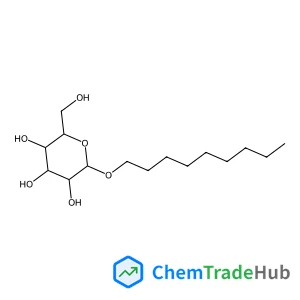
CAS Number
Related Products
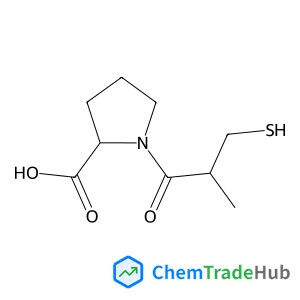
Captopril
CAS Number: 62571-86-2
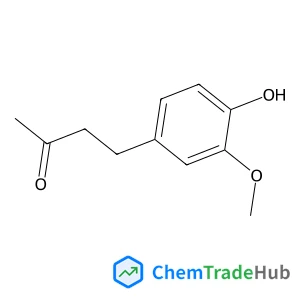
4-(4-Hydroxy-3-methoxyphenyl)-2-butanone
CAS Number: 122-48-5
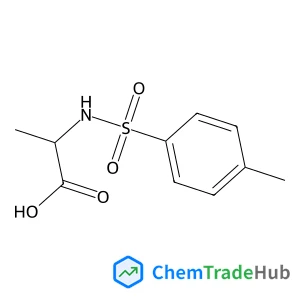
N-Tosyl-L-alanine
CAS Number: 21957-58-4
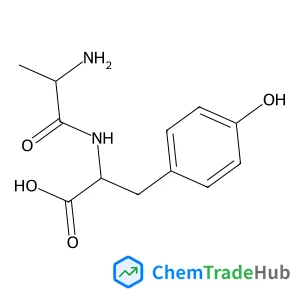
Alanyl-L-tyrosine
CAS Number: 3061-88-9
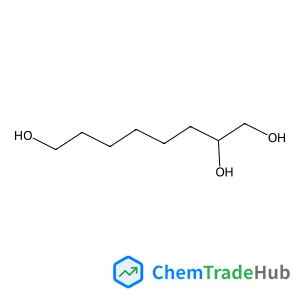
Octane-1,2,8-triol
CAS Number: 382631-43-8
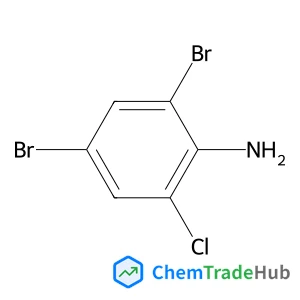
2,4-Dibromo-6-chloroaniline
CAS Number: 874-18-0
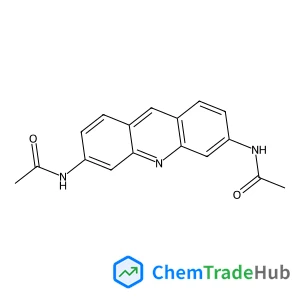
N,N'-3,6-Acridinediyldiacetamide
CAS Number: 15724-70-6
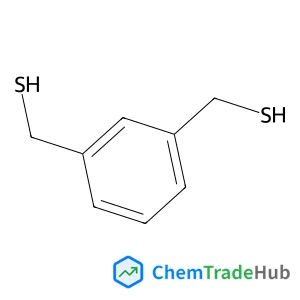
1,3-Phenylenedimethanethiol
CAS Number: 41563-69-3
Other Suppliers for Nonyl beta-D-glucopyranoside







Basic Information
Molecular Formula
C15H30O6
Molecular Weight
306.4 g/mol
Physical State
。
Physical Properties
Melting Point
70°C(lit.)
Boiling Point
465.3 °C at 760 mmHg
Density
1.1600
Flash Point
235.2 °C
Chemical Identifiers
SMILES
CCCCCCCCCOC1C(C(C(C(O1)CO)O)O)O
InChIKey
QFAPUKLCALRPLH-UXXRCYHCSA-N
Database References
MDL Number
MFCD00063300
FAQ
Nonyl beta-D-glucopyranoside (CAS: 69984-73-2) is classified under the Globally Harmonized System (GHS) as a skin irritant. According to REACH regulations in the EU, it requires a safety data sheet (SDS) and registration if used in quantities above 1 ton per producer or importer annually. In the USA, FDA and EPA have specific labeling and reporting requirements for chemicals used in cosmetics and industrial applications, respectively. Compliance with local and national laws is essential for handling and using this compound.
Nonyl beta-D-glucopyranoside (CAS: 69984-73-2) can be synthesized as an alternative to other surfactants like alkyl polyglucosides. Other common alternatives include nonyl phenol ethoxylates and other glucosides. However, due to environmental concerns, nonyl glucoside is favored for its biodegradability and lower toxicity, making it a more sustainable choice.
The market for nonyl beta-D-glucopyranoside (CAS: 69984-73-2) is growing due to its biodegradable and environmentally friendly properties. Research trends focus on its applications in personal care products, detergents, and food additives. Demand is increasing as consumers and industries shift towards more sustainable and biocompatible surfactants. Environmental studies are also exploring its degradation and impact on aquatic ecosystems.
Waste containing Nonyl beta-D-glucopyranoside (CAS: 69984-73-2) should be collected in appropriate containers and stored in a well-ventilated area. For safe disposal, it is recommended to incinerate residual waste under controlled conditions or use a professional waste disposal service. Environmental precautions include ensuring no hazardous runoff into water bodies. Always follow local regulations and guidelines for waste management and disposal.
Safety Notice
Please verify product specifications and safety data before use. Contact the supplier for detailed safety information.
Always follow proper handling procedures
Contact Information
Contact Person
Zhang Zeyuan
Sales-CN@TCIchemicals.com