



AD
1,1,1,3-Tetrachloropropane(CAS: 1070-78-6)
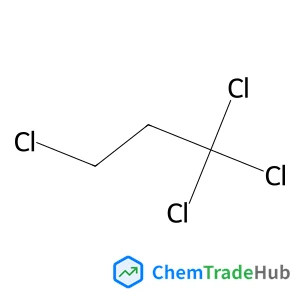
CAS Number
Related Products
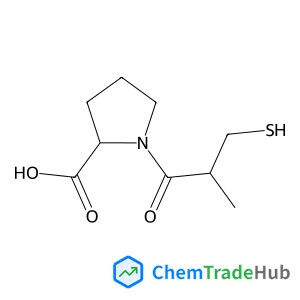
Captopril
CAS Number: 62571-86-2
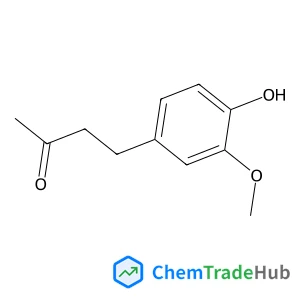
4-(4-Hydroxy-3-methoxyphenyl)-2-butanone
CAS Number: 122-48-5
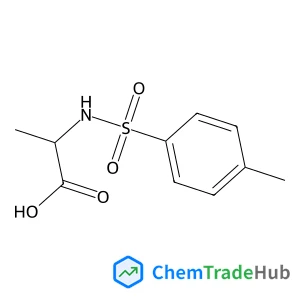
N-Tosyl-L-alanine
CAS Number: 21957-58-4
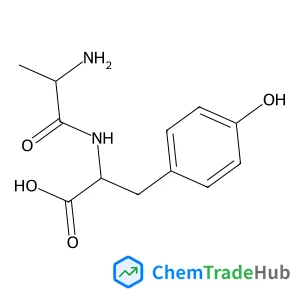
Alanyl-L-tyrosine
CAS Number: 3061-88-9
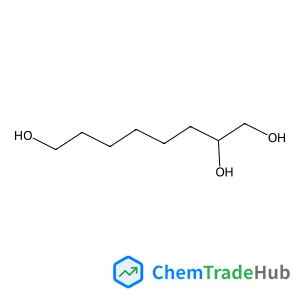
Octane-1,2,8-triol
CAS Number: 382631-43-8
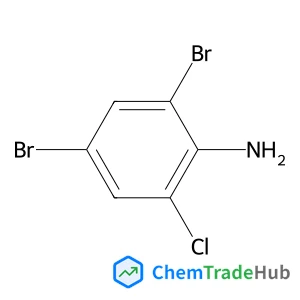
2,4-Dibromo-6-chloroaniline
CAS Number: 874-18-0
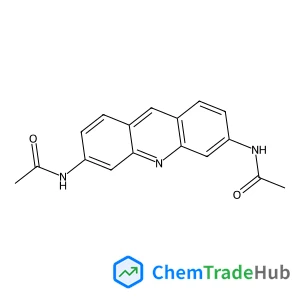
N,N'-3,6-Acridinediyldiacetamide
CAS Number: 15724-70-6
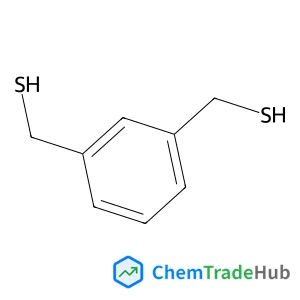
1,3-Phenylenedimethanethiol
CAS Number: 41563-69-3
Other Suppliers for 1,1,1,3-Tetrachloropropane






Basic Information
Molecular Formula
C3H4Cl4
Molecular Weight
181.88 g/mol
Physical Properties
Melting Point
-35°C(lit.)
Boiling Point
159°C(lit.)
Flash Point
51.4ºC
Chemical Identifiers
SMILES
C(CCl)C(Cl)(Cl)Cl
InChIKey
UTACNSITJSJFHA-UHFFFAOYSA-N
Database References
MDL Number
MFCD00054655
Beilstein Registry Number
1734994
FAQ
1,1,1,3-Tetrachloropropane (CAS: 1070-78-6) is regulated under the Globally Harmonized System of Classification and Labelling of Chemicals (GHS), which categorizes it as a toxic and flammable substance. It is also subject to the European Union’s Registration, Evaluation, Authorisation and Restriction of Chemicals (REACH) regulations, and the United States Environmental Protection Agency (EPA) and Food and Drug Administration (FDA) requirements for chemical safety and environmental protection.
Yes, there are alternatives to 1,1,1,3-Tetrachloropropane in synthesis, such as 1,1,1,2-Tetrachloroethane, 1,1,1-Trichloroethane, and 1,2-Dichloroethane. Other substitutes include using less toxic solvents like methylene chloride or ethylene glycol monomethyl ether in place of 1,1,1,3-Tetrachloropropane.
The market for 1,1,1,3-Tetrachloropropane (CAS: 1070-78-6) is declining due to its high toxicity and environmental concerns. Research trends are shifting towards developing safer and more sustainable alternatives, such as using biodegradable materials or exploring the use of less toxic solvents in various industrial processes.
Waste containing 1,1,1,3-Tetrachloropropane should be collected in a leak-proof container and stored in a well-ventilated area away from sources of ignition. It should be disposed of by incineration in an appropriately licensed facility or through professional waste disposal services that comply with local and national regulations. Proper environmental precautions include residual liquid collection, neutralization, and disposal under controlled conditions to prevent environmental contamination.
Safety Notice
Please verify product specifications and safety data before use. Contact the supplier for detailed safety information.
Always follow proper handling procedures
Contact Information
Contact Person
Zhang Zeyuan
Sales-CN@TCIchemicals.com