



AD
Ursonic Acid(CAS: 6246-46-4)
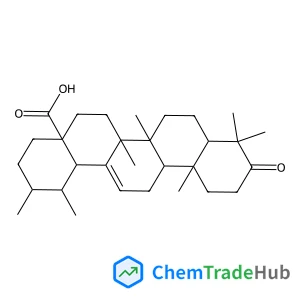
CAS Number
Related Products
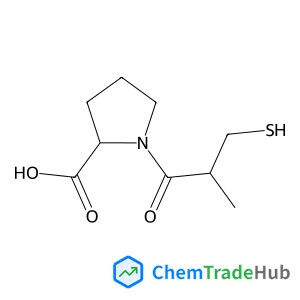
Captopril
CAS Number: 62571-86-2
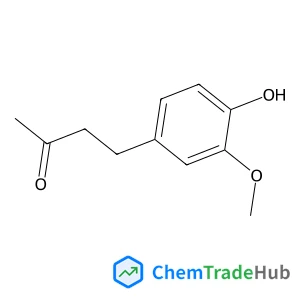
4-(4-Hydroxy-3-methoxyphenyl)-2-butanone
CAS Number: 122-48-5
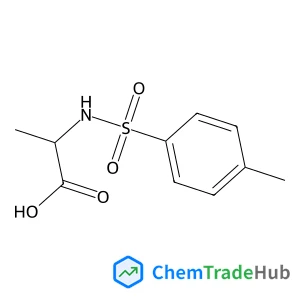
N-Tosyl-L-alanine
CAS Number: 21957-58-4
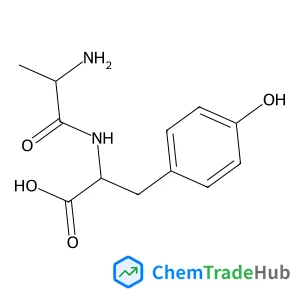
Alanyl-L-tyrosine
CAS Number: 3061-88-9
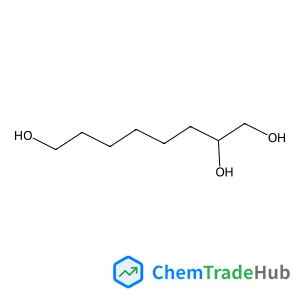
Octane-1,2,8-triol
CAS Number: 382631-43-8
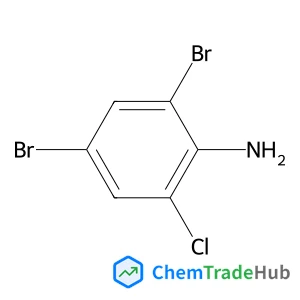
2,4-Dibromo-6-chloroaniline
CAS Number: 874-18-0
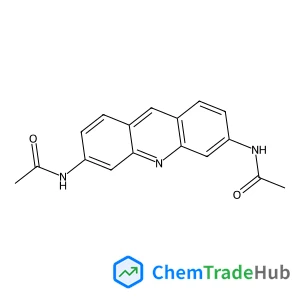
N,N'-3,6-Acridinediyldiacetamide
CAS Number: 15724-70-6
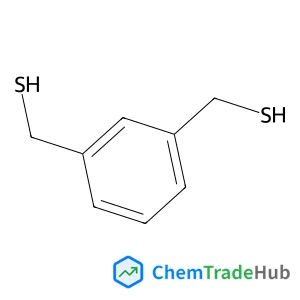
1,3-Phenylenedimethanethiol
CAS Number: 41563-69-3
Other Suppliers for Ursonic Acid





Basic Information
Molecular Formula
C30H46O3
Molecular Weight
454.7 g/mol
Physical State
Powder
Physical Properties
Boiling Point
555.078℃/760mmHg
Chemical Identifiers
SMILES
CC1CCC2(CCC3(C(=CCC4C3(CCC5C4(CCC(=O)C5(C)C)C)C)C2C1C)C)C(=O)O
InChIKey
MUCRYNWJQNHDJH-OADIDDRXSA-N
Database References
MDL Number
MFCD09752413
FAQ
Ursonic Acid (CAS: 6246-46-4) falls under the purview of regulations such as the Globally Harmonized System (GHS), REACH in the EU, and the Toxic Substances Control Act (TSCA) in the USA. It is classified as a skin and eye irritant under GHS. Companies handling Ursonic Acid must ensure compliance with these regulations, including proper labeling, storage, and reporting of safety data sheets (SDS).
While Ursonic Acid (CAS: 6246-46-4) is a common reagent, alternatives such as acetic anhydride or other carboxylic acid anhydrides can be used in certain syntheses. These alternatives may have different chemical properties, reactivity profiles, and safety considerations, so careful evaluation is necessary to determine the most suitable option for a specific application.
Ursonic Acid (CAS: 6246-46-4) continues to be a significant reagent in organic synthesis, particularly in the production of carboxylic acids and their derivatives. Research trends are shifting towards more sustainable and environmentally friendly alternatives, but Ursonic Acid remains a key player. Market trends show steady demand, with price stability and consistent supply, reflecting its essential role in various industries.
Waste containing Ursonic Acid (CAS: 6246-46-4) should be collected in appropriate containers and disposed of according to local hazardous waste regulations. Incineration is a common method, but professional waste disposal services are recommended to ensure safe and compliant handling. Proper protective equipment and procedures must be followed to prevent environmental contamination and ensure worker safety.
Safety Notice
Please verify product specifications and safety data before use. Contact the supplier for detailed safety information.
Always follow proper handling procedures
Contact Information
Contact Person
Zhang Zeyuan
Sales-CN@TCIchemicals.com