



AD
3-(Trimethylsilyl)-2-propynal(CAS: 2975-46-4)
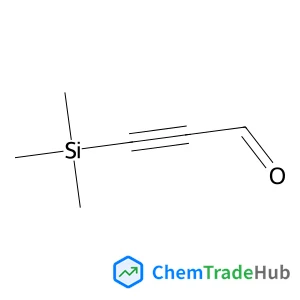
CAS Number
Related Products
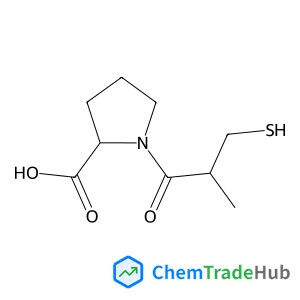
Captopril
CAS Number: 62571-86-2
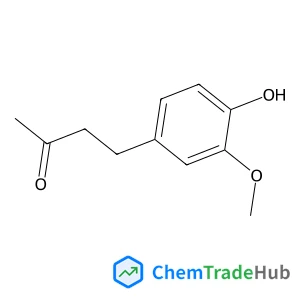
4-(4-Hydroxy-3-methoxyphenyl)-2-butanone
CAS Number: 122-48-5
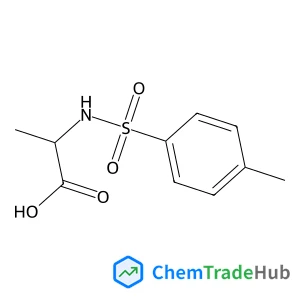
N-Tosyl-L-alanine
CAS Number: 21957-58-4
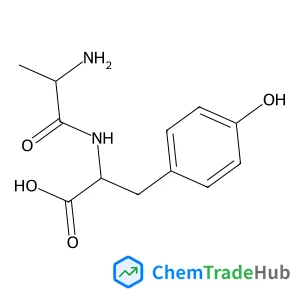
Alanyl-L-tyrosine
CAS Number: 3061-88-9
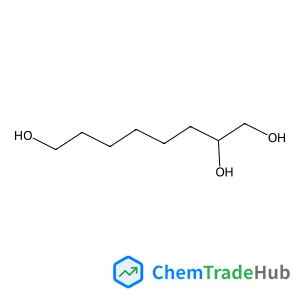
Octane-1,2,8-triol
CAS Number: 382631-43-8
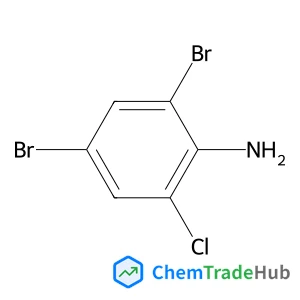
2,4-Dibromo-6-chloroaniline
CAS Number: 874-18-0
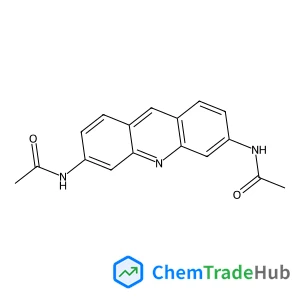
N,N'-3,6-Acridinediyldiacetamide
CAS Number: 15724-70-6
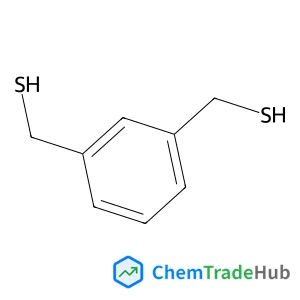
1,3-Phenylenedimethanethiol
CAS Number: 41563-69-3
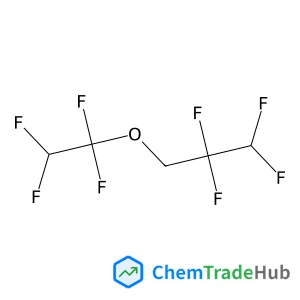
Other Suppliers for 3-(Trimethylsilyl)-2-propynal




Basic Information
Molecular Formula
C6H10OSi
Molecular Weight
88.23 g/mol
Physical Properties
Boiling Point
45°C/20mmHg(lit.)
Chemical Identifiers
SMILES
C[Si](C)(C)C#CC=O
InChIKey
LJRWLSKYGWLYIM-UHFFFAOYSA-N
Database References
MDL Number
MFCD01103709
Beilstein Registry Number
1922183
FAQ
3-(Trimethylsilyl)-2-propynal (CAS: 2975-46-4) falls under the classification of organic compounds and is subject to various regulatory guidelines. Under the Globally Harmonized System of Classification and Labelling of Chemicals (GHS), it may be classified as a combustible liquid. In the European Union, it is regulated under the REACH (Registration, Evaluation, Authorisation and Restriction of Chemicals) regulation. Additionally, the U.S. FDA and EPA may have specific requirements for the use and disposal of this compound. Always consult the latest regulatory guidelines to ensure compliance.
While 3-(Trimethylsilyl)-2-propynal (CAS: 2975-46-4) is a useful compound in synthesis, there are alternatives such as propargyl alcohol or 2-butyne. These can serve as more readily available substitutes depending on the specific requirements of the synthesis. The choice of alternative depends on the desired end product and reaction conditions.
The market for 3-(Trimethylsilyl)-2-propynal (CAS: 2975-46-4) is driven by its use in organic synthesis and as a reagent in chemical reactions. Research trends are towards the development of more efficient and environmentally friendly synthetic routes. The compound is also of interest in the field of organometallic chemistry, where it can be used as a ligand in coordination chemistry. Market trends indicate growing demand in academia and industry for high-purity and specialized chemical reagents.
Waste containing 3-(Trimethylsilyl)-2-propynal (CAS: 2975-46-4) should be collected and stored in appropriate, sealed containers to prevent spillage and contamination. Incineration is a common method for disposal, but ensure compliance with local regulations. Professional waste disposal services may be necessary for large quantities or if the waste is contaminated. Always follow safety precautions and environmental protection guidelines to handle and dispose of this compound safely.
Safety Notice
Please verify product specifications and safety data before use. Contact the supplier for detailed safety information.
Always follow proper handling procedures
Contact Information
Contact Person
Zhang Zeyuan
Sales-CN@TCIchemicals.com