



AD
Dibutyl carbonate(CAS: 542-52-9)
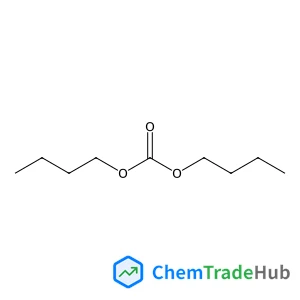
CAS Number
Related Products
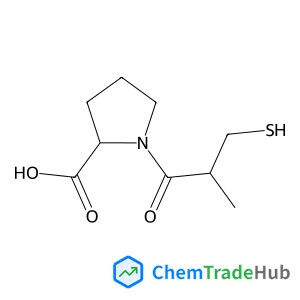
Captopril
CAS Number: 62571-86-2
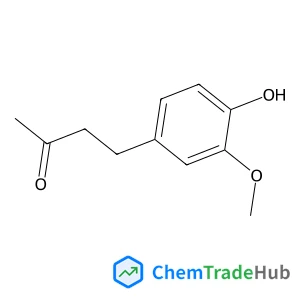
4-(4-Hydroxy-3-methoxyphenyl)-2-butanone
CAS Number: 122-48-5
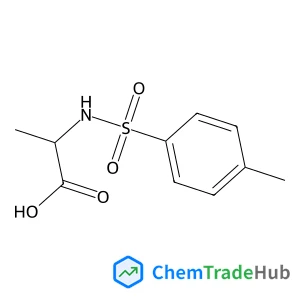
N-Tosyl-L-alanine
CAS Number: 21957-58-4
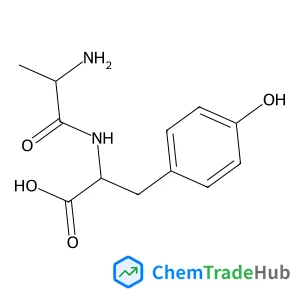
Alanyl-L-tyrosine
CAS Number: 3061-88-9
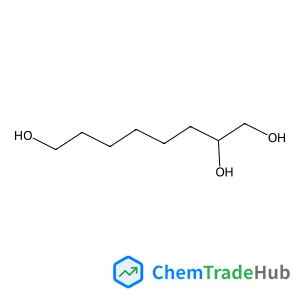
Octane-1,2,8-triol
CAS Number: 382631-43-8
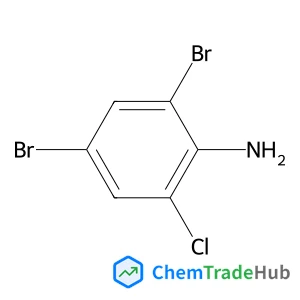
2,4-Dibromo-6-chloroaniline
CAS Number: 874-18-0
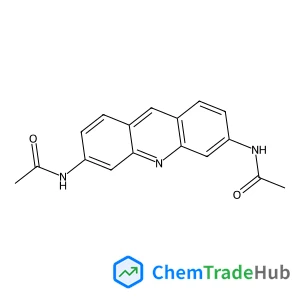
N,N'-3,6-Acridinediyldiacetamide
CAS Number: 15724-70-6
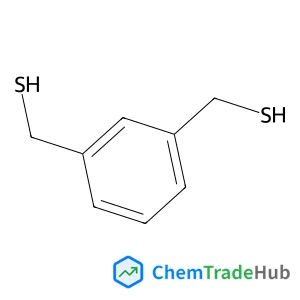
1,3-Phenylenedimethanethiol
CAS Number: 41563-69-3
Other Suppliers for Dibutyl carbonate








Basic Information
Molecular Formula
C9H18O3
Molecular Weight
174.24 g/mol
Physical Properties
Boiling Point
207°C(lit.)
Chemical Identifiers
SMILES
CCCCOC(=O)OCCCC
InChIKey
QLVWOKQMDLQXNN-UHFFFAOYSA-N
Database References
MDL Number
MFCD00043938
FAQ
Dibutyl carbonate (CAS: 542-52-9) must comply with the Globally Harmonized System of Classification and Labelling of Chemicals (GHS) for classification and labeling. In the European Union, it falls under REACH regulations, requiring registration and safety data sheets. In the USA, it is regulated by the EPA under the Toxic Substances Control Act (TSCA) and must meet FDA guidelines for any food contact applications.
Several alternatives to dibutyl carbonate (CAS: 542-52-9) include ethyl carbonate and propyl carbonate, which can serve similar functions in some reactions. Other substitutes like phosphoric acid esters and cyclic carbonates are also explored, depending on the specific application and requirements.
The market for dibutyl carbonate (CAS: 542-52-9) has been growing due to its use in plasticizers and solvents. Research trends are focusing on its potential in green chemistry applications, as well as exploring biodegradable alternatives. Market trends indicate increasing demand in the polymer industry, with research highlighting its role in sustainable chemical processes.
Waste containing dibutyl carbonate (CAS: 542-52-9) should be collected in appropriate containers and disposed of through professional waste disposal services. Incineration is a common method, but proper temperature control is necessary to prevent explosions. Environmental precautions include preventing spills and ensuring that waste is not released into the environment without proper treatment. Always follow local and international regulations for hazardous waste disposal.
Safety Notice
Please verify product specifications and safety data before use. Contact the supplier for detailed safety information.
Always follow proper handling procedures
Contact Information
Contact Person
Zhang Zeyuan
Sales-CN@TCIchemicals.com