



AD
2-(Difluoromethoxy)benzoic acid(CAS: 97914-59-5)
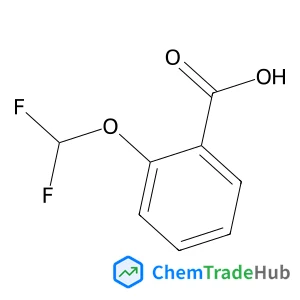
CAS Number
Related Products
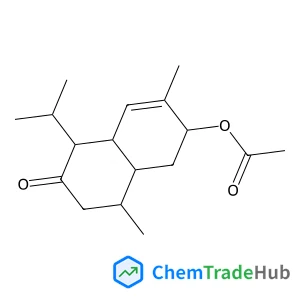
3-Acetoxy-4-cadinen-8-one
CAS Number: 923950-05-4
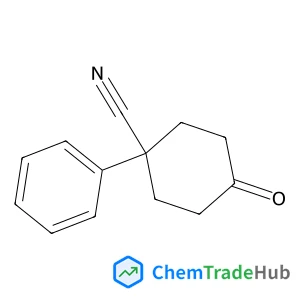
4-Oxo-1-phenylcyclohexanecarbonitrile
CAS Number: 25115-74-6
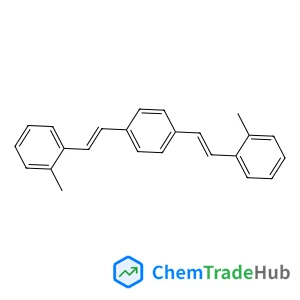
Valiolamine
CAS Number: 83456-22-9
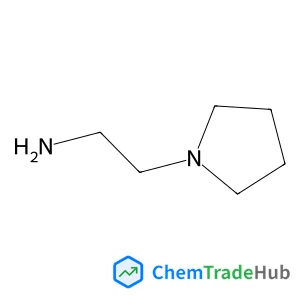
2-(1-Pyrrolidinyl)ethanamine
CAS Number: 7154-73-6
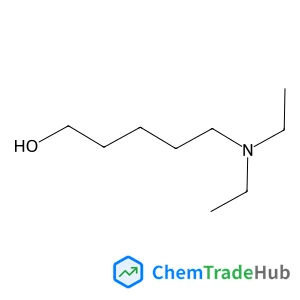
5-(Diethylamino)-1-pentanol
CAS Number: 2683-57-0
![2-Methyl-2-propanyl 4-{[2-(2-aminophenyl)ethyl]amino}-1-piperidinecarboxylate](https://static.chemtradehub.com/structs/783/783368-12-7-e061.webp)
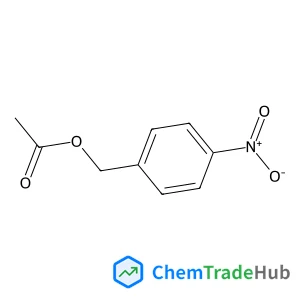
Benzenemethanol, 4-nitro-, 1-acetate
CAS Number: 619-90-9
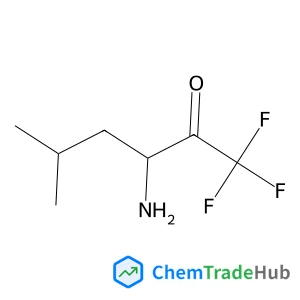
Other Suppliers for 2-(Difluoromethoxy)benzoic acid




Basic Information
Molecular Formula
C8H6F2O3
Molecular Weight
188.13 g/mol
Physical Properties
Melting Point
98-100°C
Boiling Point
274 ºC
Density
1.370
Flash Point
119 ºC
Chemical Identifiers
SMILES
C1=CC=C(C(=C1)C(=O)O)OC(F)F
InChIKey
AGDOJFCUKQMLHD-UHFFFAOYSA-N
Database References
MDL Number
MFCD00236223
FAQ
2-(Difluoromethoxy)benzoic acid (CAS: 97914-59-5) falls under the scope of various regulatory guidelines. It is classified according to the Globally Harmonized System of Classification and Labelling of Chemicals (GHS) as a skin and eye irritant. In the European Union, it is regulated under REACH (Registration, Evaluation, Authorization and Restriction of Chemicals) and may require notification if used in quantities above certain thresholds. Additionally, the U.S. EPA may regulate it under the Toxic Substances Control Act (TSCA) and the FDA may have requirements related to its use in pharmaceuticals.
There are several alternatives to 2-(Difluoromethoxy)benzoic acid (CAS: 97914-59-5) in synthesis, depending on the specific application. Common substitutes include 2-(trifluoromethoxy)benzoic acid and 2-(methoxy)benzoic acid. These alternatives offer similar chemical functionalities but with different substituents, allowing for tailored synthesis approaches based on desired properties and reactivity.
The market for 2-(Difluoromethoxy)benzoic acid (CAS: 97914-59-5) is growing due to its use in pharmaceuticals and as a precursor in organic synthesis. Research trends are focusing on its application in drug discovery, particularly in the development of anticancer and antiviral agents. Additionally, its use in environmental remediation and as a fine chemical is also gaining interest, driven by the increasing demand for fluorinated compounds with specific biological activities.
Waste containing 2-(Difluoromethoxy)benzoic acid (CAS: 97914-59-5) should be collected and disposed of in accordance with local regulations. It is typically classified as a hazardous waste due to its potential toxicity. Proper handling includes neutralizing any acidic or basic components, and then safely incinerating or using a professional waste disposal service. Environmental precautions should be taken to prevent contamination of soil and water, and appropriate personal protective equipment (PPE) should be worn during handling and disposal.
Safety Notice
Please verify product specifications and safety data before use. Contact the supplier for detailed safety information.
Always follow proper handling procedures

Contact Information
hepeng20160718@foxmail.com
Mobile
13122891558
Telephone
186-16545970
Visit Website
https://www.hepengbio.com/