



AD
1-(Trifluoromethyl)cyclopropanecarboxylic acid(CAS: 277756-46-4)
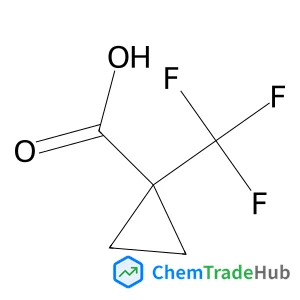
CAS Number
Related Products
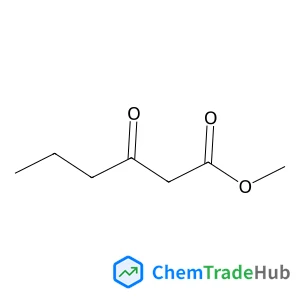
Atorvastatin Impurity 103
CAS Number: 30414-54-1
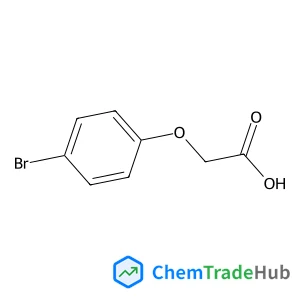
(4-Bromophenoxy)acetic acid
CAS Number: 1878-91-7
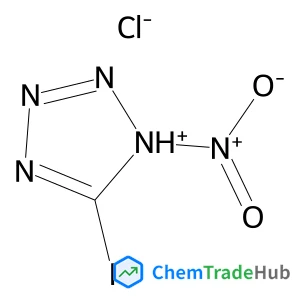
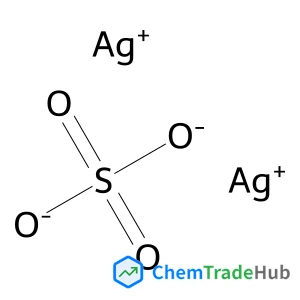
Silver Sulfate
CAS Number: 10294-26-5
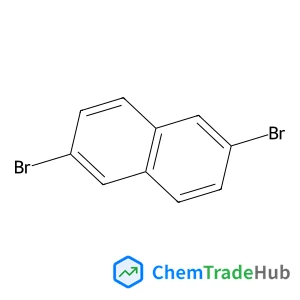
2,6-Dibromonaphthalene
CAS Number: 13720-06-4
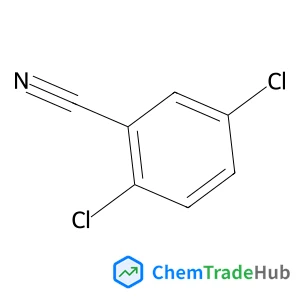
2,5-Dichlorobenzonitrile
CAS Number: 21663-61-6
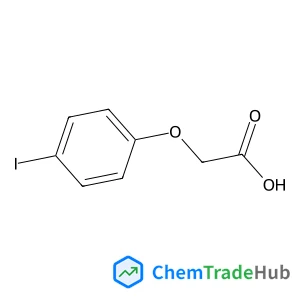
(4-Iodophenoxy)acetic acid
CAS Number: 1878-94-0
![1-[2-(1-Azocanyl)ethyl]guanidine sulfate (1:1)](https://static.chemtradehub.com/structs/645/645-43-2-650e.webp)
Other Suppliers for 1-(Trifluoromethyl)cyclopropanecarboxylic acid


Basic Information
Molecular Formula
C5H5F3O2
Molecular Weight
154.09 g/mol
Physical State
White to Yellow Solid
Physical Properties
Melting Point
86.0 to 90.0 deg-C
Boiling Point
184°C(lit.)
Flash Point
182-184°C
Chemical Identifiers
SMILES
C1CC1(C(=O)O)C(F)(F)F
InChIKey
SKCBKBCACWDALV-UHFFFAOYSA-N
Database References
MDL Number
MFCD03093070
Beilstein Registry Number
8543283
FAQ
1-(Trifluoromethyl)cyclopropanecarboxylic acid has a crystalline form and a molecular weight of approximately 203.11 g/mol. It is poorly water-soluble but soluble in organic solvents like ethanol and acetone. It shows moderate reactivity, particularly in nucleophilic substitution reactions. Its chemical properties include resistance to hydrolysis and stability under normal conditions.
1-(Trifluoromethyl)cyclopropanecarboxylic acid is often synthesized via the Wittig reaction, where trifluoromethyl ketone is reacted with a phosphonium ylide. The reaction typically yields a high selectivity for the desired product with good yield. Other methods include direct trifluoromethylation of cyclopropanecarboxylic acid derivatives.
1-(Trifluoromethyl)cyclopropanecarboxylic acid finds applications in the pharmaceutical industry for the synthesis of drug intermediates, in polymer science for specific polymer modification, and in the electronics industry for the production of sensitive semiconductor materials. It is also used in the development of sensors and other specialized chemical products.
When handling 1-(Trifluoromethyl)cyclopropanecarboxylic acid, it is essential to use personal protective equipment (PPE) such as gloves, goggles, and a lab coat. Work in a well-ventilated area or a fume hood to minimize exposure. Spills should be handled with caution using appropriate absorbents, and the area should be thoroughly cleaned. Always refer to the Safety Data Sheet (SDS) for detailed handling and disposal information.
Safety Notice
Please verify product specifications and safety data before use. Contact the supplier for detailed safety information.
Always follow proper handling procedures
Contact Information
2189484023@qq.com