



AD
Cyclohexyl(phenyl)methanone(CAS: 712-50-5)
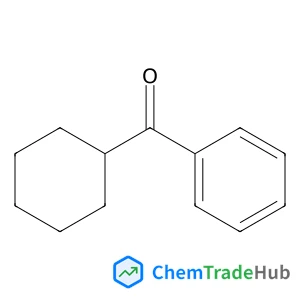
CAS Number
Related Products
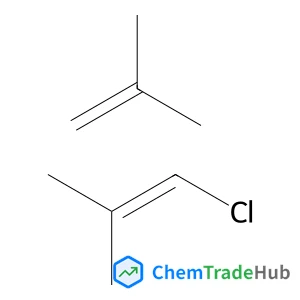
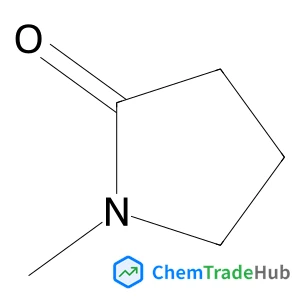
1-Methyl-2-pyrrolidinone
CAS Number: 872-50-4
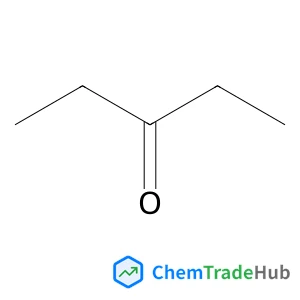
3-Pentanone
CAS Number: 96-22-0
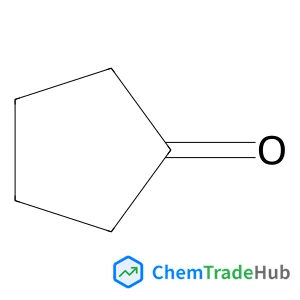
Cyclopentanone
CAS Number: 120-92-3
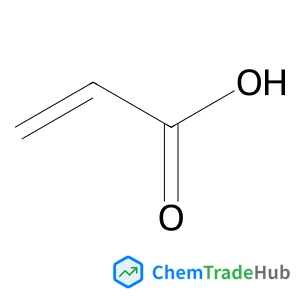
Carbomer 940
CAS Number: 76050-42-5
Other Suppliers for Cyclohexyl(phenyl)methanone





Basic Information
Molecular Formula
C13H16O
Molecular Weight
188.27 g/mol
Physical Properties
Melting Point
55.0 to 59.0 deg-C
Boiling Point
168°C/20mmHg(lit.)
Density
0.9671 (rough estimate)
Chemical Identifiers
SMILES
C1CCC(CC1)C(=O)C2=CC=CC=C2
InChIKey
BMFYCFSWWDXEPB-UHFFFAOYSA-N
Database References
MDL Number
MFCD00001467
Beilstein Registry Number
2046712
FAQ
Cyclohexyl(phenyl)methanone (CAS: 712-50-5) is regulated under the Globally Harmonized System of Classification and Labeling of Chemicals (GHS), which classifies it as a flammable liquid. In the European Union, it is also subject to the REACH regulations, which require manufacturers and importers to register substances with the European Chemicals Agency (ECHA). Additionally, the FDA and EPA may have specific requirements for the handling and use of this compound in the United States, particularly in commercial and industrial settings.
Cyclohexyl(phenyl)methanone (CAS: 712-50-5) can be synthesized with alternatives such as benzaldehyde or acetophenone, which are isomers and can serve similar roles in certain reactions. Other common alternatives include benzyl methyl ketone and cyclohexanone, which may offer similar functional groups and properties for synthetic purposes.
The market for Cyclohexyl(phenyl)methanone (CAS: 712-50-5) is growing due to its use in pharmaceuticals, agrochemicals, and aroma compounds. Research trends are focusing on its role in developing new drugs and pesticides, as well as in the production of fragrances and flavorings. Recent studies have also explored its potential in polymer synthesis and as a solvent in various chemical processes.
Waste containing Cyclohexyl(phenyl)methanone (CAS: 712-50-5) should be collected in suitable containers, ensuring minimal spillage and proper labeling. The waste should be neutralized before disposal to prevent environmental contamination. Incineration is a common method for waste disposal, provided it meets the environmental and safety requirements. Professional waste disposal services are recommended to ensure compliance with local regulations and environmental protection standards.
Safety Notice
Please verify product specifications and safety data before use. Contact the supplier for detailed safety information.
Always follow proper handling procedures