



AD
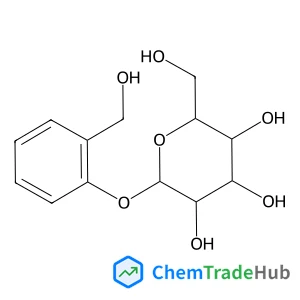
Extract of willow(CAS: 84082-82-6)
CAS Number
Related Products
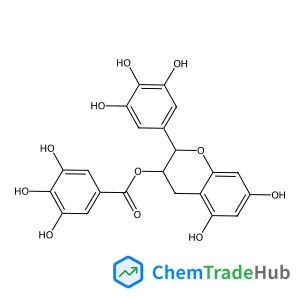
Honeysuckleflowerp.e.
CAS Number: 84603-62-3
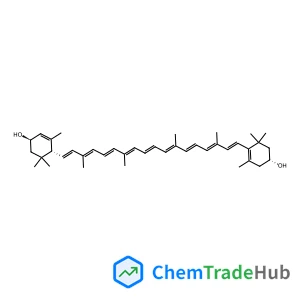
Xanthophyll (Lutein)
CAS Number: 127-40-2
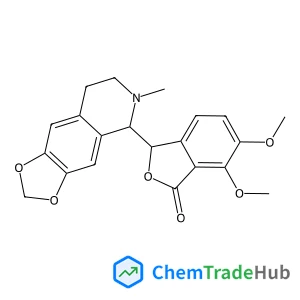
Hydrastine
CAS Number: 118-08-1
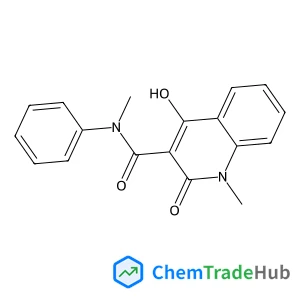
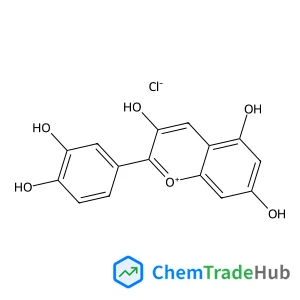
Hypericumperforatumextracts
CAS Number: 84082-80-4
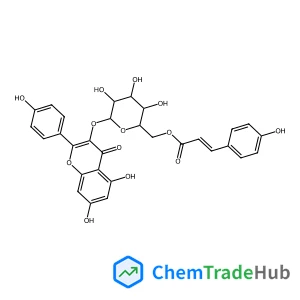
Tribuloside
CAS Number: 22153-44-2
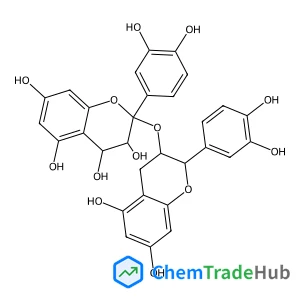
Procyanidin
CAS Number: 4852-22-6
Other Suppliers for Extract of willow
Basic Information
Molecular Formula
C13H18O7
Molecular Weight
286.28 g/mol
Physical Properties
Melting Point
197℃~200℃
Chemical Identifiers
SMILES
C1(OC2C(O[H])C(O[H])C(O[H])C(CO[H])O2)C(CO[H])=CC=CC=1
InChIKey
NGFMICBWJRZIBI-UHFFFAOYSA-N
FAQ
Extract of willow has a crystalline form with a molecular weight of approximately 180.16 g/mol. It is slightly soluble in water and ethanol. Chemically, it is reactive towards acids and bases. It decomposes above 120°C. The extract is commonly used in pharmaceuticals and has a characteristic bitter taste.
Extract of willow is typically synthesized through the hydrolysis of salicin, a naturally occurring compound found in the bark of willow trees. The process involves treating salicin with an alkaline solution in the presence of a catalyst such as sodium hydroxide to produce salicylic acid. Further processing yields the final extract.
Extract of willow is widely used in the pharmaceutical industry for the production of pain relievers and anti-inflammatory drugs. It is also utilized in the food industry as a flavoring agent and in the cosmetics industry for its skin-soothing properties.
When handling Extract of willow, wear appropriate personal protective equipment (PPE) such as gloves, goggles, and a lab coat. Store it in a cool, dry place away from heat and direct sunlight. Use a fume hood when preparing solutions. In case of spill, neutralize with an acid or base as per the Material Safety Data Sheet (MSDS/SDS) and dispose of according to local regulations.
Safety Notice
Please verify product specifications and safety data before use. Contact the supplier for detailed safety information.
Always follow proper handling procedures