



AD
4-Biphenylcarbonitrile(CAS: 2920-38-9)
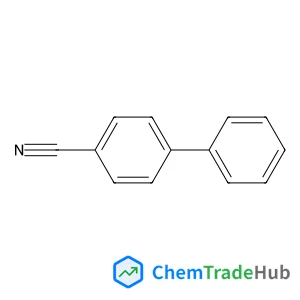
CAS Number
Related Products

2-Pyridinecarboxylic acid
CAS Number: 98-98-6
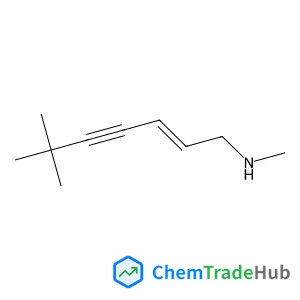
1-Chloro-6,6-dimethyl-2-hepten-4-yne
CAS Number: 83554-69-2

2-Amino-5-nitrobenzoic acid
CAS Number: 616-79-5
![1H-Pyrrolo[2,3-b]pyridine](https://static.chemtradehub.com/structs/271/271-63-6-3844.webp)
1H-Pyrrolo[2,3-b]pyridine
CAS Number: 271-63-6

3,5-Dimethylbenzoic acid
CAS Number: 499-06-9

1-Bromo-3-iodobenzene
CAS Number: 591-18-4

2-chloro-5-iodobenzoic acid
CAS Number: 19094-56-5

5-Hydroxy-2-pentanone
CAS Number: 1071-73-4
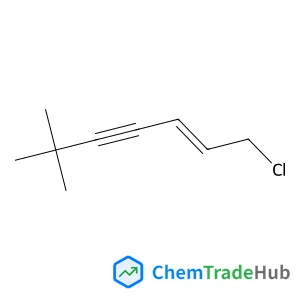
1-Chloro-6,6-dimethyl-2-hepten-4-yne
CAS Number: 287471-30-1
Other Suppliers for 4-Biphenylcarbonitrile



Basic Information
Molecular Formula
C13H9N
Molecular Weight
17.03 g/mol
Physical Properties
Melting Point
85.0 to 88.0 deg-C
Boiling Point
193°C/20mmHg(lit.)
Flash Point
>110°(230°F)
Chemical Identifiers
SMILES
C1=CC=C(C=C1)C2=CC=C(C=C2)C#N
InChIKey
BPMBNLJJRKCCRT-UHFFFAOYSA-N
Database References
MDL Number
MFCD00001821
Beilstein Registry Number
1907924
FAQ
4-Biphenylcarbonitrile is an organic compound with the chemical formula C13H10N. It features a biphenyl ring system connected to a nitrile group (-CN) at the 4-position, making it an aromatic nitrile. This compound is typically a colorless solid with a high melting point and low solubility in water, but it dissolves in organic solvents. It is widely used in chemical research and industrial applications due to its structural versatility and reactivity.
4-Biphenylcarbonitrile serves as a key intermediate in pharmaceuticals, such as drug synthesis and agrochemical development. It is also utilized in materials science for creating polymers and dyes, and in research for organic compound derivatization. Its applications span across chemical manufacturing, functional material development, and as a building block for complex molecules in academic and industrial settings.
4-Biphenylcarbonitrile is generally considered safe when handled properly, but it may cause skin or eye irritation. Safety data indicates it has low acute toxicity, though prolonged exposure should be avoided. Protective measures such as gloves, safety goggles, and adequate ventilation are recommended. It is not classified as carcinogenic, but adherence to OSHA and EPA guidelines ensures safe usage in laboratories and industrial environments.
4-Biphenylcarbonitrile should be stored in a cool, dry place (below 25°C), away from light and moisture. Keep in airtight, sealed containers made of glass or polyethylene to prevent contamination. Ensure proper ventilation to avoid inhalation risks. Under standard conditions, it remains stable, but exposure to humidity or light may degrade its quality. Always store in a well-ventilated area and follow chemical storage best practices.
Safety Notice
Please verify product specifications and safety data before use. Contact the supplier for detailed safety information.
Always follow proper handling procedures