



AD
(2E)-3-Cyclopropylacrylic acid(CAS: 60129-33-1)
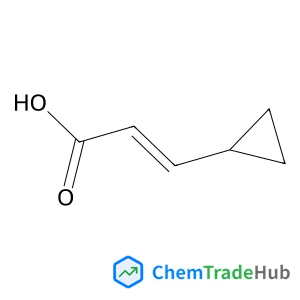
CAS Number
Related Products
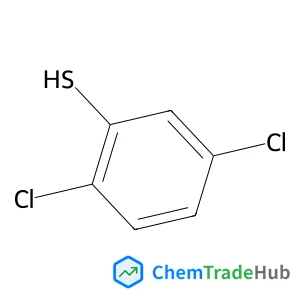
2,5-Dichlorobenzenethiol
CAS Number: 5858-18-4
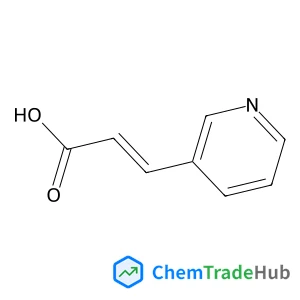
(2E)-3-(3-Pyridinyl)acrylic acid
CAS Number: 19337-97-4
![5-Hydroxy-1H,3H-benzo[de]isochromene-1,3-dione](https://static.chemtradehub.com/structs/232/23204-36-6-7359.webp)
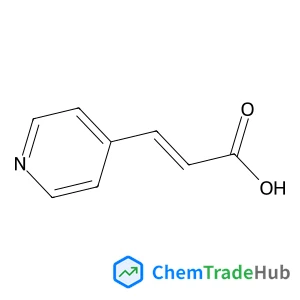
3-(4-pyridyl)prop-2-enoic acid
CAS Number: 5337-79-1
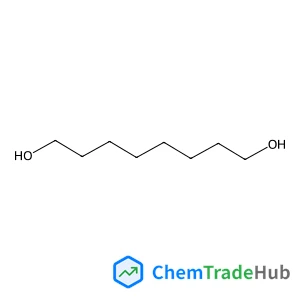
1,8-Octanediol
CAS Number: 629-41-4
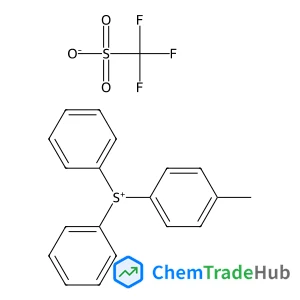
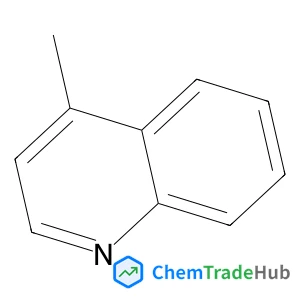
4-Methylquinoline
CAS Number: 491-35-0
![Diphenylmethyl (2S,3R,5R)-3-(chloromethyl)-3-methyl-7-oxo-4-thia-1-azabicyclo[3.2.0]heptane-2-carboxylate](https://static.chemtradehub.com/structs/855/85573-73-5-49e4.webp)
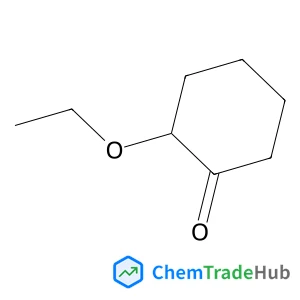
2-Ethoxycyclohexanone
CAS Number: 33371-97-0
Other Suppliers for (2E)-3-Cyclopropylacrylic acid



Basic Information
Molecular Formula
C6H8O2
Molecular Weight
112.13 g/mol
Chemical Identifiers
SMILES
OC(=O)/C=C/C1CC1
InChIKey
OTZXZTJDUFZCNC-ONEGZZNKSA-N
Database References
MDL Number
MFCD03002773
FAQ
Regulatory guidelines for (2E)-3-Cyclopropylacrylic acid (CAS: 60129-33-1) include GHS classification, which categorizes it as a hazardous material due to its reactivity. REACH regulations require manufacturers and importers to register substances above a certain tonnage and provide safety data sheets. Additionally, FDA and EPA have specific requirements for its use and handling in the United States, focusing on environmental release prevention and worker safety.
While (2E)-3-Cyclopropylacrylic acid (CAS: 60129-33-1) is a valuable intermediate in organic synthesis, alternatives such as 2-methylacrylic acid and cyclopropylacrylonitrile can be used. Isomers like (Z)-3-cyclopropylacrylic acid are also considered. Common alternative reagents include acrylic acid derivatives and cyclopropyl-containing compounds, providing flexibility in synthetic approaches.
The market for (2E)-3-Cyclopropylacrylic acid (CAS: 60129-33-1) shows steady growth, driven by its use as an intermediate in the synthesis of pharmaceuticals and agrochemicals. Research trends focus on developing more efficient synthesis methods and exploring its applications in new areas such as polymer science and materials chemistry. Recent studies also highlight its potential in biodegradable plastics and functional coatings.
Waste containing (2E)-3-Cyclopropylacrylic acid (CAS: 60129-33-1) should be collected in appropriate containers and stored in a secure, well-ventilated area. Incineration is a common disposal method, but professional waste disposal services should be utilized to ensure compliance with environmental regulations. Precautions include proper personal protective equipment (PPE) and the use of neutralizing agents to minimize environmental impact during disposal. Strict adherence to local waste management regulations is essential.
Safety Notice
Please verify product specifications and safety data before use. Contact the supplier for detailed safety information.
Always follow proper handling procedures
Contact Information
Contact Person
Mark Meng
info@youjiapharm.com
Mobile
15253669358
Visit Website
https://www.youjiapharm.com/Address
Weifang City Shandong Province China