



AD
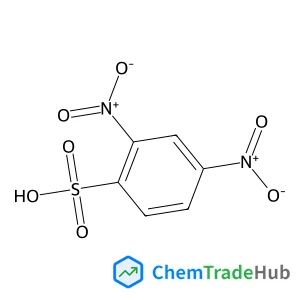
2,4-Dinitrobenzenesulfonic acid(CAS: 89-02-1)
CAS Number
Related Products
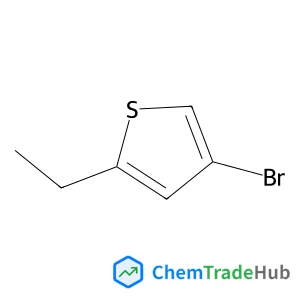
4-Bromo-2-ethylthiophene
CAS Number: 83663-40-5
![7-Methyl-1,4-dioxaspiro[4.5]decan-8-one](https://static.chemtradehub.com/structs/702/702-69-2-e102.webp)
7-Methyl-1,4-dioxaspiro[4.5]decan-8-one
CAS Number: 702-69-2
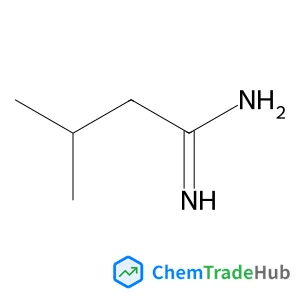
(1E)-3-Methylbutanimidamide
CAS Number: 67777-12-2
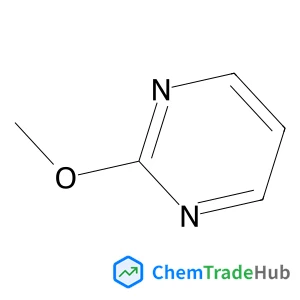
2-Methoxypyrimidine
CAS Number: 931-63-5
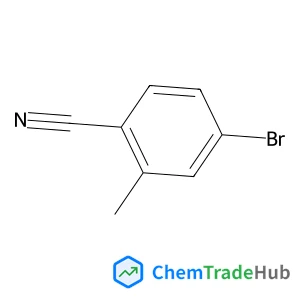
4-Bromo-2-methylbenzonitrile
CAS Number: 67832-11-5
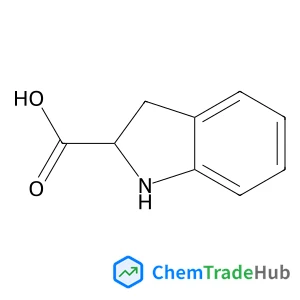
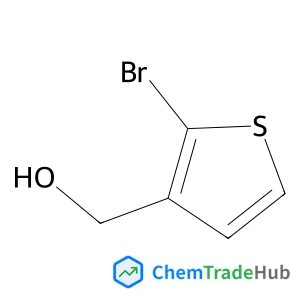
(2-Bromo-3-thienyl)methanol
CAS Number: 70260-16-1
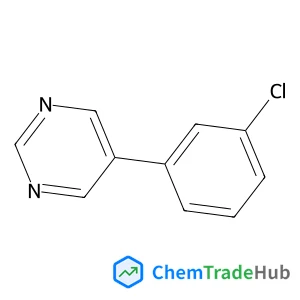
5-(3-Chlorophenyl)pyrimidine
CAS Number: 74963-05-6
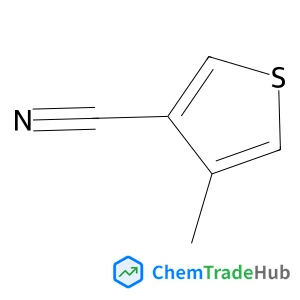
4-Methyl-3-thiophenecarbonitrile
CAS Number: 73229-39-7
Other Suppliers for 2,4-Dinitrobenzenesulfonic acid




Basic Information
Molecular Formula
C6H4N2O7S
Molecular Weight
248.17 g/mol
Physical Properties
Melting Point
265 ºC (ethanol )
Density
1.826±0.06 g/cm3 (20 ºC 760 Torr),
Water Solubility
Soluble in methanol (2.5% w/v), slightly soluble in water.
Chemical Identifiers
SMILES
C1=CC(=C(C=C1[N+](=O)[O-])[N+](=O)[O-])S(=O)(=O)O
InChIKey
OVOJUAKDTOOXRF-UHFFFAOYSA-N
Database References
MDL Number
MFCD00066017
FAQ
2,4-Dinitrobenzenesulfonic acid (CAS: 89-02-1) is subject to various regulatory guidelines. In terms of hazardous properties, it falls under the GHS (Global Harmonized System of Classification and Labeling of Chemicals) category, requiring specific hazardous labels and safety data sheets. For industrial use, it must comply with REACH regulations in the European Union, which require registration for substances above a certain tonnage threshold. Additionally, manufacturers and importers should ensure compliance with FDA and EPA regulations for its use in the United States, particularly in relation to environmental and health considerations.
While 2,4-Dinitrobenzenesulfonic acid (CAS: 89-02-1) is a common reagent in organic synthesis, there are alternatives. For instance, 2,4-Dinitrobenzoic acid can be used as a less hazardous precursor in some reactions. Other alternatives include substituted anilines and other sulfonic acids. These alternatives may offer similar reactivity but with different physical and chemical properties, making them suitable for specific applications.
The market for 2,4-Dinitrobenzenesulfonic acid (CAS: 89-02-1) has shown steady growth due to its use in organic synthesis and as a chemical intermediate. Research trends are focusing on its application in the development of new materials and pharmaceuticals. However, there is a growing emphasis on the environmental impact and safety of such chemicals, leading to increased interest in safer alternatives. This trend is likely to influence market dynamics and drive innovation in sustainable chemical processes.
Waste containing 2,4-Dinitrobenzenesulfonic acid (CAS: 89-02-1) should be handled according to strict environmental and safety regulations. It is crucial to collect the waste in appropriate containers and ensure it is labeled correctly. For disposal, professional waste management services should be contacted to handle the waste through incineration or other approved methods. Care must be taken to prevent environmental contamination, and all handling should follow local and international environmental protection guidelines to minimize the ecological impact.
Safety Notice
Please verify product specifications and safety data before use. Contact the supplier for detailed safety information.
Always follow proper handling procedures
Contact Information
sales@biopharmamatrix.com