



AD
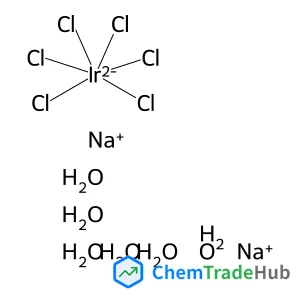
Disodium hexachloroiridate hexahydrate(CAS: 19567-78-3)
CAS Number
Related Products
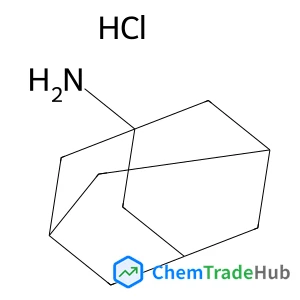
1-Amino Adamantane HCl (Amantadine HCl)
CAS Number: 665-66-7
![3-[9-({4-[(2,5-Dioxo-1-pyrrolidinyl)oxy]-4-oxobutyl}[(4-methylphenyl)sulfonyl]carbamoyl)-10-acridiniumyl]-1-propanesulfonate](https://static.chemtradehub.com/structs/199/199293-83-9-e07b.webp)
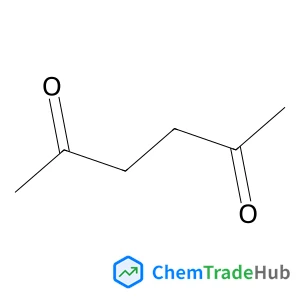
2,5-Hexanedione
CAS Number: 110-13-4
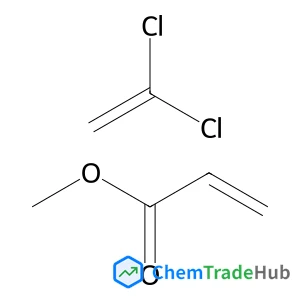
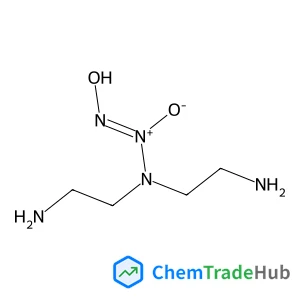
DETA NONOate
CAS Number: 146724-94-9
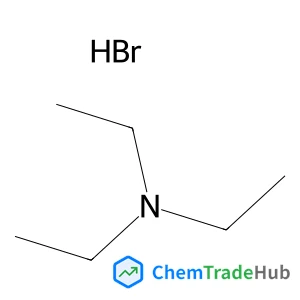
Triethylamine hydrobromide
CAS Number: 636-70-4
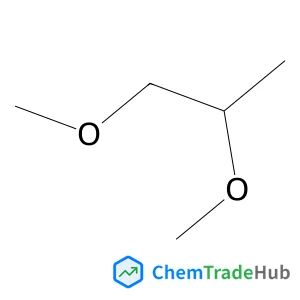
1,2-Dimethoxypropane
CAS Number: 7778-85-0
![Methyl 5-methyl-4-oxo-1,4-dihydropyrrolo[2,1-f][1,2,4]triazine-6-carboxylate](https://static.chemtradehub.com/structs/310/310431-29-9-3e32.webp)
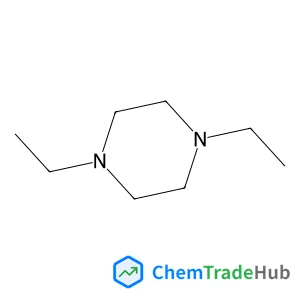
1,4-Diethylpiperazine
CAS Number: 6483-50-7
Other Suppliers for Disodium hexachloroiridate hexahydrate







Basic Information
Molecular Formula
Cl6H12IrNa2O6
Molecular Weight
559 g/mol
Physical Properties
Melting Point
600 °C
Water Solubility
Soluble in water.
Chemical Identifiers
SMILES
O.O.O.O.O.O.[Na+].[Na+].Cl[Ir-2](Cl)(Cl)(Cl)(Cl)Cl
InChIKey
QZVJPVJIAOOTJU-UHFFFAOYSA-H
Database References
MDL Number
MFCD00272635
FAQ
Disodium hexachloroiridate hexahydrate (CAS: 19567-78-3) falls under the category of hazardous substances. Regulatory guidelines include GHS classification, which categorizes the compound as toxic and corrosive. Additionally, REACH regulations require suppliers to provide Material Safety Data Sheets (MSDS) and comply with labeling and documentation requirements. FDA and EPA have specific requirements for its use in research and industry, focusing on environmental and occupational safety.
Disodium hexachloroiridate hexahydrate (CAS: 19567-78-3) can be replaced by other iridium compounds such as iridium(III) chloride or iridium(IV) chloride, depending on the specific reaction requirements. These alternatives offer similar catalytic properties but with potentially lower toxicity and lower environmental impact.
The market for Disodium hexachloroiridate hexahydrate (CAS: 19567-78-3) is primarily driven by its use in catalytic applications, particularly in the synthesis of organoiodine compounds. Research trends are shifting towards more sustainable and less toxic alternatives, indicating a growing interest in developing safer and more environmentally friendly iridium-containing compounds.
Waste containing Disodium hexachloroiridate hexahydrate (CAS: 19567-78-3) should be handled carefully to prevent environmental contamination. Waste collection should be done using appropriate containers, and the waste should be neutralized with a suitable base before disposal. Incineration is a common method for disposal, but it must be conducted under controlled conditions to minimize the release of toxic compounds. Professional waste disposal services that comply with environmental regulations should be utilized to ensure safe disposal.
Safety Notice
Please verify product specifications and safety data before use. Contact the supplier for detailed safety information.
Always follow proper handling procedures

Contact Information
Contact Person
Wan Li Rui
1400858822@qq.com
Mobile
13986212397
Telephone
027-59220433
Fax
027-59220433
Visit Website
http://www.hbchenghai.comAddress
Hubei Province Tianmen City Huangtan Town Yaite Village, Group 3