



AD
2-Methoxyethyl acrylate(CAS: 32171-39-4)
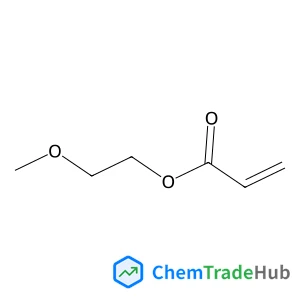
CAS Number
Related Products
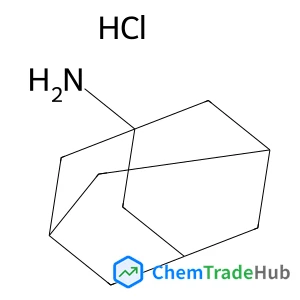
1-Amino Adamantane HCl (Amantadine HCl)
CAS Number: 665-66-7
![3-[9-({4-[(2,5-Dioxo-1-pyrrolidinyl)oxy]-4-oxobutyl}[(4-methylphenyl)sulfonyl]carbamoyl)-10-acridiniumyl]-1-propanesulfonate](https://static.chemtradehub.com/structs/199/199293-83-9-e07b.webp)
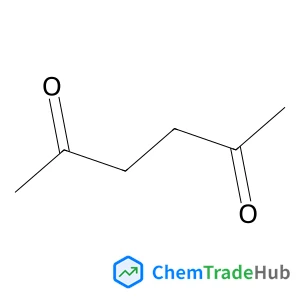
2,5-Hexanedione
CAS Number: 110-13-4
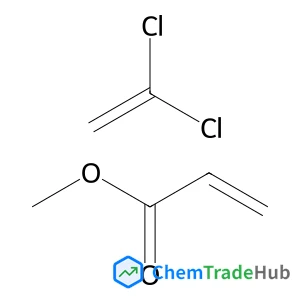
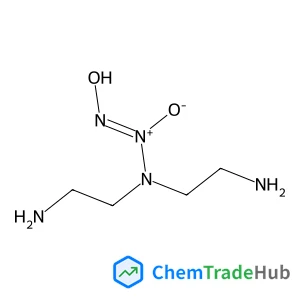
DETA NONOate
CAS Number: 146724-94-9
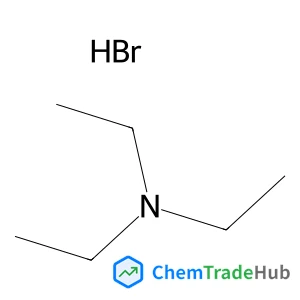
Triethylamine hydrobromide
CAS Number: 636-70-4
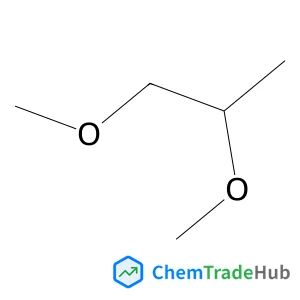
1,2-Dimethoxypropane
CAS Number: 7778-85-0
![Methyl 5-methyl-4-oxo-1,4-dihydropyrrolo[2,1-f][1,2,4]triazine-6-carboxylate](https://static.chemtradehub.com/structs/310/310431-29-9-3e32.webp)
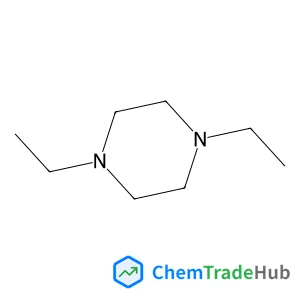
1,4-Diethylpiperazine
CAS Number: 6483-50-7
Other Suppliers for 2-Methoxyethyl acrylate






Basic Information
Molecular Formula
C6H10O3
Molecular Weight
130.14 g/mol
Physical Properties
Melting Point
6-7℃
Boiling Point
151.7±13.0 °C at 760 mmHg
Water Solubility
Soluble in water
Chemical Identifiers
SMILES
COCCOC(=O)C=C
InChIKey
HFCUBKYHMMPGBY-UHFFFAOYSA-N
Database References
MDL Number
MFCD00803685
FAQ
2-Methoxyethyl acrylate is a colorless to slightly yellowish liquid with a distinct odor. It has a molecular weight of 128.14 g/mol and a density of 0.963 g/cm³. The compound is miscible with water and most organic solvents. It is slightly soluble in water and readily soluble in ethanol, acetone, and other common organic solvents. Chemically, it is highly reactive, particularly towards nucleophiles and bases, and it can undergo ring-opening polymerization under appropriate conditions.
2-Methoxyethyl acrylate is commonly synthesized by the esterification of acryloyl chloride with methoxyethanol. The reaction is typically carried out under anhydrous conditions in the presence of a base such as pyridine or triethylamine. The process is favored by using a molar excess of methoxyethanol, and the product is usually isolated by distillation. This method ensures high yield and selectivity.
2-Methoxyethyl acrylate is widely used in the pharmaceutical industry for the synthesis of drug intermediates and in the polymer industry for acrylate-based polymers. It is also employed in the production of sensors and semiconductors due to its reactivity and solubility properties. Its applications span across adhesives, coatings, and textile treatments.
When handling 2-Methoxyethyl acrylate, proper personal protective equipment (PPE) is essential, including gloves, goggles, and a lab coat. Fume hoods should be used during operations to minimize inhalation risks. Spills should be carefully cleaned up using appropriate absorbents. Immediate action should be taken in case of contact with skin or eyes, and the Material Safety Data Sheet (MSDS) should be consulted for detailed safety information.
Safety Notice
Please verify product specifications and safety data before use. Contact the supplier for detailed safety information.
Always follow proper handling procedures

Contact Information
Contact Person
Wan Li Rui
1400858822@qq.com
Mobile
13986212397
Telephone
027-59220433
Fax
027-59220433
Visit Website
http://www.hbchenghai.comAddress
Hubei Province Tianmen City Huangtan Town Yaite Village, Group 3