



AD
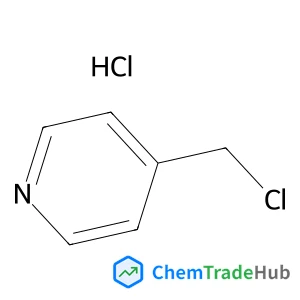
4-(Chloromethyl)pyridine hydrochloride (1:1)(CAS: 1822-51-1)
CAS Number
Related Products
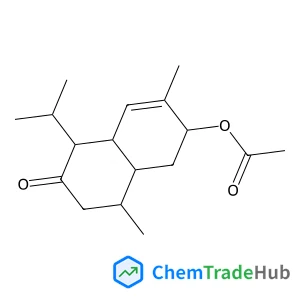
3-Acetoxy-4-cadinen-8-one
CAS Number: 923950-05-4
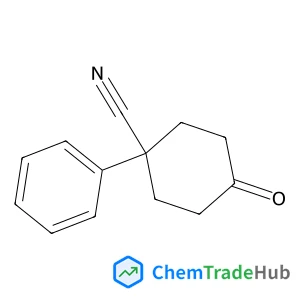
4-Oxo-1-phenylcyclohexanecarbonitrile
CAS Number: 25115-74-6
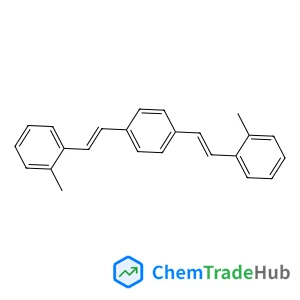
Valiolamine
CAS Number: 83456-22-9
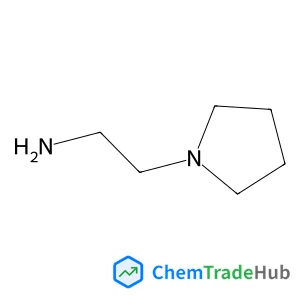
2-(1-Pyrrolidinyl)ethanamine
CAS Number: 7154-73-6
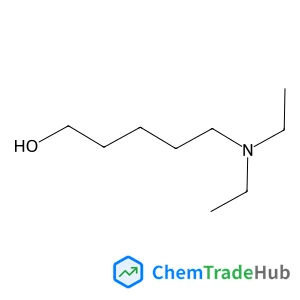
5-(Diethylamino)-1-pentanol
CAS Number: 2683-57-0
![2-Methyl-2-propanyl 4-{[2-(2-aminophenyl)ethyl]amino}-1-piperidinecarboxylate](https://static.chemtradehub.com/structs/783/783368-12-7-e061.webp)
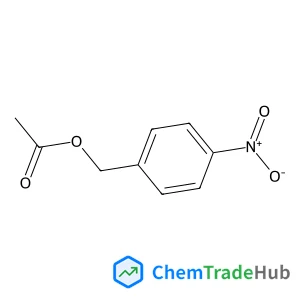
Benzenemethanol, 4-nitro-, 1-acetate
CAS Number: 619-90-9

Other Suppliers for 4-(Chloromethyl)pyridine hydrochloride (1:1)


Basic Information
Molecular Formula
C6H7Cl2N
Molecular Weight
164.04 g/mol
Physical Properties
Melting Point
166-173 °C (lit.)
Boiling Point
212 °C at 760 mmHg
Flash Point
102 °C
Water Solubility
750 g/L (20 ºC)
Chemical Identifiers
SMILES
C1=CN=CC=C1CCl.Cl
InChIKey
ZDHKVKPZQKYREU-UHFFFAOYSA-N
Database References
MDL Number
MFCD00012826
Beilstein Registry Number
3689154
FAQ
4-(Chloromethyl)pyridine hydrochloride (CAS: 1822-51-1) falls under the scope of various regulatory guidelines. It is classified according to the Globally Harmonized System of Classification and Labelling of Chemicals (GHS). In the European Union, it is subject to the Registration, Evaluation, Authorisation and Restriction of Chemicals (REACH) regulations. The U.S. Food and Drug Administration (FDA) and Environmental Protection Agency (EPA) have specific guidelines for handling and storage to ensure safety and environmental protection.
Yes, there are alternatives to 4-(Chloromethyl)pyridine hydrochloride (CAS: 1822-51-1) in synthesis. Common alternatives include other chloromethylated pyridines, such as 2-(Chloromethyl)pyridine, which can be used in similar reactions. Additionally, isomers like 5-(Chloromethyl)pyridine can serve as viable substitutes, depending on the specific application requirements.
The market for 4-(Chloromethyl)pyridine hydrochloride (CAS: 1822-51-1) is growing steadily due to its use in various industries, including pharmaceuticals and agrochemicals. Research trends are focusing on novel applications and synthesis methods. The demand is driven by ongoing development in the production of intermediates for active pharmaceutical ingredients (APIs) and agrochemicals. However, market fluctuations can be influenced by regulatory changes and environmental concerns.
Waste containing 4-(Chloromethyl)pyridine hydrochloride (CAS: 1822-51-1) should be handled with care to ensure safety and environmental compliance. Collection should be done according to local regulations. Incineration is a common method for disposal, but professional waste disposal services should be used due to the potential for hazardous emissions. Proper environmental protection measures, such as containment and treatment to reduce chlorinated compounds, are essential to prevent pollution and ensure worker safety.
Safety Notice
Please verify product specifications and safety data before use. Contact the supplier for detailed safety information.
Always follow proper handling procedures

Contact Information
hepeng20160718@foxmail.com
Mobile
13122891558
Telephone
186-16545970
Visit Website
https://www.hepengbio.com/