



AD
2-Methyl-4,6-pyrimidinediol(CAS: 1194-22-5)
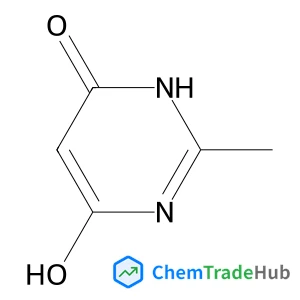
CAS Number
Related Products

3-Acetoxy-4-cadinen-8-one
CAS Number: 923950-05-4
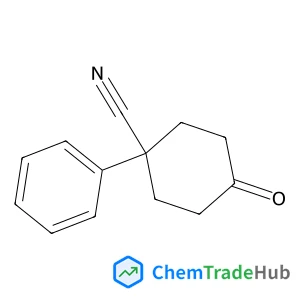
4-Oxo-1-phenylcyclohexanecarbonitrile
CAS Number: 25115-74-6
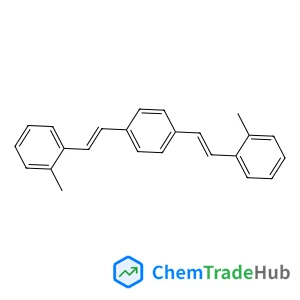
Valiolamine
CAS Number: 83456-22-9
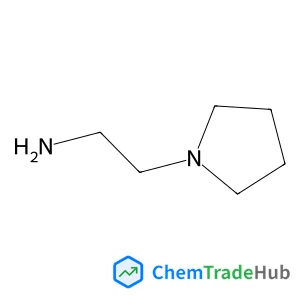
2-(1-Pyrrolidinyl)ethanamine
CAS Number: 7154-73-6
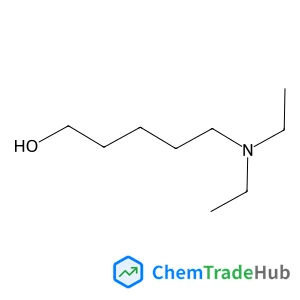
5-(Diethylamino)-1-pentanol
CAS Number: 2683-57-0
![2-Methyl-2-propanyl 4-{[2-(2-aminophenyl)ethyl]amino}-1-piperidinecarboxylate](https://static.chemtradehub.com/structs/783/783368-12-7-e061.webp)
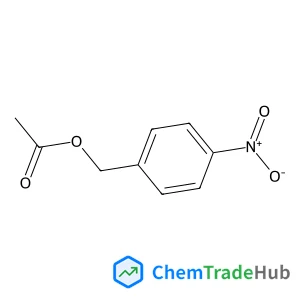
Benzenemethanol, 4-nitro-, 1-acetate
CAS Number: 619-90-9

Other Suppliers for 2-Methyl-4,6-pyrimidinediol




Basic Information
Molecular Formula
C5H6N2O2
Molecular Weight
126.11 g/mol
Physical State
White to Yellow Solid
Physical Properties
Melting Point
>300 °C(lit.)
Boiling Point
173.2°C at 760 mmHg
Flash Point
143.9ºC
Chemical Identifiers
SMILES
CC1=NC(=CC(=O)N1)O
InChIKey
BPSGVKFIQZZFNH-UHFFFAOYSA-N
Database References
MDL Number
MFCD00006104
FAQ
2-Methyl-4,6-pyrimidinediol (CAS: 1194-22-5) falls under the scope of the Globally Harmonized System of Classification and Labeling of Chemicals (GHS). It is also regulated under REACH in the European Union, which requires registration, evaluation, and authorization of chemicals. In the United States, the FDA and EPA have specific guidelines for the handling and use of this compound in pharmaceuticals and pesticides respectively. Proper storage and disposal must comply with local and national regulations to ensure safety and environmental protection.
Alternative reagents for synthesizing similar compounds include other pyrimidine derivatives such as 2-Amino-4,6-pyrimidinedione. The choice of alternative depends on the specific reaction conditions and desired product. Other options include 2-methyl-4,6-pyrimidin-2-amine, which can be used as a starting material or intermediate in organic synthesis. It is important to consider the availability, cost, and reactivity of these alternatives.
The market for 2-Methyl-4,6-pyrimidinediol (CAS: 1194-22-5) is driven by its applications in pharmaceuticals and agricultural chemicals. Research trends focus on exploring its potential in medicinal chemistry, particularly as a bioisostere for other molecules. The trend also includes investigating its use in crop protection and as a component in biocides. Market dynamics are influenced by regulatory changes, cost fluctuations, and emerging applications in biotechnology and healthcare.
Waste containing 2-Methyl-4,6-pyrimidinediol (CAS: 1194-22-5) should be collected and disposed of in accordance with local and national hazardous waste regulations. It is often recommended to neutralize the waste before disposal to minimize environmental impact. For large quantities, incineration is a common method, but it must be done in an enclosed and properly permitted facility. Professional waste disposal services are recommended for safe and efficient handling. Always follow local guidelines for environmental protection and safety.
Safety Notice
Please verify product specifications and safety data before use. Contact the supplier for detailed safety information.
Always follow proper handling procedures

Contact Information
hepeng20160718@foxmail.com
Mobile
13122891558
Telephone
186-16545970
Visit Website
https://www.hepengbio.com/