



AD
Fiber Glass Wool(CAS: 65997-17-3)
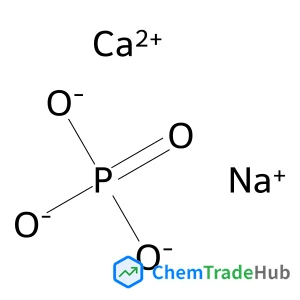
CAS Number
Related Products
![Dibenzo[b,f][1,4]thiazepin-11(10H)-one](https://static.chemtradehub.com/structs/315/3159-07-7-023d.webp)
Dibenzo[b,f][1,4]thiazepin-11(10H)-one
CAS Number: 3159-07-7
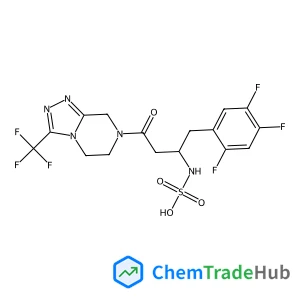
Sitagliptin N-Sulfate
CAS Number: 940002-57-3
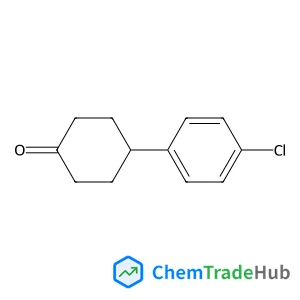
4-(4-Chlorophenyl)cyclohexanone
CAS Number: 14472-80-1
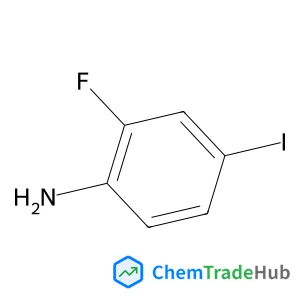
2-Fluoro-4-iodoaniline
CAS Number: 29632-74-4
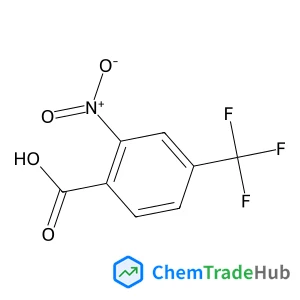
2-Nitro-4-(trifluoromethyl)benzoic acid
CAS Number: 320-94-5
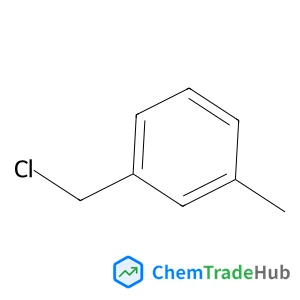
1-(Chloromethyl)-3-methylbenzene
CAS Number: 620-19-9
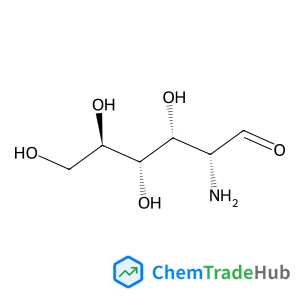
2-Amino-2-deoxy-D-glucose
CAS Number: 3416-24-8
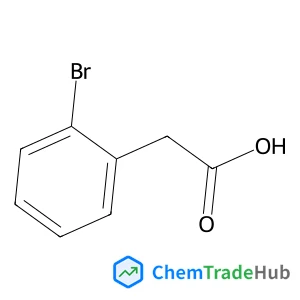
(2-Bromophenyl)acetic acid
CAS Number: 18698-97-0
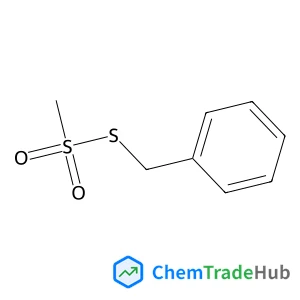
BENZYL METHANETHIOSULFONATE
CAS Number: 7559-62-8
Other Suppliers for Fiber Glass Wool




Basic Information
Molecular Formula
CaNaO4P
Molecular Weight
158.04 g/mol
Physical Properties
Melting Point
680 ℃
Boiling Point
1000 ℃
Density
1.1 g/mL at 25 °C(lit.)
Chemical Identifiers
SMILES
[O-]P(=O)([O-])[O-].[Na+].[Ca+2]
InChIKey
QXJJQWWVWRCVQT-UHFFFAOYSA-K
Database References
MDL Number
MFCD00147032
FAQ
Fiber Glass Wool (CAS: 65997-17-3) is a fibrous material with a high melting point and thermal insulation properties. It has a low density, typically around 24 kg/m³. Chemically, it is composed of glass fibers, primarily silica (SiO₂), with minor amounts of calcium oxide (CaO) and sodium oxide (Na₂O). The material is insoluble in water and has a low reactivity with most chemicals. Its crystalline form is typically amorphous, though it can contain small crystalline regions. Fiber Glass Wool is resistant to corrosion and has good electrical insulation properties.
Fiber Glass Wool (CAS: 65997-17-3) is synthesized through a process called vitreous fiber manufacturing. This involves melting a glass batch consisting mainly of silica sand, soda ash, and limestone in a furnace. The molten glass is then spun into fine fibers using a high-speed spinning process. The fibers are cooled rapidly to form a glassy structure that is amorphous. This process typically does not require specific catalysts, but it can be optimized for yield and fiber quality through temperature and speed control.
Fiber Glass Wool (CAS: 65997-17-3) is widely used in various industries. It is employed in the building and construction sector for thermal insulation, soundproofing, and fire protection. In the automotive industry, it is used to improve fuel efficiency by reducing vehicle weight. It is also used in the electrical and electronics industry for insulation and heat protection. Additionally, Fiber Glass Wool is used in the textile industry for composite materials and in the manufacturing of roofing and insulation boards.
When handling Fiber Glass Wool (CAS: 65997-17-3), it is important to use personal protective equipment (PPE) such as gloves, goggles, and a respirator to prevent skin irritation and inhalation of fibers. Work should be done in a well-ventilated area or a fume hood to minimize inhalation risk. Spills should be cleaned up carefully, and proper disposal methods should be followed. Safety data sheets (SDS) should be consulted for detailed handling and emergency procedures. Storage should be in a dry, well-ventilated area, away from direct sunlight and sources of heat.
Safety Notice
Please verify product specifications and safety data before use. Contact the supplier for detailed safety information.
Always follow proper handling procedures

Contact Information
shjlsw@163.com
Mobile
13621662912
Telephone
021-61552785
Fax
021-55660885
Visit Website
http://www.jonln.com