



AD
9-Bromoanthracene(CAS: 1564-64-3)
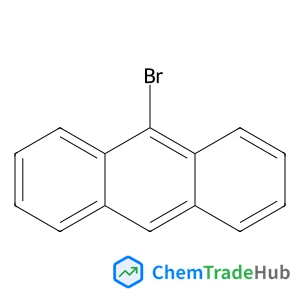
CAS Number
Related Products
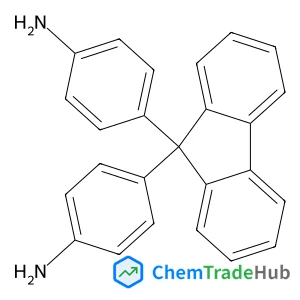
4,4'-(9H-Fluorene-9,9-diyl)dianiline
CAS Number: 15499-84-0
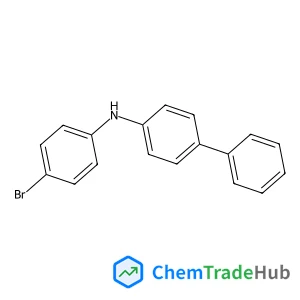
N-(4-Bromophenyl)-4-biphenylamine
CAS Number: 1160294-93-8
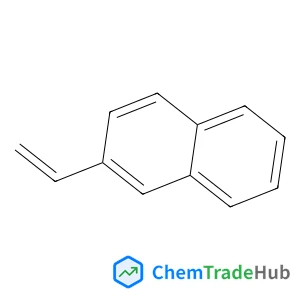
2-Vinylnaphthalene
CAS Number: 827-54-3
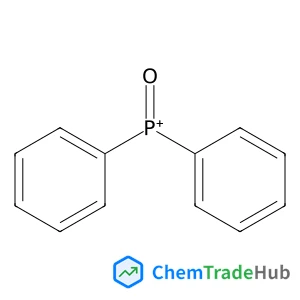
Diphenylphosphine oxide
CAS Number: 4559-70-0
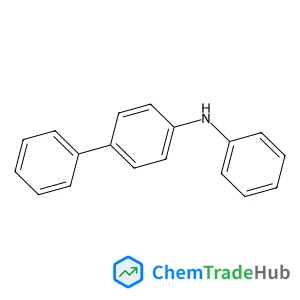
N-Phenyl-4-biphenylamine
CAS Number: 32228-99-2
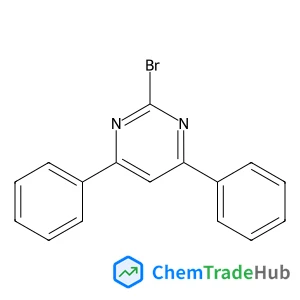
2-Bromo-4,6-diphenylpyrimidine
CAS Number: 56181-49-8
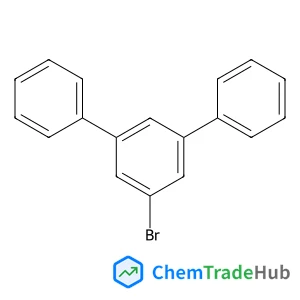
5'-Bromo-1,1':3',1''-terphenyl
CAS Number: 103068-20-8
Other Suppliers for 9-Bromoanthracene


Basic Information
Molecular Formula
C14H9Br
Molecular Weight
257.13 g/mol
Physical Properties
Melting Point
103.0 to 107.0 deg-C
Boiling Point
389.7℃ at 760 mmHg
Flash Point
190.3℃
Water Solubility
Insoluble in water.
Chemical Identifiers
SMILES
C1=CC=C2C(=C1)C=C3C=CC=CC3=C2Br
InChIKey
ZIRVQSRSPDUEOJ-UHFFFAOYSA-N
Database References
MDL Number
MFCD00001243
Beilstein Registry Number
1869747
FAQ
9-Bromoanthracene is a brominated aromatic hydrocarbon with the chemical formula C14H9Br. It is a solid at room temperature, characterized by its polycyclic structure and strong absorption in the ultraviolet spectrum. This compound is known for its use as a precursor in organic synthesis and exhibits properties typical of aromatic compounds, including stability and low solubility in water.
9-Bromoanthracene is primarily used in pharmaceutical research as a building block for drug development. It also finds applications in industrial chemistry for producing dyes, pigments, and materials. Additionally, it is employed in organic synthesis and as a probe in analytical chemistry due to its unique reactivity and spectroscopic properties.
9-Bromoanthracene is classified as a potential carcinogen and should be handled with caution. Safety measures include wearing protective gloves, goggles, and lab coats, and working in a well-ventilated area. It meets safety standards for controlled chemical use but requires adherence to OSHA and EPA guidelines to minimize health and environmental risks.
9-Bromoanthracene should be stored in a cool, dry place (ideally below 25°C), away from light and air. Use airtight, light-resistant containers to maintain stability. Keep it in a fume hood to prevent exposure and avoid contact with incompatible substances to ensure long-term safety and integrity.
Safety Notice
Please verify product specifications and safety data before use. Contact the supplier for detailed safety information.
Always follow proper handling procedures