



AD
2,2'-Biphenyldicarboxylic acid(CAS: 482-05-3)
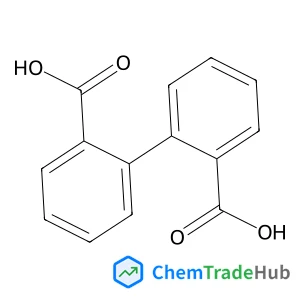
CAS Number
Related Products
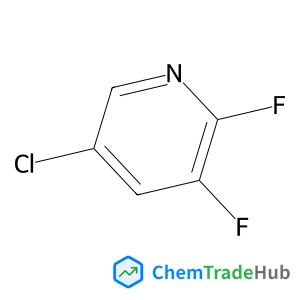
5-Chloro-2,3-difluoropyridine
CAS Number: 89402-43-7
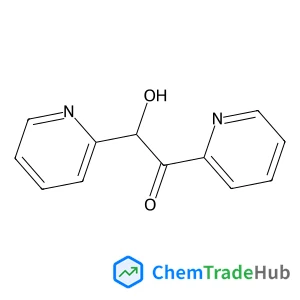
2-Hydroxy-1,2-di(2-pyridinyl)ethanone
CAS Number: 1141-06-6
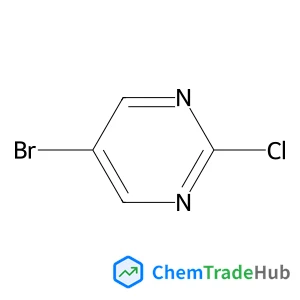
5-Bromo-2-chloropyrimidine
CAS Number: 32779-36-5
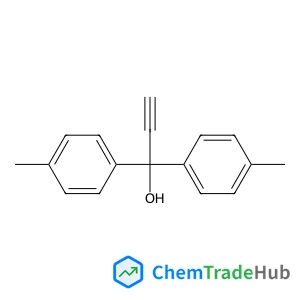
1,1-Di-p-tolyl-2-propyn-1-ol
CAS Number: 93318-88-8
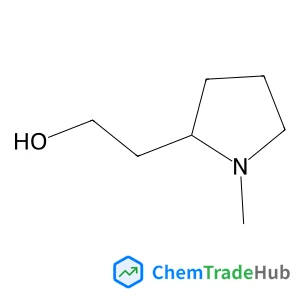
2-(1-Methyl-2-pyrrolidinyl)ethanol
CAS Number: 67004-64-2
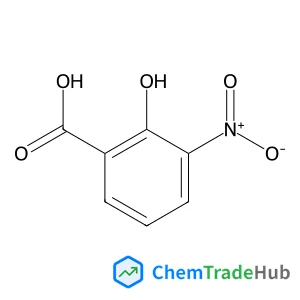
2-Hydroxy-3-nitrobenzoic acid
CAS Number: 85-38-1
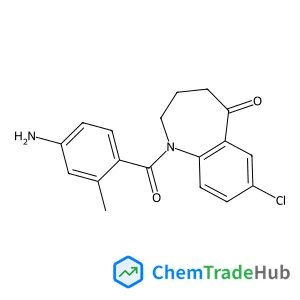
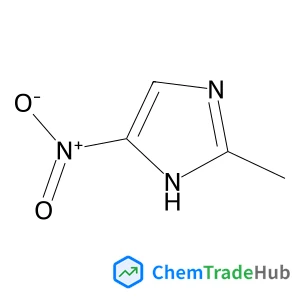
2-Methyl-4-nitro-1H-imidazole
CAS Number: 88054-22-2
Other Suppliers for 2,2'-Biphenyldicarboxylic acid



Basic Information
Molecular Formula
C14H10O4
Molecular Weight
242.23 g/mol
Physical Properties
Melting Point
230.0 to 236.0 deg-C
Boiling Point
422.8℃ at 760 mmHg
Flash Point
223.7 ºC
Chemical Identifiers
SMILES
C1=CC=C(C(=C1)C2=CC=CC=C2C(=O)O)C(=O)O
InChIKey
GWZCCUDJHOGOSO-UHFFFAOYSA-N
Database References
MDL Number
MFCD00002464
Beilstein Registry Number
2053625
FAQ
2,2'-Biphenyldicarboxylic acid (CAS: 482-05-3) falls under the scope of the REACH regulations in Europe, which requires manufacturers and importers to register chemicals above a one-tonne threshold. In the United States, it is regulated under the TSCA. It should be handled according to the GHS classification, which includes hazardous properties such as corrosivity. Additionally, the FDA may regulate its use in food-related applications, and EPA regulations may apply to its environmental impact.
There are several alternatives to 2,2'-Biphenyldicarboxylic acid (CAS: 482-05-3) in synthesis, such as terephthalic acid and isophthalic acid, which can be used as starting materials in the production of polymer intermediates. Additionally, other dicarboxylic acids like phthalic acid and adipic acid may serve as viable substitutes depending on the specific application and compatibility requirements.
The market for 2,2'-Biphenyldicarboxylic acid (CAS: 482-05-3) is stable but shows ongoing interest in its use as a monomer for the production of polyesters and other high-performance polymers. Research trends focus on its environmental impact and the development of more sustainable synthesis routes. There is also growing interest in its use in pharmaceuticals and as an intermediate in the development of functional materials.
Waste containing 2,2'-Biphenyldicarboxylic acid (CAS: 482-05-3) should be collected in appropriate containers and disposed of according to local regulations. Incineration is a common method, and professional waste disposal services should be utilized to ensure compliance. Environmental protection measures include minimizing spillage and adhering to safety protocols to prevent contamination. In case of spills, neutralization and proper containment are crucial steps before disposal.
Safety Notice
Please verify product specifications and safety data before use. Contact the supplier for detailed safety information.
Always follow proper handling procedures
Contact Information
Contact Person
Manager Hu
443108339@qq.com