



AD
(Methylsulfanyl)(methylsulfinyl)methane(CAS: 33577-16-1)
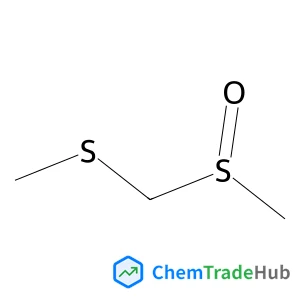
CAS Number
Related Products
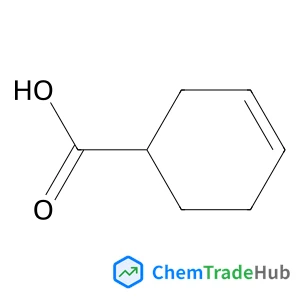
(1S)-3-Cyclohexene-1-carboxylic acid
CAS Number: 5708-19-0
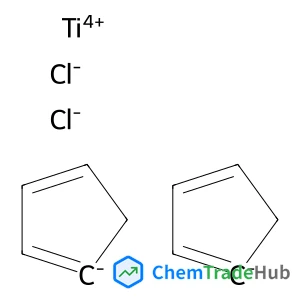
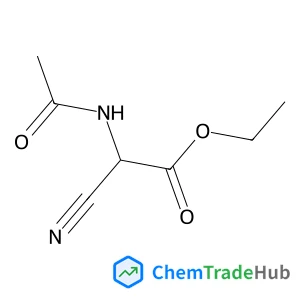
Ethyl Acetamidocyanoacetate
CAS Number: 4977-62-2
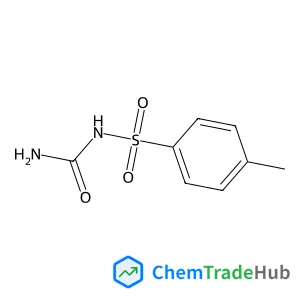
N-Carbamoyl-4-methylbenzenesulfonamide
CAS Number: 1694-06-0
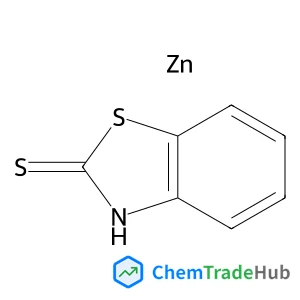
Zinc bis(1,3-benzothiazole-2-thiolate)
CAS Number: 155-04-4
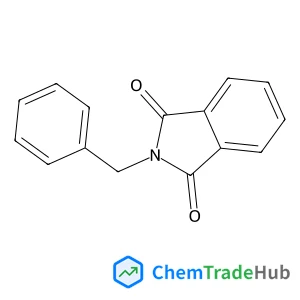
2-Benzyl-1H-isoindole-1,3(2H)-dione
CAS Number: 2142-01-0
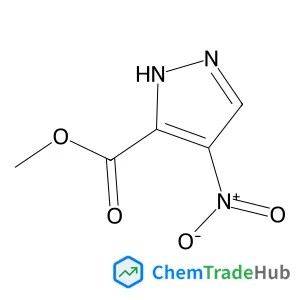
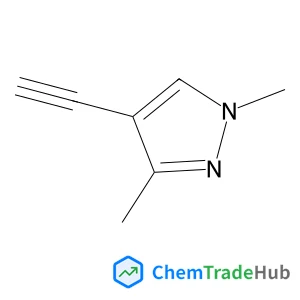
4-Ethynyl-1,3-dimethyl-1H-pyrazole
CAS Number: 61514-53-2
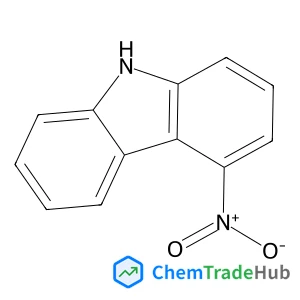
1-Nitro-9H-carbazole
CAS Number: 57905-76-7
Other Suppliers for (Methylsulfanyl)(methylsulfinyl)methane





Basic Information
Molecular Formula
C3H8OS2
Molecular Weight
124.23 g/mol
Physical Properties
Melting Point
222-226 ºC
Boiling Point
93°C/2.5mmHg(lit.)
Flash Point
136℃(lit.)
Chemical Identifiers
SMILES
CSCS(=O)C
InChIKey
OTKFCIVOVKCFHR-UHFFFAOYSA-N
Database References
MDL Number
MFCD00002091
Beilstein Registry Number
906789
FAQ
Regulatory guidelines applicable to (Methylsulfanyl)(methylsulfinyl)methane (CAS: 33577-16-1) include the Globally Harmonized System of Classification and Labelling of Chemicals (GHS), REACH regulations, and FDA/EPA requirements. GHS classifies the compound as a skin and eye irritant. Under REACH, manufacturers and importers must register the substance if produced or imported in quantities exceeding 1 tonne per year. FDA/EPA regulations address the environmental and health impacts of the compound in various applications.
There are several alternatives to (Methylsulfanyl)(methylsulfinyl)methane (CAS: 33577-16-1) in synthesis, such as dimethyl sulfide and thioglycolic acid. Dimethyl sulfide is a direct analog, while thioglycolic acid can be used as a precursor to similar compounds. These alternatives offer similar functionality but may have different reactivity and toxicity profiles, making them suitable for specific applications.
The market for (Methylsulfanyl)(methylsulfinyl)methane (CAS: 33577-16-1) is growing due to its use in various applications, including pharmaceuticals, agrochemicals, and materials science. Research trends indicate increasing interest in its use as a precursor for sulfur-containing compounds. Market dynamics show stable demand with minor fluctuations, driven by technological advancements and expanding industrial applications.
Waste containing (Methylsulfanyl)(methylsulfinyl)methane (CAS: 33577-16-1) should be collected in appropriate containers and stored in a well-ventilated area. Incineration is a common method for disposal, and professional waste disposal services should be utilized. Environmental protection precautions include proper labeling, safe transportation, and adherence to local waste management regulations to minimize environmental impact. Safe disposal practices are crucial to ensure compliance with regulatory requirements and protect the environment.
Safety Notice
Please verify product specifications and safety data before use. Contact the supplier for detailed safety information.
Always follow proper handling procedures
Contact Information
jacschem@163.com