



AD
Diethoxyacetonitrile(CAS: 6136-93-2)
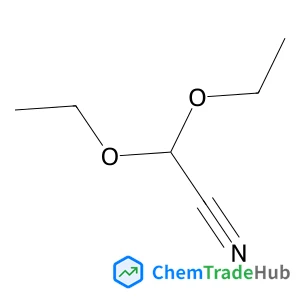
CAS Number
Related Products
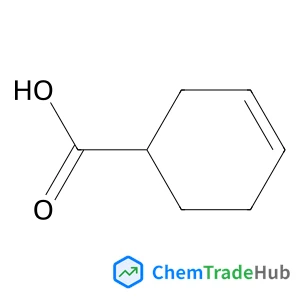
(1S)-3-Cyclohexene-1-carboxylic acid
CAS Number: 5708-19-0
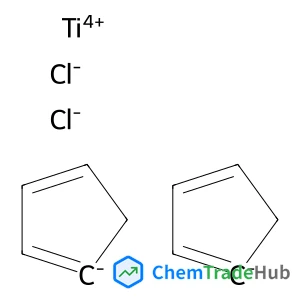
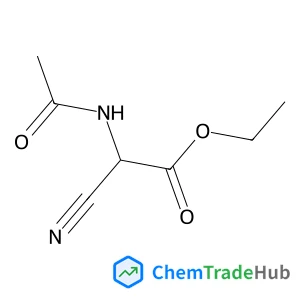
Ethyl Acetamidocyanoacetate
CAS Number: 4977-62-2
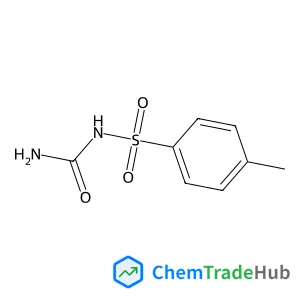
N-Carbamoyl-4-methylbenzenesulfonamide
CAS Number: 1694-06-0
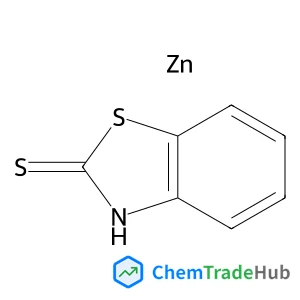
Zinc bis(1,3-benzothiazole-2-thiolate)
CAS Number: 155-04-4
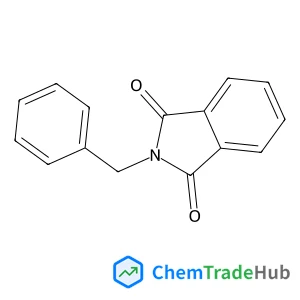
2-Benzyl-1H-isoindole-1,3(2H)-dione
CAS Number: 2142-01-0
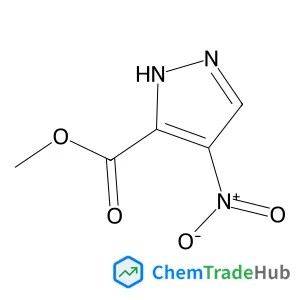
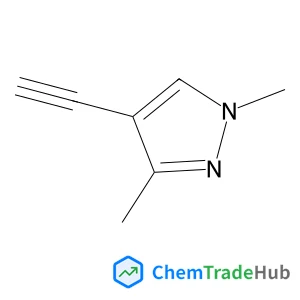
4-Ethynyl-1,3-dimethyl-1H-pyrazole
CAS Number: 61514-53-2
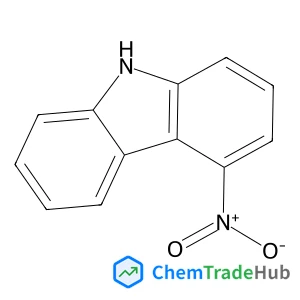
1-Nitro-9H-carbazole
CAS Number: 57905-76-7
Other Suppliers for Diethoxyacetonitrile


Basic Information
Molecular Formula
C6H11NO2
Molecular Weight
118.18 g/mol
Physical Properties
Melting Point
−19-−18 °C (lit.)
Boiling Point
167.7 °C/773 mmHg(lit.)
Density
0.929 g/mL at 25 °C(lit.)
Chemical Identifiers
SMILES
CCOC(OCC)C#N
InChIKey
UDELMRIGXNCYLU-UHFFFAOYSA-N
Database References
MDL Number
MFCD00043982
FAQ
Diethoxyacetonitrile (CAS: 6136-93-2) is regulated under the Globally Harmonized System of Classification and Labeling of Chemicals (GHS) and is classified as a flammable liquid (Category 4) and a skin and eye irritant (Category 2). In the European Union, it falls under the REACH regulations, requiring registration if used in quantities above 1 ton per year. In the United States, the Environmental Protection Agency (EPA) and the Food and Drug Administration (FDA) have specific requirements for its handling and disposal.
Yes, there are alternative reagents that can be used in synthesis. For example, diethoxyacetone can be an alternative due to its similar functional groups. Other alternatives include diethyl ketoxime and ethyl acetoacetate, which can be used depending on the specific reaction conditions and desired product. These alternatives can offer similar reactivity while potentially having better safety profiles or regulatory compliance.
The market for Diethoxyacetonitrile (CAS: 6136-93-2) is generally stable, with a growing interest in its use in pharmaceutical and agrochemical industries. Research trends are focusing on its application in organic synthesis, particularly in the preparation of chiral compounds. There are also increasing studies on its potential as a ligand in catalytic reactions, which may drive market growth in the future.
Waste containing Diethoxyacetonitrile (CAS: 6136-93-2) should be collected in appropriate containers and handled in compliance with local regulations. The waste should be incinerated or disposed of via professional waste disposal services, ensuring that all safety precautions are followed. Environmental protection measures include proper ventilation during handling and use of personal protective equipment (PPE) to prevent exposure. Compliance with regulations such as the EPA’s Resource Conservation and Recovery Act (RCRA) is crucial for safe waste disposal.
Safety Notice
Please verify product specifications and safety data before use. Contact the supplier for detailed safety information.
Always follow proper handling procedures
Contact Information
jacschem@163.com