



AD
Methyl 2-bromoisonicotinate(CAS: 26156-48-9)
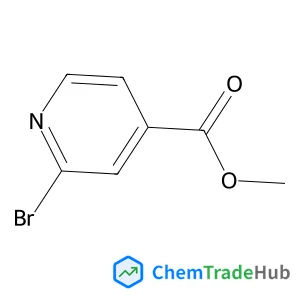
CAS Number
Related Products
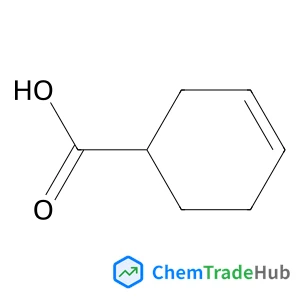
(1S)-3-Cyclohexene-1-carboxylic acid
CAS Number: 5708-19-0
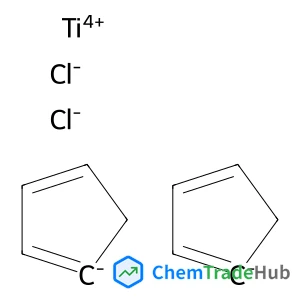
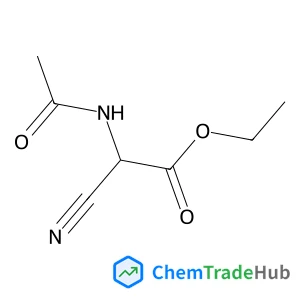
Ethyl Acetamidocyanoacetate
CAS Number: 4977-62-2
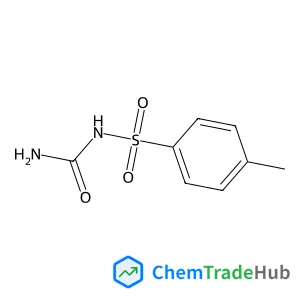
N-Carbamoyl-4-methylbenzenesulfonamide
CAS Number: 1694-06-0
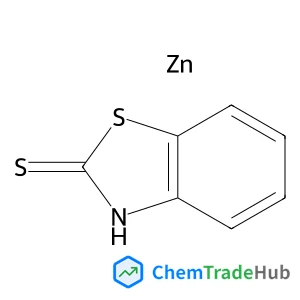
Zinc bis(1,3-benzothiazole-2-thiolate)
CAS Number: 155-04-4
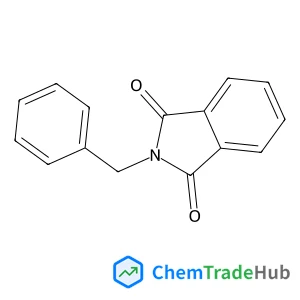
2-Benzyl-1H-isoindole-1,3(2H)-dione
CAS Number: 2142-01-0
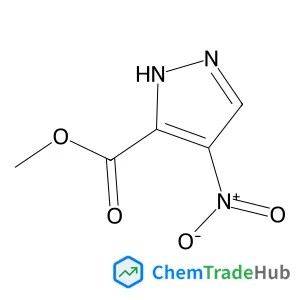
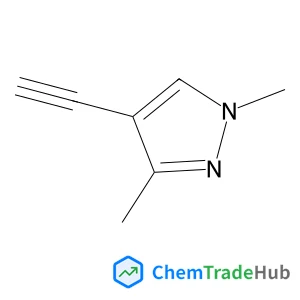
4-Ethynyl-1,3-dimethyl-1H-pyrazole
CAS Number: 61514-53-2
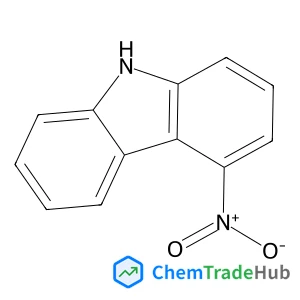
1-Nitro-9H-carbazole
CAS Number: 57905-76-7
Other Suppliers for Methyl 2-bromoisonicotinate







Basic Information
Molecular Formula
C7H6BrNO2
Molecular Weight
216.03 g/mol
Physical Properties
Melting Point
34.0 to 38.0 deg-C
Boiling Point
268°Cat760mmHg
Density
1.579
Flash Point
115.9℃
Chemical Identifiers
SMILES
COC(=O)C1=CC(=NC=C1)Br
InChIKey
MULLTHQTADMZDM-UHFFFAOYSA-N
Database References
MDL Number
MFCD03791265
FAQ
Methyl 2-bromoisonicotinate (CAS: 26156-48-9) falls under the Globally Harmonized System of Classification and Labelling of Chemicals (GHS) as a hazardous chemical. It is classified as a carcinogen (Class 2). For European Union markets, it is subject to REACH regulations, requiring registration for quantities above 1 ton per year. In the USA, it is regulated by the EPA and FDA, with specific labeling and handling requirements.
There are several alternatives to Methyl 2-bromoisonicotinate (CAS: 26156-48-9) in synthesis, including bromoisonicotinic acid, methyl 2-chloroisonicotinate, and methyl 2-iodoisonicotinate. These alternatives can serve similar purposes in various synthetic pathways, offering different reactivity and convenience.
Methyl 2-bromoisonicotinate (CAS: 26156-48-9) is gaining interest in pharmaceutical and agrochemical research due to its unique biological activity. Recent trends indicate increased demand for its use in developing novel drugs and pesticides. Market analysis suggests steady growth, driven by ongoing research into its potential therapeutic applications.
Waste containing Methyl 2-bromoisonicotinate (CAS: 26156-48-9) should be collected in sealed, leak-proof containers and stored in a secure, well-ventilated area. Incineration is a common disposal method, ensuring complete destruction of the compound. Alternatively, professional waste disposal services should handle large quantities to ensure compliance with environmental regulations and safe disposal.
Safety Notice
Please verify product specifications and safety data before use. Contact the supplier for detailed safety information.
Always follow proper handling procedures
Contact Information
jacschem@163.com