



AD
3,5-Dichlorothiophene-2-carboxylic acid(CAS: 89166-94-9)
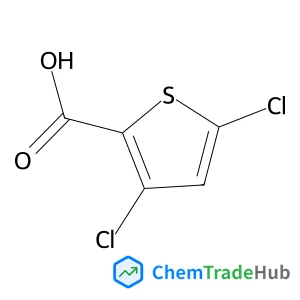
CAS Number
Related Products
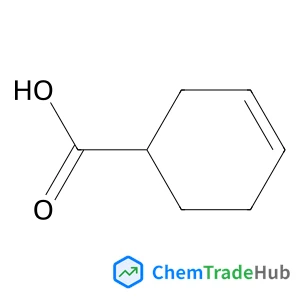
(1S)-3-Cyclohexene-1-carboxylic acid
CAS Number: 5708-19-0
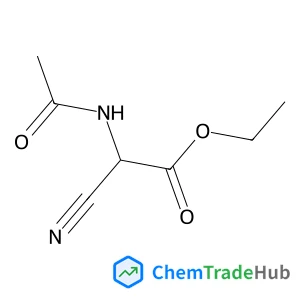
Ethyl Acetamidocyanoacetate
CAS Number: 4977-62-2
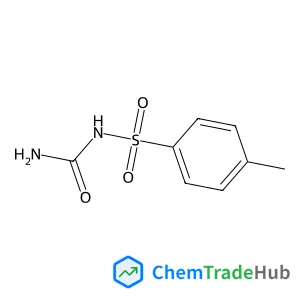
N-Carbamoyl-4-methylbenzenesulfonamide
CAS Number: 1694-06-0
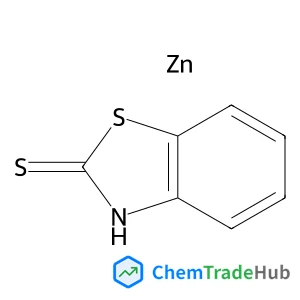
Zinc bis(1,3-benzothiazole-2-thiolate)
CAS Number: 155-04-4
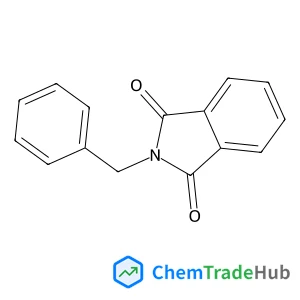
2-Benzyl-1H-isoindole-1,3(2H)-dione
CAS Number: 2142-01-0
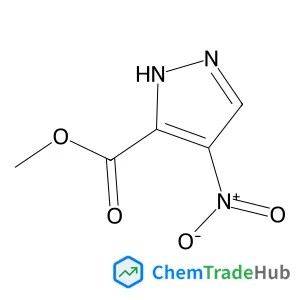
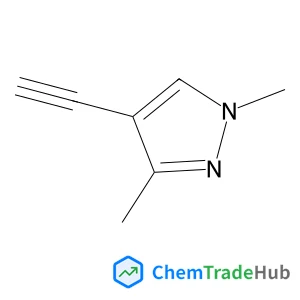
4-Ethynyl-1,3-dimethyl-1H-pyrazole
CAS Number: 61514-53-2
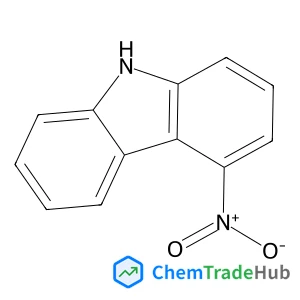
1-Nitro-9H-carbazole
CAS Number: 57905-76-7
Other Suppliers for 3,5-Dichlorothiophene-2-carboxylic acid





Basic Information
Molecular Formula
C5H2Cl2O2S
Molecular Weight
197.04 g/mol
Chemical Identifiers
SMILES
C1=C(SC(=C1Cl)C(=O)O)Cl
InChIKey
DRFBPFKEXPWKSY-UHFFFAOYSA-N
Database References
MDL Number
MFCD20638788
FAQ
3,5-Dichlorothiophene-2-carboxylic acid (CAS: 89166-94-9) falls under various regulatory guidelines. Under the Globally Harmonized System of Classification and Labeling of Chemicals (GHS), it is classified as a skin and eye irritant. In the EU, it is regulated under REACH for its potential environmental and health impacts. The Food and Drug Administration (FDA) and Environmental Protection Agency (EPA) also have specific guidelines for the handling and disposal of this compound due to its chlorine content.
Alternatives to 3,5-Dichlorothiophene-2-carboxylic acid (CAS: 89166-94-9) in synthesis include 3,5-Difluorothiophene-2-carboxylic acid and 3,5-Dimethylthiophene-2-carboxylic acid. These compounds can serve similar functional groups and are often used as substitutes in various chemical reactions due to their structural similarities. Common alternative reagents include chloroformic acid esters and thiophene derivatives.
The market for 3,5-Dichlorothiophene-2-carboxylic acid (CAS: 89166-94-9) is influenced by its applications in pharmaceuticals, agrochemicals, and materials science. Research trends are focused on its use as a precursor in the synthesis of heterocyclic compounds and its potential as an intermediate in the development of new drugs and industrial chemicals. Market demand is expected to grow with advancements in these fields.
Waste containing 3,5-Dichlorothiophene-2-carboxylic acid (CAS: 89166-94-9) should be collected in appropriate containers and stored under controlled conditions to prevent environmental contamination. Incineration is a common method for disposal, but professional waste disposal services are recommended due to its hazardous nature. Environmental protection precautions include ensuring all disposal methods comply with local and international regulations to minimize risks to human health and the environment.
Safety Notice
Please verify product specifications and safety data before use. Contact the supplier for detailed safety information.
Always follow proper handling procedures
Contact Information
jacschem@163.com