



AD
1,2-Thiazole-4-carboxylic acid(CAS: 822-82-2)
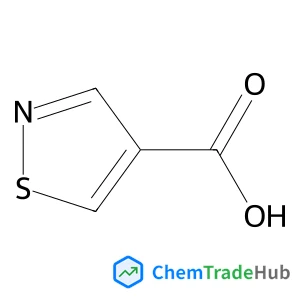
CAS Number
Related Products
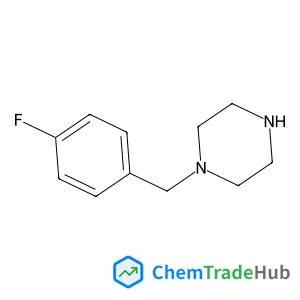
1-(4-Fluorobenzyl)piperazine
CAS Number: 70931-28-1
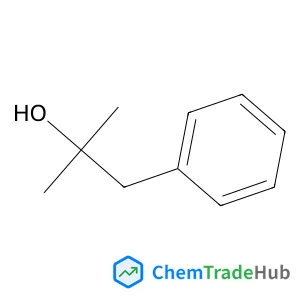
2-Methyl-1-Phenyl-2-Propanol
CAS Number: 100-86-7
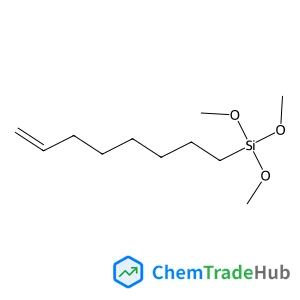
Trimethoxy(7-octen-1-yl)silane
CAS Number: 52217-57-9
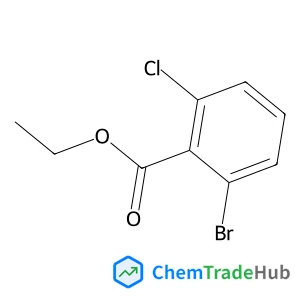
Ethyl 2-bromo-6-chlorobenzoate
CAS Number: 933672-18-5
![Hydrogen [hydroxy(oxo)silyl]silicate](https://static.chemtradehub.com/structs/148/14808-60-7-ed6a.webp)
Hydrogen [hydroxy(oxo)silyl]silicate
CAS Number: 14808-60-7
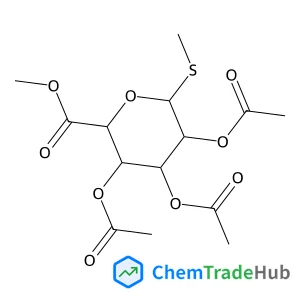
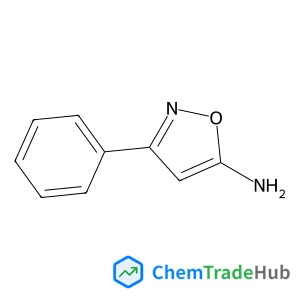
3-Phenyl-1,2-oxazol-5-amine
CAS Number: 4369-55-5
Other Suppliers for 1,2-Thiazole-4-carboxylic acid





Basic Information
Molecular Formula
C4H3NO2S
Molecular Weight
129.14 g/mol
Physical Properties
Boiling Point
175.8°C at 760 mmHg
Density
1.525
Flash Point
60.134 °C
Chemical Identifiers
SMILES
OC(=O)c1cnsc1
InChIKey
PCXTYKGTWQCNJI-UHFFFAOYSA-N
Database References
MDL Number
MFCD08704791
FAQ
1,2-Thiazole-4-carboxylic acid is a crystalline solid with a molecular weight of approximately 148.15 g/mol. It has a pKa of around 3.6, indicating it is a weak acid. The compound is slightly soluble in water but soluble in most organic solvents. Chemically, it is highly reactive towards nucleophiles and can undergo various acid-base reactions.
1,2-Thiazole-4-carboxylic acid can be synthesized through the condensation of thiosemicarbazide with 4-chloroacetyl chloride, followed by hydrolysis. Alternatively, it can be prepared from 2-aminothiazole-4-carboxylic acid using mild acid catalysis. The yield is typically around 70-80%, and the method involves careful control of pH and temperature to ensure selectivity.
1,2-Thiazole-4-carboxylic acid is widely used in the pharmaceutical industry for the synthesis of drug intermediates. It is also utilized in the production of polymers, specifically in the development of functionalized polymers with enhanced properties. Additionally, it finds applications in the manufacturing of sensors and semiconductors due to its unique chemical structure.
When handling 1,2-Thiazole-4-carboxylic acid, it is essential to wear appropriate personal protective equipment (PPE) such as gloves, safety goggles, and a lab coat. Work in a well-ventilated area or a fume hood to minimize inhalation risks. Spills should be handled with caution; sweep up the solid and dispose of it according to local regulations. Always consult the Material Safety Data Sheet (MSDS) for specific safety guidelines.
Safety Notice
Please verify product specifications and safety data before use. Contact the supplier for detailed safety information.
Always follow proper handling procedures
Contact Information
Contact Person
Aladdin
market@aladdin-e.com