



AD
3-(8-Hydroxy-6-quinolinyl)-N-(3-phenylpropyl)benzamide(CAS: 2003260-55-5)

CAS Number
Related Products
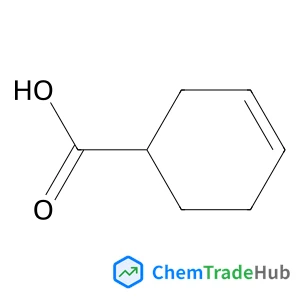
(1S)-3-Cyclohexene-1-carboxylic acid
CAS Number: 5708-19-0
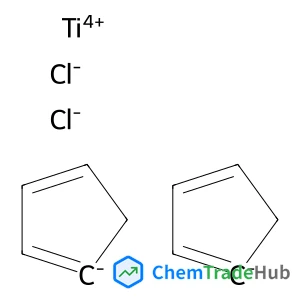
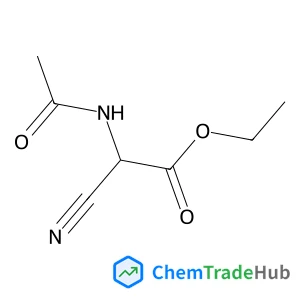
Ethyl Acetamidocyanoacetate
CAS Number: 4977-62-2
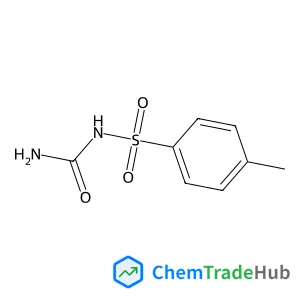
N-Carbamoyl-4-methylbenzenesulfonamide
CAS Number: 1694-06-0
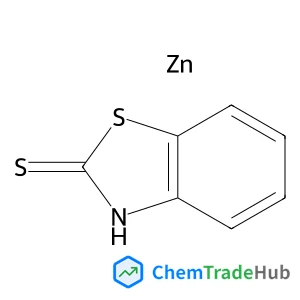
Zinc bis(1,3-benzothiazole-2-thiolate)
CAS Number: 155-04-4
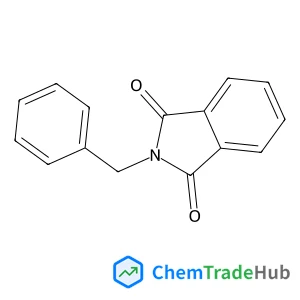
2-Benzyl-1H-isoindole-1,3(2H)-dione
CAS Number: 2142-01-0
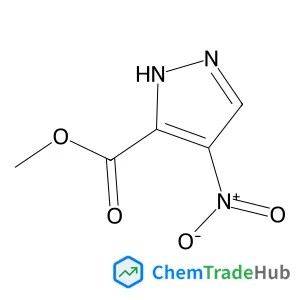
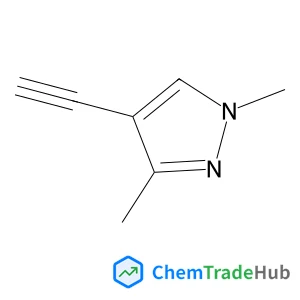
4-Ethynyl-1,3-dimethyl-1H-pyrazole
CAS Number: 61514-53-2
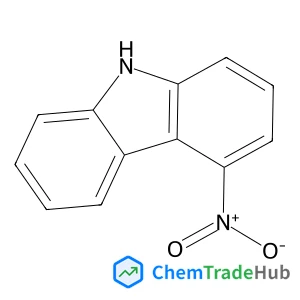
1-Nitro-9H-carbazole
CAS Number: 57905-76-7
Other Suppliers for 3-(8-Hydroxy-6-quinolinyl)-N-(3-phenylpropyl)benzamide




Basic Information
Molecular Formula
C25H22N2O2
Molecular Weight
382.46 g/mol
Chemical Identifiers
SMILES
c1ccc(cc1)CCCNC(=O)c2cccc(c2)c3cc4cccnc4c(c3)O
InChIKey
NYKBXXGHEMXSBB-UHFFFAOYSA-N
Database References
MDL Number
MFCD31382180
FAQ
3-(8-Hydroxy-6-quinolinyl)-N-(3-phenylpropyl)benzamide (CAS: 2003260-55-5) falls under various regulatory guidelines including GHS classification, REACH regulations, FDA requirements for pharmaceuticals, and EPA guidelines for chemical management. It is important to consult the latest regulatory documents for specific guidance on handling, storage, and disposal.
Alternatives to 3-(8-Hydroxy-6-quinolinyl)-N-(3-phenylpropyl)benzamide (CAS: 2003260-55-5) in synthesis include other quinoline derivatives and amides with similar functional groups. Common alternatives include 3-(6-chloro-8-hydroxyquinolin-2-yl)-N-(3-phenylpropyl)benzamide and other structurally related compounds that may be less complex or have different reactivity.
The market for 3-(8-Hydroxy-6-quinolinyl)-N-(3-phenylpropyl)benzamide (CAS: 2003260-55-5) is currently focused on its potential applications in pharmaceuticals due to its biological activity. Research trends are driven by the exploration of its potential as an anti-inflammatory and anti-cancer agent. Market demand is expected to grow as more studies confirm its efficacy and safety.
Waste containing 3-(8-Hydroxy-6-quinolinyl)-N-(3-phenylpropyl)benzamide (CAS: 2003260-55-5) should be collected in appropriate containers and disposed of through professional waste disposal services. Incineration is a common method for disposal, and it is important to follow environmental protection precautions to minimize the risk of environmental contamination. Consult local regulations for specific disposal guidelines.
Safety Notice
Please verify product specifications and safety data before use. Contact the supplier for detailed safety information.
Always follow proper handling procedures
Contact Information
jacschem@163.com