



AD
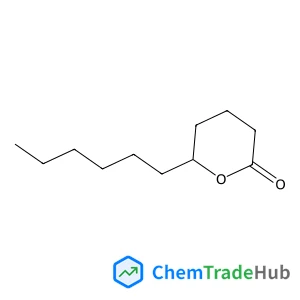
6-Hexyltetrahydro-2H-pyran-2-one(CAS: 710-04-3)
CAS Number
Related Products
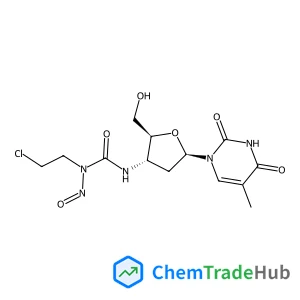
Allyl (3-methylbutoxy)acetate
CAS Number: 67634-00-8
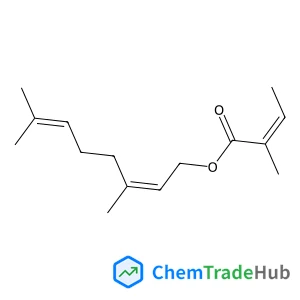
Geranium extract
CAS Number: 8000-46-2
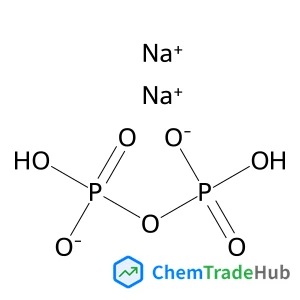
Disodium Pyrophosphate
CAS Number: 7758-16-9
Vetivert oil
CAS Number: 8016-96-4
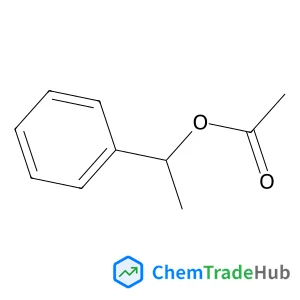
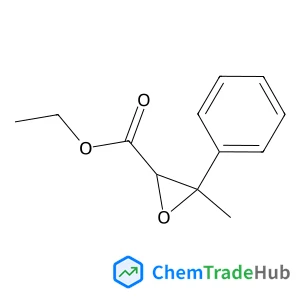
1-Phenylethyl acetate
CAS Number: 93-92-5
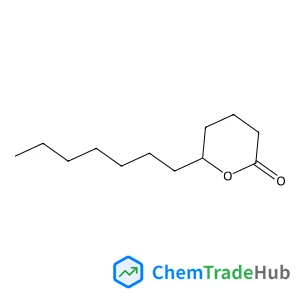
6-Heptyltetrahydro-2H-pyran-2-one
CAS Number: 713-95-1
Other Suppliers for 6-Hexyltetrahydro-2H-pyran-2-one





Basic Information
Molecular Formula
C11H20O2
Molecular Weight
184.28 g/mol
Physical Properties
Boiling Point
168°C/12mmHg(lit.)
Density
0.969 g/mL at 25 °C(lit.)
Chemical Identifiers
SMILES
CCCCCCC1CCCC(O1)=O
InChIKey
YZRXRLLRSPQHDK-UHFFFAOYSA-N
Database References
MDL Number
MFCD00006650
Beilstein Registry Number
0122724
FAQ
6-Hexyltetrahydro-2H-pyran-2-one is a colorless to light yellow liquid with a soluble molecular weight of 188.27 g/mol. It has a high boiling point of approximately 245°C and is slightly soluble in water. This compound is reactive, particularly towards nucleophiles, and can undergo hydrolysis under basic conditions. It is commonly used in organic synthesis and as a precursor in various applications.
6-Hexyltetrahydro-2H-pyran-2-one can be synthesized via the ring-opening of a hexahydro-2H-pyran derivative with hexanoyl chloride in the presence of a suitable base like potassium hydroxide. The reaction is conducted in a solvent such as dichloromethane, and the product is isolated by recrystallization or distillation. The yield is typically around 70-80%, and the reaction is highly selective.
6-Hexyltetrahydro-2H-pyran-2-one is primarily used in the pharmaceutical and polymer industries. It serves as a building block in the synthesis of various organic compounds and is also employed in the production of resins and coatings. Additionally, it has applications in the development of sensors and as a reagent in organic chemistry experiments.
Proper handling of 6-Hexyltetrahydro-2H-pyran-2-one requires the use of personal protective equipment (PPE) such as gloves and safety glasses. It should be stored in a closed container away from heat, sparks, and sources of ignition. In case of a spill, it is recommended to use appropriate absorbents and follow proper disposal procedures as outlined in the safety data sheet (SDS). Handling should be done in a fume hood to minimize exposure to vapors.
Safety Notice
Please verify product specifications and safety data before use. Contact the supplier for detailed safety information.
Always follow proper handling procedures
Contact Information
winsunchem@jxsunlong.com