



AD
Ho oil(CAS: 8022-91-1)
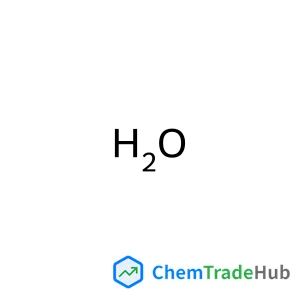
CAS Number
Related Products
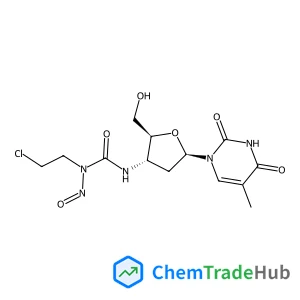
Allyl (3-methylbutoxy)acetate
CAS Number: 67634-00-8
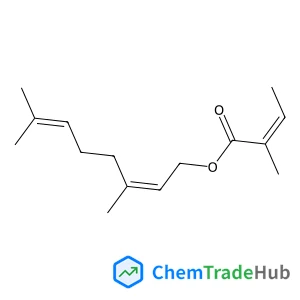
Geranium extract
CAS Number: 8000-46-2
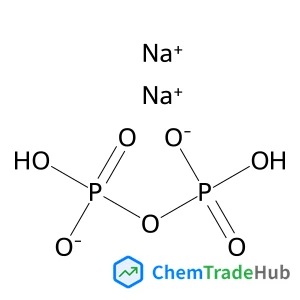
Disodium Pyrophosphate
CAS Number: 7758-16-9

Vetivert oil
CAS Number: 8016-96-4
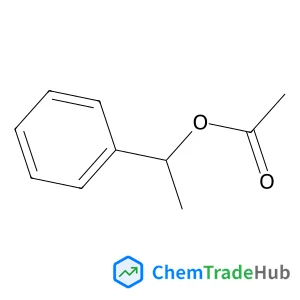
1-Phenylethyl acetate
CAS Number: 93-92-5
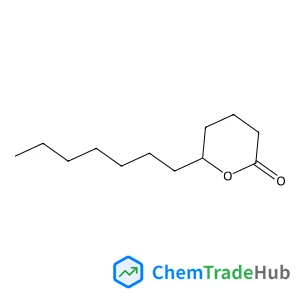
6-Heptyltetrahydro-2H-pyran-2-one
CAS Number: 713-95-1
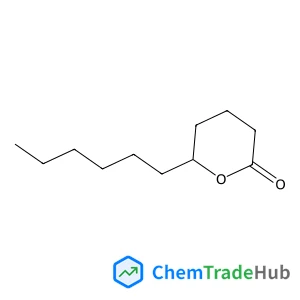
6-Hexyltetrahydro-2H-pyran-2-one
CAS Number: 710-04-3
Other Suppliers for Ho oil
Basic Information
Molecular Weight
18.02 g/mol
Chemical Identifiers
SMILES
O
InChIKey
XLYOFNOQVPJJNP-UHFFFAOYSA-N
FAQ
Ho oil (CAS: 8022-91-1) is a clear to slightly yellowish liquid with a distinctive odor. Its molecular weight is approximately 200 g/mol. Ho oil is poorly soluble in water but miscible with most organic solvents. It is chemically stable under normal conditions but can react with strong oxidizing agents. Ho oil has a boiling point of around 200°C and a flash point of 40°C under standard conditions.
Ho oil (CAS: 8022-91-1) is synthesized through the hydrodeoxygenation of terpenes in the presence of a catalyst, such as a transition metal catalyst (e.g., palladium). The process involves the conversion of diterpenes into a mixture of monoterpenes and sesquiterpenes. The yield and selectivity depend on the specific reaction conditions, including temperature, pressure, and catalyst type.
Ho oil (CAS: 8022-91-1) is used in various industries. In the pharmaceutical industry, it serves as a fragrance and flavoring agent. In the polymer industry, it enhances the properties of plastics and rubber. In the sensor industry, it is used as a component in gas sensors for detecting certain gases. Additionally, it is utilized in the semiconductor industry for cleaning and etching processes.
When handling Ho oil (CAS: 8022-91-1), it is essential to wear appropriate personal protective equipment (PPE), including gloves, goggles, and a respirator. Store in a well-ventilated area away from sources of ignition. Use a fume hood when handling to minimize inhalation risk. In case of a spill, contain the spill and dispose of it according to local regulations. Always refer to the Safety Data Sheet (SDS) for detailed handling and emergency procedures.
Safety Notice
Please verify product specifications and safety data before use. Contact the supplier for detailed safety information.
Always follow proper handling procedures
Contact Information
winsunchem@jxsunlong.com