



AD
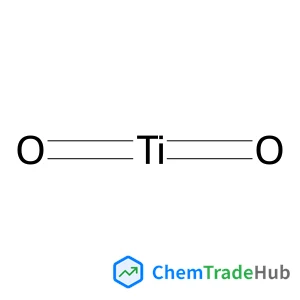
Titanium Dioxide(CAS: 13463-67-7)
CAS Number
Related Products
![(1S,2S,3S,5S)-5-[2-Amino-6-(benzyloxy)-9H-purin-9-yl]-3-(benzyloxy)-2-[(benzyloxy)methyl]cyclopentanol](https://static.chemtradehub.com/structs/142/142217-77-4-f297.webp)
![2',3'-Di-O-acetyl-5'-deoxy-5-fluoro-N-[(pentyloxy)carbonyl]cytidine](https://static.chemtradehub.com/structs/162/162204-20-8-d0f3.webp)
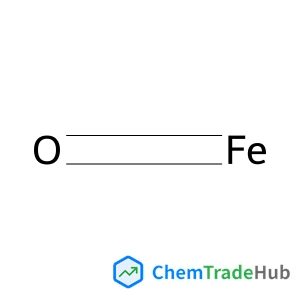
Iron oxide
CAS Number: 1332-37-2
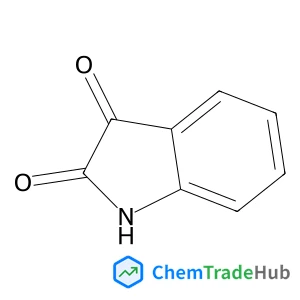
3-Hydroxy-2H-indol-2-one
CAS Number: 91-56-5
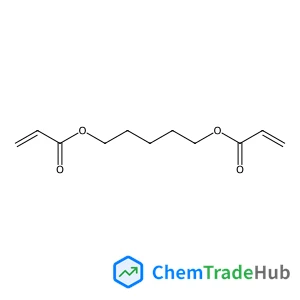
1,5-Pentanediyl bisacrylate
CAS Number: 36840-85-4
![2-Amino-9-[(1S,3R,4S)-4-hydroxy-3-(hydroxymethyl)-2-methylenecyclopentyl]-1,9-dihydro-6H-purin-6-one](https://static.chemtradehub.com/structs/142/142217-69-4-3af1.webp)
![3-[2-[[3-(2-carboxyethyl)-4-methyl-5-[(Z)-(4-methyl-5-oxo-3-vinyl-pyrrol-2-ylidene)methyl]-1H-pyrrol-2-yl]methyl]-4-methyl-5-[(Z)-(3-methyl-5-oxo-4-vinyl-pyrrol-2-ylidene)methyl]-1H-pyrrol-3-yl]propanoic acid](https://static.chemtradehub.com/structs/635/635-65-4-b57c.webp)
![2-Naphthalenecarboxylic acid,4-[(5-chloro-4-methyl-2-sulfophenyl)azo]-3-hydroxy-, barium salt (1:1)](https://static.chemtradehub.com/structs/758/7585-41-3-ddd4.webp)
Other Suppliers for Titanium Dioxide
Basic Information
Molecular Formula
O2Ti
Molecular Weight
79.87 g/mol
Physical Properties
Melting Point
>350 °C (lit.)
Boiling Point
2972 °C
Chemical Identifiers
SMILES
O=[Ti]=O
InChIKey
GWEVSGVZZGPLCZ-UHFFFAOYSA-N
Database References
MDL Number
MFCD02093416
FAQ
Titanium dioxide (CAS: 13463-67-7) is a white, odorless inorganic compound with the chemical formula TiO₂. It is a naturally occurring mineral known for its high refractive index, making it a popular pigment in various industries. It is also used as a sunscreen agent due to its ability to reflect UV rays. Titanium dioxide is non-toxic in its inert form but can be hazardous if inhaled in fine particles. It is widely used in cosmetics, food, and pharmaceuticals because of its stability and inertness.
Titanium dioxide (CAS: 13463-67-7) is widely used in multiple industries. In pharmaceuticals, it serves as an excipient and opacifier. In the food industry, it is used as a whitening agent and pigment. It is also a key component in cosmetics for its sun protection properties. Additionally, it is used in coatings, plastics, and paper due to its opacity and UV resistance. Its applications span from industrial manufacturing to research, making it a versatile chemical with a broad range of uses.
Titanium dioxide (CAS: 13463-67-7) is generally considered safe when used appropriately. It is non-toxic in its inert form and approved for use in food and cosmetics by regulatory agencies. However, inhalation of fine particles may pose health risks. Safety guidelines recommend using protective equipment when handling in powder form. It is important to follow safety standards to ensure proper use and minimize exposure risks.
Titanium dioxide (CAS: 13463-67-7) should be stored in a cool, dry, and well-ventilated area, away from moisture and light. It is best kept in a sealed container to prevent contamination. As a stable compound, it does not degrade easily under normal storage conditions. However, prolonged exposure to high humidity or heat may affect its quality. Proper storage ensures its effectiveness and safety in various applications.
Safety Notice
Please verify product specifications and safety data before use. Contact the supplier for detailed safety information.
Always follow proper handling procedures