



AD
Butyl 3-sulfanylpropanoate(CAS: 16215-21-7)
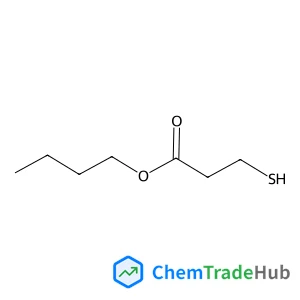
CAS Number
Related Products
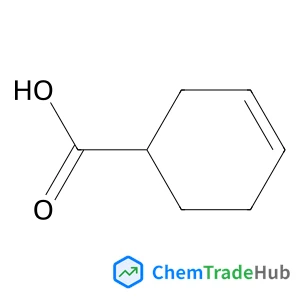
(1S)-3-Cyclohexene-1-carboxylic acid
CAS Number: 5708-19-0
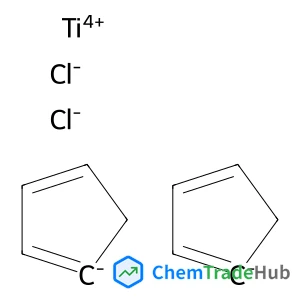
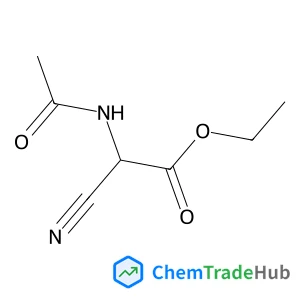
Ethyl Acetamidocyanoacetate
CAS Number: 4977-62-2
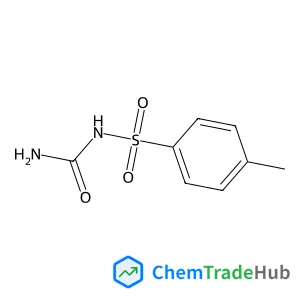
N-Carbamoyl-4-methylbenzenesulfonamide
CAS Number: 1694-06-0
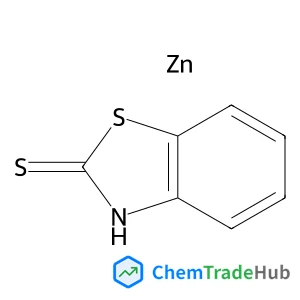
Zinc bis(1,3-benzothiazole-2-thiolate)
CAS Number: 155-04-4
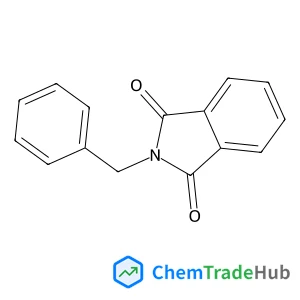
2-Benzyl-1H-isoindole-1,3(2H)-dione
CAS Number: 2142-01-0
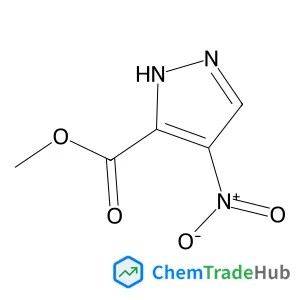
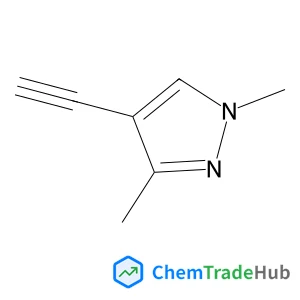
4-Ethynyl-1,3-dimethyl-1H-pyrazole
CAS Number: 61514-53-2
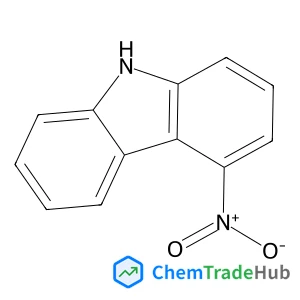
1-Nitro-9H-carbazole
CAS Number: 57905-76-7
Other Suppliers for Butyl 3-sulfanylpropanoate




Basic Information
Molecular Formula
C7H14O2S
Molecular Weight
162.25 g/mol
Physical Properties
Boiling Point
101 °C/12 mmHg(lit.)
Chemical Identifiers
SMILES
CCCCOC(=O)CCS
InChIKey
MGFFVSDRCRVHLC-UHFFFAOYSA-N
Database References
MDL Number
MFCD00083561
FAQ
Butyl 3-sulfanylpropanoate (CAS: 16215-21-7) is a colorless to light yellow liquid with a molecular weight of approximately 174.28 g/mol. It has a slight sulfury odor and is soluble in organic solvents like ethanol and acetone. It is moderately reactive towards strong bases and nucleophiles. Its boiling point is around 155°C, and it has a density of about 0.923 g/cm³.
Butyl 3-sulfanylpropanoate (CAS: 16215-21-7) is typically synthesized by reacting 3-chloropropanol with butyl mercaptan in the presence of a base like sodium hydride. The reaction involves nucleophilic substitution, forming a sulfide linkage. The process yields a high selectivity and good yield, making it a practical method for industrial synthesis.
Butyl 3-sulfanylpropanoate (CAS: 16215-21-7) is used in various industries. It is a key intermediate in the production of fragrances and flavors. Additionally, it finds applications in the pharmaceutical sector for certain medicinal compounds. Its reactivity and stability make it suitable for use in polymer synthesis and as a precursor in the development of advanced materials and sensors.
Proper handling of Butyl 3-sulfanylpropanoate (CAS: 16215-21-7) is crucial. Always wear appropriate personal protective equipment (PPE), including gloves, goggles, and a lab coat. Work in a well-ventilated area or a fume hood to avoid inhalation of vapors. Spills should be handled carefully, using absorbent materials and proper disposal methods. Review the safety data sheet (SDS) for detailed information on handling and emergency procedures.
Safety Notice
Please verify product specifications and safety data before use. Contact the supplier for detailed safety information.
Always follow proper handling procedures
Contact Information
jacschem@163.com