



AD
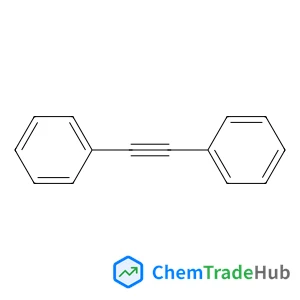
(2-phenylethynyl)benzene(CAS: 501-65-5)
CAS Number
Related Products

Magnesium diiodide
CAS Number: 14332-62-8
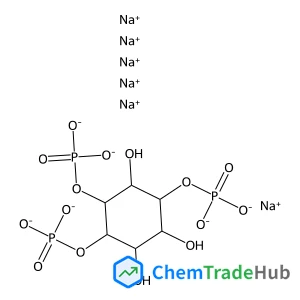

Aluminum alloy, base, Al 50,Ni 50
CAS Number: 12635-27-7
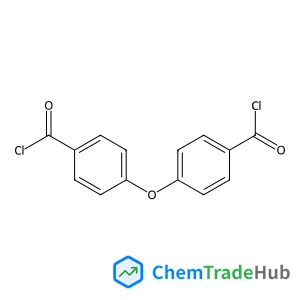
4,4'-Oxydibenzoyl chloride
CAS Number: 7158-32-9

![7,7-Dimethyl-5,7-dihydroindeno[2,1-b]carbazole](https://static.chemtradehub.com/structs/125/1257220-47-5-3fdd.webp)

Nitridovanadium
CAS Number: 24646-85-3
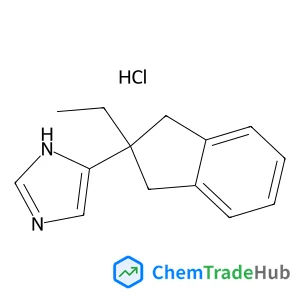
Atipamezole HCl
CAS Number: 104075-48-1
![1-O-[(5beta,8alpha,9beta,10alpha,13alpha)-13-{[beta-D-Glucopyranosyl-(1->2)-[beta-D-glucopyranosyl-(1->3)]-beta-D-glucopyranosyl]oxy}-18-oxokaur-16-en-18-yl]-beta-D-glucopyranose](https://static.chemtradehub.com/structs/585/58543-16-1-7650.webp)
Other Suppliers for (2-phenylethynyl)benzene





Basic Information
Molecular Formula
C14H10
Molecular Weight
178.23 g/mol
Physical Properties
Melting Point
58.0 to 62.0 deg-C
Boiling Point
170 °C/19 mmHg(lit.)
Flash Point
170°C/19mm
Water Solubility
Miscible with ether and hot alcohol. Immiscible with water.
Chemical Identifiers
SMILES
C1=CC=C(C=C1)C#CC2=CC=CC=C2
InChIKey
JRXXLCKWQFKACW-UHFFFAOYSA-N
Database References
MDL Number
MFCD00004786
Beilstein Registry Number
606478
FAQ
(2-phenylethynyl)benzene (CAS: 501-65-5) falls under various regulatory frameworks. Under the Globally Harmonized System of Classification and Labelling of Chemicals (GHS), it is classified as flammable liquid category 3. In the European Union, it is regulated under REACH, requiring suppliers to provide safety data sheets and register substances above a certain tonnage. Additionally, the FDA and EPA have specific guidelines for its handling, storage, and disposal in the context of pharmaceutical and industrial applications.
Alternative reagents to (2-phenylethynyl)benzene (CAS: 501-65-5) in synthesis include 1-phenylethenol and phenylacetylene, which offer similar functionality but can be easier to handle. Isomers such as 1-phenylethylene can also serve as viable alternatives. These compounds are often used in polymer synthesis and as intermediates in the production of pharmaceuticals and dyes.
The market and research trends for (2-phenylethynyl)benzene (CAS: 501-65-5) are driven by its use in developing advanced materials and pharmaceuticals. Recent research focuses on its application in the synthesis of polymers and as a key intermediate in drug development. Market trends indicate a growing demand, particularly in the pharmaceutical sector for new drug candidates and in the electronics industry for functional materials.
Waste containing (2-phenylethynyl)benzene (CAS: 501-65-5) should be managed according to hazardous waste regulations. It is typically collected in dedicated containers and stored in a secure area, away from ignition sources. For disposal, it should be incinerated in an appropriate facility or through professional waste disposal services that comply with local regulations. Environmental protection measures include proper labeling of waste, minimizing the risk of spills, and ensuring compliance with EPA and local environmental protection agency guidelines.
Safety Notice
Please verify product specifications and safety data before use. Contact the supplier for detailed safety information.
Always follow proper handling procedures

Contact Information
1400878899@qq.com
Mobile
13517219350
Telephone
027-59106051
Fax
QQ:1400878899
Visit Website
http://www.baidu-chem.com/