



AD
3,5-Dichloro-2-pyridinecarboxylic acid(CAS: 81719-53-1)
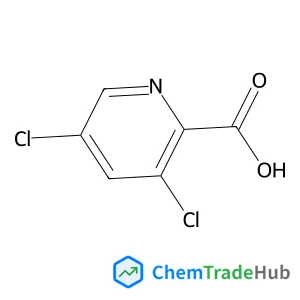
CAS Number
Related Products
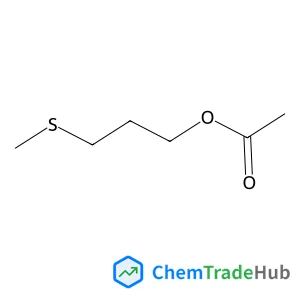
3-(Methylsulfanyl)propyl acetate
CAS Number: 16630-55-0
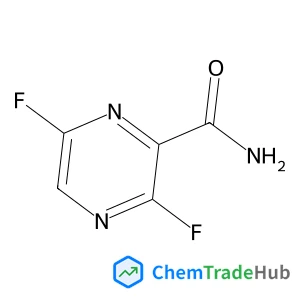
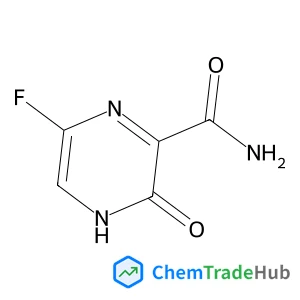
3,6-Difluoro-2-pyrazinecarboxamide
CAS Number: 356783-29-4
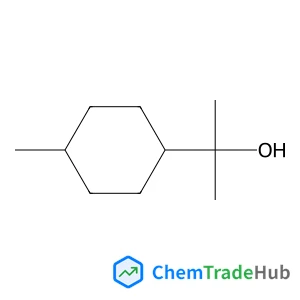
Dihydro-α-terpineol
CAS Number: 498-81-7

Copper(1+) sulfidocopper
CAS Number: 22205-45-4
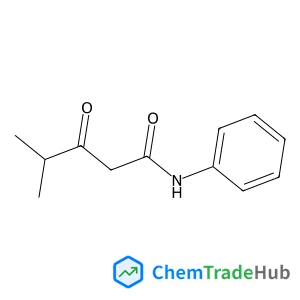
Atorvastatin Impurity 56
CAS Number: 124401-38-3
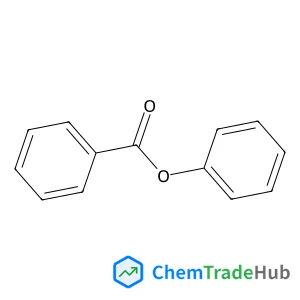
Phenyl Benzoate
CAS Number: 93-99-2
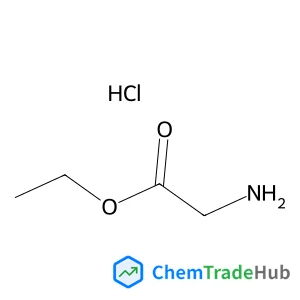
Glycine ethyl ester monohydrochloride
CAS Number: 623-33-6

Pentafluoroethanesulfonic acid
CAS Number: 354-88-1
Other Suppliers for 3,5-Dichloro-2-pyridinecarboxylic acid



Basic Information
Molecular Formula
C6H3Cl2NO2
Molecular Weight
192 g/mol
Physical Properties
Melting Point
159-166°C
Boiling Point
315.4°C at 760 mmHg
Density
1.612
Flash Point
144.6℃
Chemical Identifiers
SMILES
C1=C(C=NC(=C1Cl)C(=O)O)Cl
InChIKey
JYKZCYLZWZCQFP-UHFFFAOYSA-N
Database References
MDL Number
MFCD03230005
FAQ
3,5-Dichloro-2-pyridinecarboxylic acid (CAS: 81719-53-1) must comply with the Globally Harmonized System of Classification and Labelling of Chemicals (GHS) for hazardous chemicals. In the European Union, it falls under the REACH regulation, requiring notification to ECHA. FDA and EPA regulations might also apply for its use in food and environmental contexts. Ensure adherence to local and international safety data sheets and package inserts.
Alternatives to 3,5-Dichloro-2-pyridinecarboxylic acid include other pyridine carboxylic acids with different substituents, such as 2-chloro-3-pyridinecarboxylic acid, or similar compounds like 3,5-Dinitro-2-pyridinecarboxylic acid. Common substitutes might include commercially available reagents like chloroacetic acid or other halogenated compounds, depending on the specific synthetic pathway.
The market for 3,5-Dichloro-2-pyridinecarboxylic acid is primarily driven by its use in the pharmaceutical and agrochemical industries, particularly in the development of herbicides and pesticides. Research trends indicate increasing focus on its use in targeted drug delivery systems and as a reactive intermediate. Market dynamics suggest steady growth with potential for higher demand in emerging technologies.
Waste containing 3,5-Dichloro-2-pyridinecarboxylic acid should be collected in appropriate containers and disposed of according to local hazardous waste regulations. Incineration is one common disposal method, but professional waste disposal services are recommended for optimal environmental protection. Ensure proper labeling and documentation of waste management procedures to comply with regulatory requirements.
Safety Notice
Please verify product specifications and safety data before use. Contact the supplier for detailed safety information.
Always follow proper handling procedures
Contact Information
1018283355@qq.com
Mobile
15172537016
Telephone
027-59503710
Fax
QQ联系更便捷,QQ:1018283355,1018289922
Visit Website
http://www.xinhonglichem.com