



AD
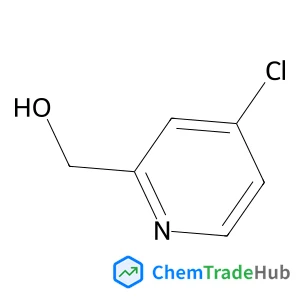
(4-Chloro-2-pyridinyl)methanol(CAS: 63071-10-3)
CAS Number
Related Products
![2-Methyl-2-propanyl [(2R)-1-hydroxy-2-propanyl]carbamate](https://static.chemtradehub.com/structs/106/106391-86-0-8397.webp)
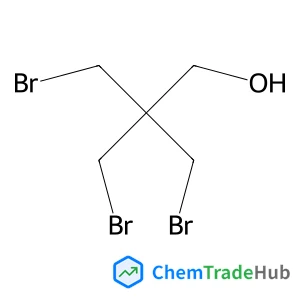
3-Bromo-2,2-bis(bromomethyl)-1-propanol
CAS Number: 1522-92-5
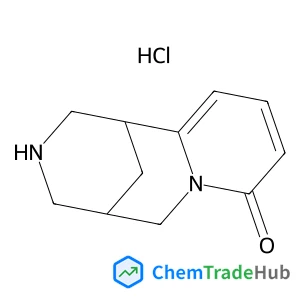
Cytisine hydrochloride
CAS Number: 6047-01-4
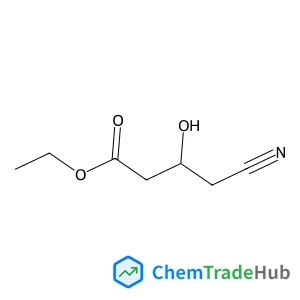
Atorvastatin Impurity 55
CAS Number: 141942-85-0
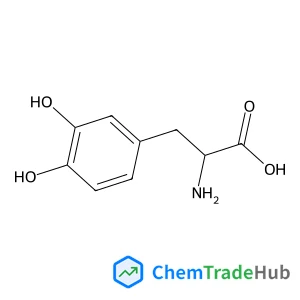
3-Hydroxy-D-tyrosine
CAS Number: 5796-17-8
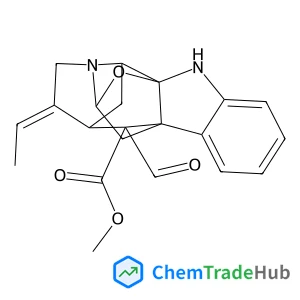
Picralinal
CAS Number: 20045-06-1
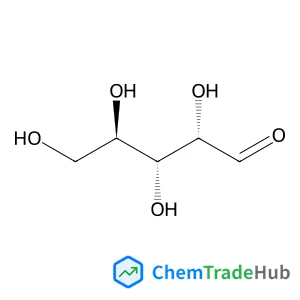
D-Arabinose
CAS Number: 9032-75-1
![(3aS,9R,9aS,9bS)-9-Hydroxy-6,9-dimethyl-3-methylene-3a,4,5,7,8,9,9a,9b-octahydroazuleno[4,5-b]furan-2(3H)-one](https://static.chemtradehub.com/structs/683/68370-47-8-daf4.webp)
Other Suppliers for (4-Chloro-2-pyridinyl)methanol






Basic Information
Molecular Formula
C6H6ClNO
Molecular Weight
143.57 g/mol
Physical State
White to Yellow Solid
Physical Properties
Melting Point
43.0 to 47.0 deg-C
Boiling Point
66°C/0.06mmHg(lit.)
Density
1.324
Flash Point
0℃
Chemical Identifiers
SMILES
C1=CN=C(C=C1Cl)CO
InChIKey
UEAIOHHGRGSGGJ-UHFFFAOYSA-N
Database References
MDL Number
MFCD07437885
FAQ
Regulatory guidelines for (4-Chloro-2-pyridinyl)methanol (CAS: 63071-10-3) include GHS classification, which categorizes it as a hazardous chemical due to its flammability. REACH regulations in the EU require manufacturers and importers to register the substance. FDA and EPA regulations also apply, particularly for its use in pharmaceuticals and pesticides, where it must comply with safety and environmental standards.
Yes, there are alternatives to (4-Chloro-2-pyridinyl)methanol (CAS: 63071-10-3) in synthesis, such as 2-pyridinylmethanol and chloropyridines. These alternatives may offer similar functional groups but differ in reactivity and synthetic routes. Isomers and analogs like 3-chloro-2-pyridinylmethanol can also be considered depending on the specific needs of the synthesis.
The market for (4-Chloro-2-pyridinyl)methanol (CAS: 63071-10-3) is driven by its applications in pharmaceuticals and agrochemicals. Research trends include its use as an intermediate in drug synthesis and its potential as a fungicide. Market trends indicate increasing demand due to its selectivity and efficacy, while ongoing research focuses on developing safer and more sustainable alternatives.
Waste containing (4-Chloro-2-pyridinyl)methanol (CAS: 63071-10-3) should be collected in sealed containers and stored in a well-ventilated area away from sources of ignition. Proper incineration is recommended for disposal, ensuring compliance with local environmental regulations. Professional waste disposal services are advised to handle the waste safely and responsibly, with precautions taken to prevent environmental contamination and ensure worker safety.
Safety Notice
Please verify product specifications and safety data before use. Contact the supplier for detailed safety information.
Always follow proper handling procedures
Contact Information
2423903095@qq.com