



AD
1,1,2,2,3,3,4,4-Octafluoro-1,4-diiodobutane(CAS: 375-50-8)

CAS Number
Related Products
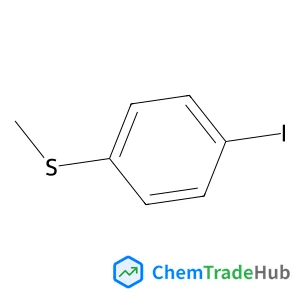
1-Iodo-4-(methylsulfanyl)benzene
CAS Number: 35371-03-0
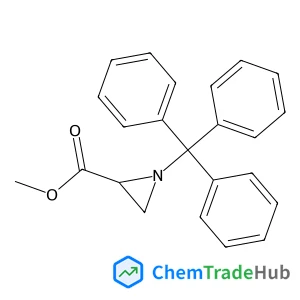

Dichloro-lambda~2~-plumbane
CAS Number: 7758-95-4
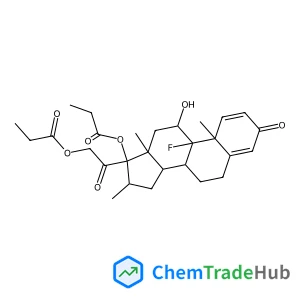
PUMICE STONE
CAS Number: 1332-09-8
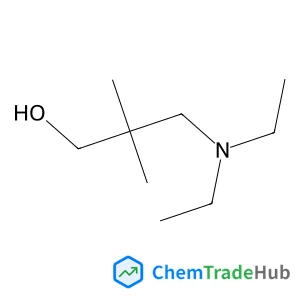
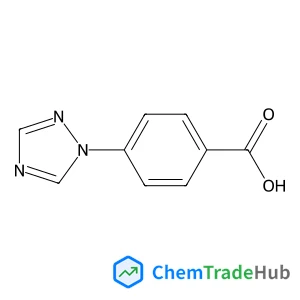
4-(1H-1,2,4-Triazol-1-yl)benzoic acid
CAS Number: 162848-16-0

2,3-Dibromobutane
CAS Number: 5408-86-6
SOYBEAN MEAL
CAS Number: 68308-36-1
![2-Chloro-N-[2-(2,6-dioxo-3-piperidinyl)-1,3-dioxo-2,3-dihydro-1H-isoindol-4-yl]acetamide](https://static.chemtradehub.com/structs/444/444287-84-7-fa4b.webp)
Other Suppliers for 1,1,2,2,3,3,4,4-Octafluoro-1,4-diiodobutane






Basic Information
Molecular Formula
C4F8I2
Molecular Weight
453.84 g/mol
Physical Properties
Melting Point
−9 °C (lit.)
Boiling Point
63°C/35mmHg(lit.)
Flash Point
85°C/100mm
Chemical Identifiers
SMILES
C(C(C(F)(F)I)(F)F)(C(F)(F)I)(F)F
InChIKey
JILAKKYYZPDQBE-UHFFFAOYSA-N
Database References
MDL Number
MFCD00042263
Beilstein Registry Number
1777548
FAQ
1,1,2,2,3,3,4,4-Octafluoro-1,4-diiodobutane (CAS: 375-50-8) falls under the GHS (Global Harmonized System of Classification and Labelling of Chemicals) and is classified as a highly toxic substance. For EU manufacturers and importers, it must comply with REACH regulations, ensuring proper hazard communication and risk management. Additionally, FDA and EPA regulations in the USA mandate strict handling, storage, and disposal practices to protect human health and the environment.
While 1,1,2,2,3,3,4,4-Octafluoro-1,4-diiodobutane (CAS: 375-50-8) is a specific compound with unique reactivity, other alternatives in synthesis include 1,1,2,2,3,3,4,4-Perfluoro-1,4-diiodobutane and 1,1,2,2,3,3,4,4-Octafluoro-1,4-diiodobutene. These compounds can serve as precursors or substitutes depending on the specific reaction conditions and desired properties.
The research trend for 1,1,2,2,3,3,4,4-Octafluoro-1,4-diiodobutane (CAS: 375-50-8) is focused on its use in specialized applications such as flame retardants, pharmaceuticals, and advanced materials. Market trends indicate increasing demand for high-performance materials and compounds with unique chemical properties, driving further research and development. However, the high toxicity and environmental concerns limit its widespread use.
Waste containing 1,1,2,2,3,3,4,4-Octafluoro-1,4-diiodobutane (CAS: 375-50-8) should be handled with extreme caution. Collect waste liquids in appropriately labeled containers and ensure proper containment to prevent leaks. For disposal, consult with a professional hazardous waste management service. Incineration is often the preferred method, but it must be conducted in a controlled environment to avoid environmental contamination. Always follow local and international regulations for the safe disposal of hazardous waste.
Safety Notice
Please verify product specifications and safety data before use. Contact the supplier for detailed safety information.
Always follow proper handling procedures
Contact Information
Contact Person
Ludu
order@canspecsci.com