



AD
2-(Trifluoromethyl)-4-quinolinecarbaldehyde(CAS: 78946-17-5)
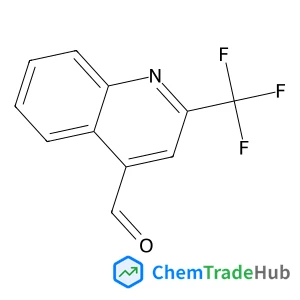
CAS Number
Related Products
![2-Methyl-2-propanyl [(2R)-1-hydroxy-2-propanyl]carbamate](https://static.chemtradehub.com/structs/106/106391-86-0-8397.webp)

3-Bromo-2,2-bis(bromomethyl)-1-propanol
CAS Number: 1522-92-5
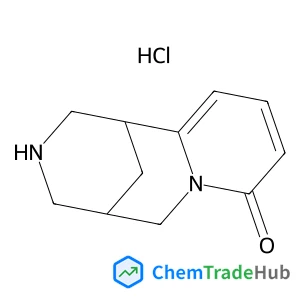
Cytisine hydrochloride
CAS Number: 6047-01-4
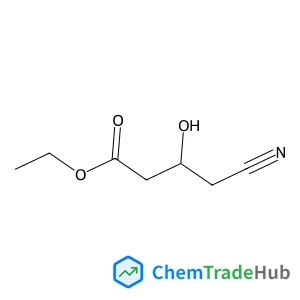
Atorvastatin Impurity 55
CAS Number: 141942-85-0
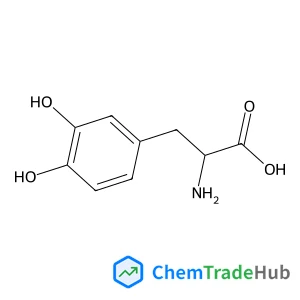
3-Hydroxy-D-tyrosine
CAS Number: 5796-17-8
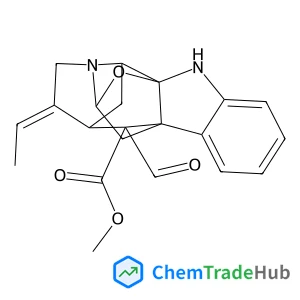
Picralinal
CAS Number: 20045-06-1
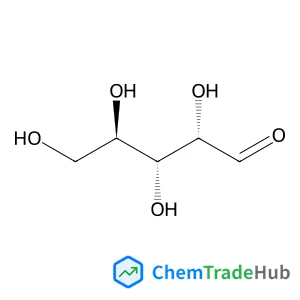
D-Arabinose
CAS Number: 9032-75-1
![(3aS,9R,9aS,9bS)-9-Hydroxy-6,9-dimethyl-3-methylene-3a,4,5,7,8,9,9a,9b-octahydroazuleno[4,5-b]furan-2(3H)-one](https://static.chemtradehub.com/structs/683/68370-47-8-daf4.webp)
Other Suppliers for 2-(Trifluoromethyl)-4-quinolinecarbaldehyde





Basic Information
Molecular Formula
C11H6F3NO
Molecular Weight
225.17 g/mol
Physical Properties
Boiling Point
288.6±35.0 ºC (760 Torr),
Density
1.390±0.06 g/cm3 (20 ºC 760 Torr),
Flash Point
128.3±25.9 ºC,
Chemical Identifiers
SMILES
C1=CC=C2C(=C1)C(=CC(=N2)C(F)(F)F)C=O
InChIKey
YORNOUOCXCQZJB-UHFFFAOYSA-N
Database References
MDL Number
MFCD08690742
FAQ
2-(Trifluoromethyl)-4-quinolinecarbaldehyde (CAS: 78946-17-5) falls under the purview of several regulatory guidelines. Under the Globally Harmonized System of Classification and Labelling of Chemicals (GHS), it may be classified as a category 2 sensitiser. In the European Union, it is subject to the Registration, Evaluation, Authorisation and Restriction of Chemicals (REACH) regulation, which requires manufacturers to provide comprehensive safety data sheets (SDS) and conduct risk assessments. The U.S. Food and Drug Administration (FDA) and Environmental Protection Agency (EPA) also regulate its use, particularly in pharmaceuticals and environmental releases, respectively.
When synthesizing compounds similar to 2-(Trifluoromethyl)-4-quinolinecarbaldehyde (CAS: 78946-17-5), chemists often explore alternatives such as 2-chloro-4-quinolinecarbaldehyde or 2-iodo-4-quinolinecarbaldehyde. These alternatives can serve as functional equivalents in certain applications, offering similar reactivity but with potentially different handling characteristics and regulatory considerations.
The market for 2-(Trifluoromethyl)-4-quinolinecarbaldehyde (CAS: 78946-17-5) is driven by its application in pharmaceuticals, particularly as an intermediate in the synthesis of bioactive molecules. Research trends focus on its use in medicinal chemistry, where it is often explored for its antimicrobial and anti-inflammatory properties. Market demand is expected to grow as new applications are discovered, but this is contingent on regulatory approvals and cost-effectiveness.
Handling waste containing 2-(Trifluoromethyl)-4-quinolinecarbaldehyde (CAS: 78946-17-5) requires adherence to strict environmental protection protocols. Waste should be collected in appropriate containers and stored separately until disposal. For incineration, ensure that the process meets all local and national emission standards. Alternatively, professional waste disposal services can manage the waste, ensuring it is treated in an environmentally responsible manner. Always consult the latest safety data sheets and local regulations for specific guidance.
Safety Notice
Please verify product specifications and safety data before use. Contact the supplier for detailed safety information.
Always follow proper handling procedures
Contact Information
2423903095@qq.com