



AD
Dimethoxyacetaldehyde(CAS: 51673-84-8)
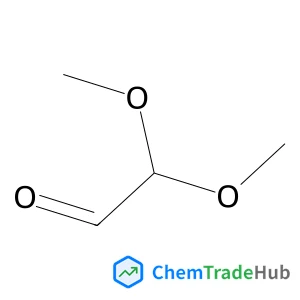
CAS Number
Related Products
![2-Methyl-2-propanyl [(2R)-1-hydroxy-2-propanyl]carbamate](https://static.chemtradehub.com/structs/106/106391-86-0-8397.webp)
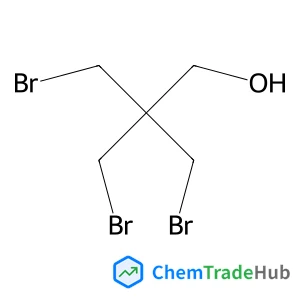
3-Bromo-2,2-bis(bromomethyl)-1-propanol
CAS Number: 1522-92-5
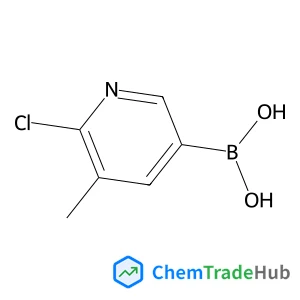
Cytisine hydrochloride
CAS Number: 6047-01-4
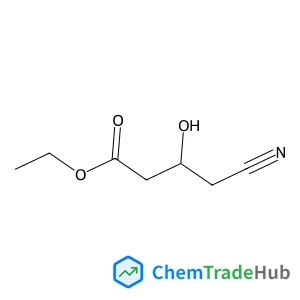
Atorvastatin Impurity 55
CAS Number: 141942-85-0
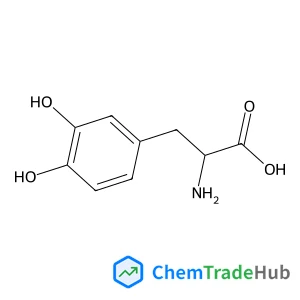
3-Hydroxy-D-tyrosine
CAS Number: 5796-17-8
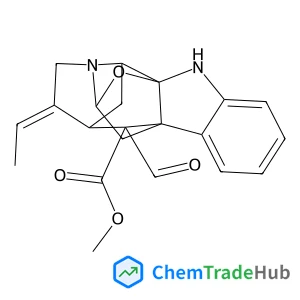
Picralinal
CAS Number: 20045-06-1
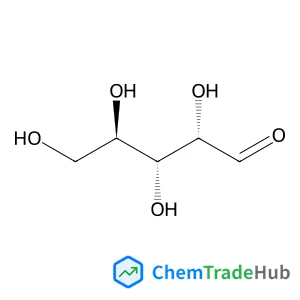
D-Arabinose
CAS Number: 9032-75-1
![(3aS,9R,9aS,9bS)-9-Hydroxy-6,9-dimethyl-3-methylene-3a,4,5,7,8,9,9a,9b-octahydroazuleno[4,5-b]furan-2(3H)-one](https://static.chemtradehub.com/structs/683/68370-47-8-daf4.webp)
Other Suppliers for Dimethoxyacetaldehyde





Basic Information
Molecular Formula
C4H8O3
Molecular Weight
104.1 g/mol
Physical Properties
Boiling Point
100 °C
Water Solubility
Fully miscible in water.
Chemical Identifiers
SMILES
COC(C=O)OC
InChIKey
OGFKTAMJLKHRAZ-UHFFFAOYSA-N
Database References
MDL Number
MFCD00134410
Beilstein Registry Number
1850744
FAQ
Dimethoxyacetaldehyde (CAS: 51673-84-8) falls under the GHS (Globally Harmonized System) for classification and labeling of chemicals. It is regulated under REACH (Registration, Evaluation, Authorisation and Restriction of Chemicals) in the European Union, requiring manufacturers and importers to register substances above 1 tonne per year. In the United States, the EPA regulates it under the Toxic Substances Control Act (TSCA) and the FDA may have regulations regarding its use in food contact applications.
Dimethoxyacetaldehyde can be synthesized using alternative reagents such as methanol and acetaldehyde. Other potential alternatives include dimethyl oxime or similar compounds, depending on the specific application. These alternatives may vary in reactivity and cost, but they can serve as effective substitutes in various chemical syntheses.
The market for Dimethoxyacetaldehyde (CAS: 51673-84-8) is growing steadily, driven by its applications in pharmaceuticals, organic synthesis, and as a solvent. Research trends focus on its use in developing new drugs and as a building block for complex molecules. Price trends show a steady demand but can fluctuate based on supply chain issues and market demand.
Waste containing Dimethoxyacetaldehyde (CAS: 51673-84-8) should be collected in suitable containment and disposed of according to local regulations. It can be incinerated or treated as a hazardous waste by a licensed professional. Environmental protection precautions include proper ventilation during handling and disposal to prevent inhalation and skin contact. Always follow local and national regulations for hazardous waste management.
Safety Notice
Please verify product specifications and safety data before use. Contact the supplier for detailed safety information.
Always follow proper handling procedures
Contact Information
2423903095@qq.com