



AD
Polypropylenglycol diglycidyl ether(CAS: 26142-30-3)
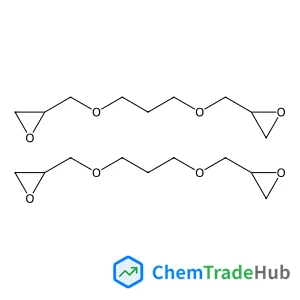
CAS Number
Related Products
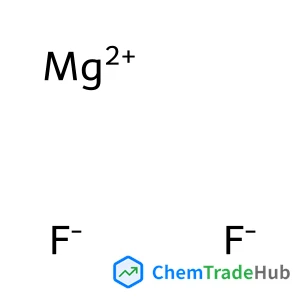
Magnesium difluoride
CAS Number: 7783-40-6
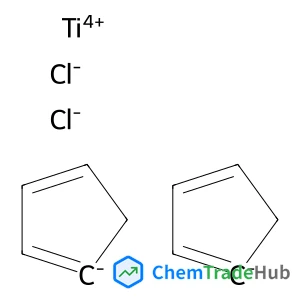
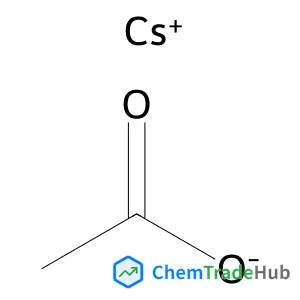
Caesium acetate
CAS Number: 3396-11-0
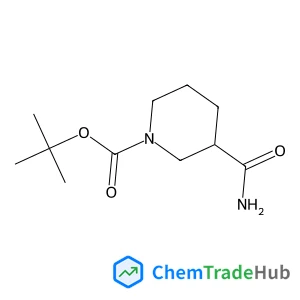
1-Boc-3-carbamoylpiperidine
CAS Number: 91419-49-7
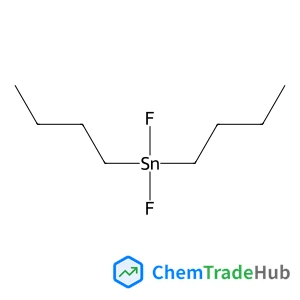
Dibutyl(difluoro)stannane
CAS Number: 563-25-7
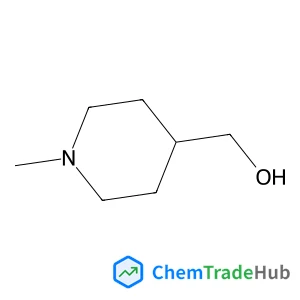
(1-Methyl-4-piperidinyl)methanol
CAS Number: 20691-89-8
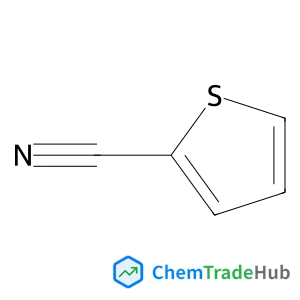
2-Thiophenecarbonitrile
CAS Number: 1003-31-2
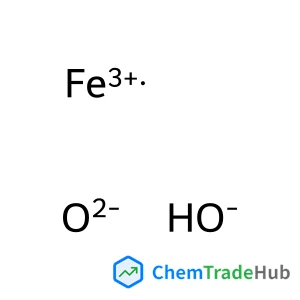
Iron Oxide (Solution in water)
CAS Number: 20344-49-4
Other Suppliers for Polypropylenglycol diglycidyl ether




Basic Information
Molecular Formula
(C3H6O)N.C6H10O3
Molecular Weight
0 g/mol
Physical Properties
Density
1.14 g/mL at 25 °C(lit.)
Flash Point
387 °F
Chemical Identifiers
SMILES
O1C(COCCCOCC2OC2)C1.O1C(COCCCOCC2OC2)C1
InChIKey
LWPNHGSIDMVCIQ-UHFFFAOYSA-N
Database References
MDL Number
MFCD00130930
FAQ
Polypropylenglycol diglycidyl ether (CAS: 26142-30-3) is a colorless to light yellow liquid with a molecular weight of approximately 344.48 g/mol. It has a high boiling point and is moderately soluble in water but soluble in a variety of organic solvents. It exhibits good reactivity towards hydroxyl compounds and can form stable polyurethane coatings and adhesives due to its epoxy functionality.
Polypropylenglycol diglycidyl ether (CAS: 26142-30-3) is synthesized by reacting propylene glycol with epichlorohydrin in the presence of a strong acid catalyst, such as sulfuric acid. The reaction produces a product with a high epoxy equivalent, which can be used for various applications, including coatings, adhesives, and composites.
Polypropylenglycol diglycidyl ether (CAS: 26142-30-3) is widely used in the coatings and adhesives industry due to its excellent bonding and curing properties. It is also utilized in the polymer industry for creating elastomers and polyurethanes. Additionally, it finds applications in the manufacturing of sensors, semiconductors, and other electronic components where its epoxy functionality is utilized.
When handling Polypropylenglycol diglycidyl ether (CAS: 26142-30-3), it is essential to wear appropriate personal protective equipment (PPE) such as gloves, goggles, and a laboratory coat. Ensure the use of a fume hood during mixing and application to avoid inhalation. Spills should be managed using appropriate absorbents, and the material safety data sheet (MSDS) or safety data sheet (SDS) should be consulted for specific spill procedures.
Safety Notice
Please verify product specifications and safety data before use. Contact the supplier for detailed safety information.
Always follow proper handling procedures
Contact Information
zktzchem@126.com