



AD
Methyl 4-hydroxy-3-methoxybenzoate(CAS: 3943-74-6)

CAS Number
Related Products

Aliskiren hemifumarate
CAS Number: 173334-58-2



(3S)-3-Pyrrolidinol
CAS Number: 100243-39-8
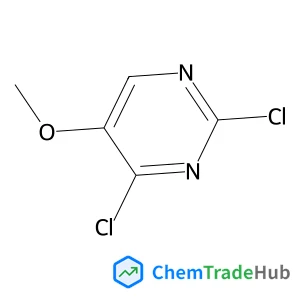
2,4-Dichloro-5-methoxypyrimidine
CAS Number: 19646-07-2
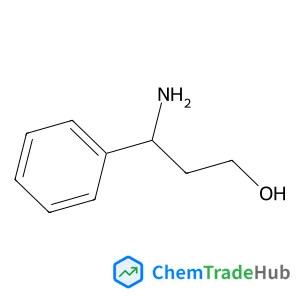
(3S)-3-Amino-3-phenyl-1-propanol
CAS Number: 82769-76-4
Other Suppliers for Methyl 4-hydroxy-3-methoxybenzoate



Basic Information
Molecular Formula
C9H10O4
Molecular Weight
182.18 g/mol
Physical Properties
Melting Point
58.0 to 66.0 deg-C
Boiling Point
287°C(lit.)
Flash Point
285-287℃
Chemical Identifiers
SMILES
COC(=O)C1=CC(OC)=C(O)C=C1
InChIKey
BVWTXUYLKBHMOX-UHFFFAOYSA-N
Database References
MDL Number
MFCD00008438
Beilstein Registry Number
1369113
FAQ
Methyl 4-hydroxy-3-methoxybenzoate (CAS: 3943-74-6) is subject to regulatory guidelines under the Globally Harmonized System (GHS), REACH regulations, and FDA/EPA requirements. It is classified as a hazardous chemical with warnings about skin and eye irritation, and proper handling, storage, and disposal protocols must be followed. Companies must ensure compliance with local and international regulations regarding its manufacturing, distribution, and use.
Synthesizers often explore alternatives to Methyl 4-hydroxy-3-methoxybenzoate (CAS: 3943-74-6) due to its reactivity and potential health concerns. Common alternatives include other esters or phenolic compounds that can achieve similar functionalities. For instance, ethyl 4-hydroxy-3-methoxybenzoate or similar structural analogs can be used as substitutes, providing a safer and more sustainable option in some cases.
The market for Methyl 4-hydroxy-3-methoxybenzoate (CAS: 3943-74-6) is driven by its applications in pharmaceuticals, cosmetics, and agrochemicals. Recent research trends focus on developing safer and more biodegradable alternatives. The market is also influenced by regulatory changes and increasing consumer demand for natural and eco-friendly products, leading to innovation in formulation and usage. However, the market trends vary based on geographical regions and industry sectors.
Waste containing Methyl 4-hydroxy-3-methoxybenzoate (CAS: 3943-74-6) should be managed carefully to minimize environmental impact. Waste liquids should be collected in appropriate containers and disposed of through professional waste disposal services that comply with local regulations. Incineration, chemical detoxification, or biological treatment methods can be used, depending on the concentration and form of the waste. Always follow local waste management guidelines and ensure all disposal methods adhere to environmental protection standards and safety protocols.
Safety Notice
Please verify product specifications and safety data before use. Contact the supplier for detailed safety information.
Always follow proper handling procedures
Contact Information
kevin@resuperpharmtech.com