



AD
4-(Aminomethyl)benzonitrile hydrochloride (1:1)(CAS: 15996-76-6)
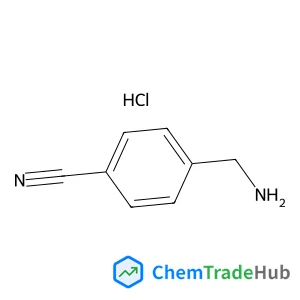
CAS Number
Related Products
![2-Methyl-2-propanyl [(2R)-1-hydroxy-2-propanyl]carbamate](https://static.chemtradehub.com/structs/106/106391-86-0-8397.webp)

3-Bromo-2,2-bis(bromomethyl)-1-propanol
CAS Number: 1522-92-5
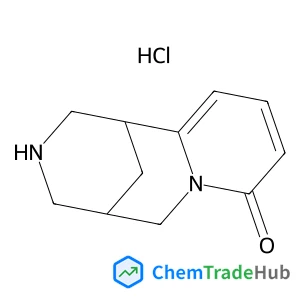
Cytisine hydrochloride
CAS Number: 6047-01-4
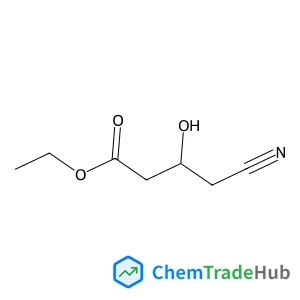
Atorvastatin Impurity 55
CAS Number: 141942-85-0
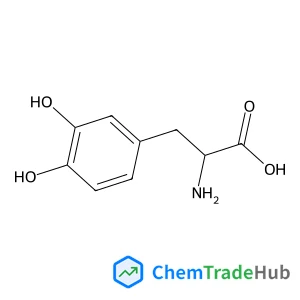
3-Hydroxy-D-tyrosine
CAS Number: 5796-17-8
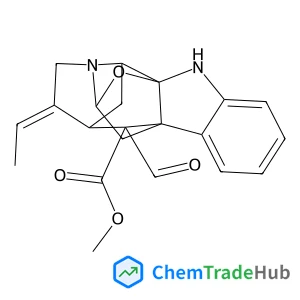
Picralinal
CAS Number: 20045-06-1

D-Arabinose
CAS Number: 9032-75-1
![(3aS,9R,9aS,9bS)-9-Hydroxy-6,9-dimethyl-3-methylene-3a,4,5,7,8,9,9a,9b-octahydroazuleno[4,5-b]furan-2(3H)-one](https://static.chemtradehub.com/structs/683/68370-47-8-daf4.webp)
Other Suppliers for 4-(Aminomethyl)benzonitrile hydrochloride (1:1)






Basic Information
Molecular Formula
C8H9ClN2
Molecular Weight
121.18 g/mol
Physical Properties
Melting Point
274-279 °C (lit.)
Boiling Point
275.4℃ at 760 mmHg
Flash Point
120.4℃
Water Solubility
almost transparency
Chemical Identifiers
SMILES
C1=CC(=CC=C1CN)C#N.Cl
InChIKey
QREZLLYPLRPULF-UHFFFAOYSA-N
Database References
MDL Number
MFCD01861472
FAQ
4-(Aminomethyl)benzonitrile hydrochloride (CAS: 15996-76-6) falls under various regulatory guidelines. It requires compliance with the Globally Harmonized System of Classification and Labelling of Chemicals (GHS), REACH regulations in the European Union, and FDA/EPA guidelines for its transportation and use in the United States. Companies using this compound must ensure it meets the specific handling, storage, and disposal requirements outlined in these regulations to avoid legal and safety issues.
For synthesis purposes, alternatives to 4-(Aminomethyl)benzonitrile hydrochloride (CAS: 15996-76-6) include other aminobenzonitriles and their derivatives. Common substitutes include 3-(Aminomethyl)benzonitrile and 2-(Aminomethyl)benzonitrile. These alternatives offer similar functionalities and can be used as effective replacements depending on the specific reaction conditions and desired product properties.
The market for 4-(Aminomethyl)benzonitrile hydrochloride (CAS: 15996-76-6) is growing due to its applications in pharmaceuticals, agrochemicals, and materials science. Research trends indicate increasing interest in its use as a precursor in the development of new materials and drugs. The compound's unique properties make it a valuable reagent in various industries, driving demand and innovation.
Waste containing 4-(Aminomethyl)benzonitrile hydrochloride (CAS: 15996-76-6) should be collected in appropriate containers and stored separately from other waste streams. The waste should be neutralized with a suitable base to reduce its toxicity before disposal. For large quantities or hazardous waste, it is recommended to use professional waste disposal services that specialize in handling chemicals. Proper environmental protection measures, such as preventing spills and ensuring safe transportation, are also crucial.
Safety Notice
Please verify product specifications and safety data before use. Contact the supplier for detailed safety information.
Always follow proper handling procedures
Contact Information
2423903095@qq.com