



AD
2-Methyl-1-octyl-1H-indole(CAS: 42951-39-3)
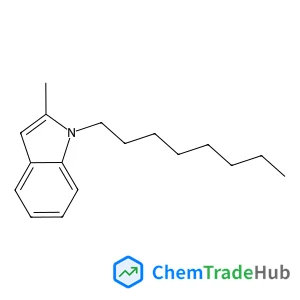
CAS Number
Related Products
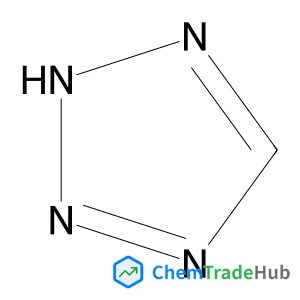
2H-Tetrazole
CAS Number: 288-94-8
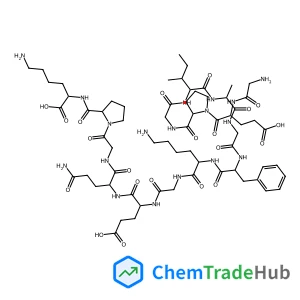
Collagen(cattle skin) (9CI)
CAS Number: 9064-67-9
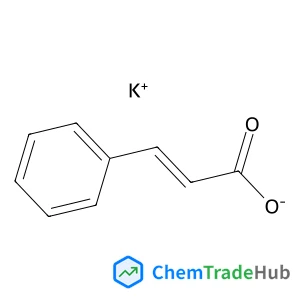
Potassium (2E)-3-phenylacrylate
CAS Number: 16089-48-8

Chloro(methyl)magnesium
CAS Number: 676-58-4
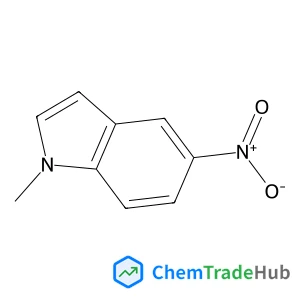
1-Methyl-5-nitro-1H-indole
CAS Number: 29906-67-0
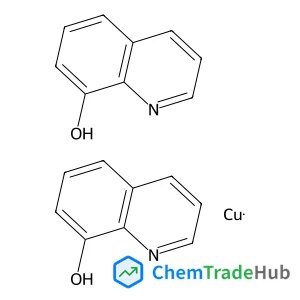
Bis(8-quinolinolato)copper(II)
CAS Number: 10380-28-6
![2-[4-(1-Hydroxy-4-{4-[hydroxy(diphenyl)methyl]-1-piperidinyl}butyl)phenyl]-2-methylpropanoic acid hydrochloride (1:1)](https://static.chemtradehub.com/structs/153/153439-40-8-f2bf.webp)
Other Suppliers for 2-Methyl-1-octyl-1H-indole





Basic Information
Molecular Formula
C17H25N
Molecular Weight
243.39 g/mol
Physical Properties
Boiling Point
367.3 ºC at 760 mmHg
Density
0.94
Flash Point
175.9ºC
Chemical Identifiers
SMILES
CCCCCCCCN1C(=CC2=CC=CC=C21)C
InChIKey
MOVCYDNEZZZSLV-UHFFFAOYSA-N
Database References
MDL Number
MFCD04972092
FAQ
2-Methyl-1-octyl-1H-indole is a solid with a crystalline form. Its molecular weight is approximately 212.3 g/mol. It has low water solubility (about 0.001 g/100 mL at 25°C) and is more soluble in organic solvents such as dichloromethane and toluene. This compound is moderately reactive and can undergo electrophilic aromatic substitution reactions. It does not react with common bases or acids under normal conditions.
2-Methyl-1-octyl-1H-indole is typically synthesized through an indole synthesis route involving the coupling of an indole derivative with a 1-octylmagnesium bromide in the presence of a suitable base like potassium carbonate. This method provides good selectivity and yield. Alternatively, it can be synthesized via a condensation reaction between 1-octylamine and indole using a suitable catalyst such as a Lewis acid or a palladium-based catalyst.
2-Methyl-1-octyl-1H-indole (CAS: 42951-39-3) is primarily used in the pharmaceutical industry for the synthesis of various drug compounds. It is also utilized in the production of fragrances and flavorings due to its characteristic odor. Additionally, it has some applications in the polymer industry as a stabilizer and in the development of sensors and semiconductors.
When handling 2-Methyl-1-octyl-1H-indole (CAS: 42951-39-3), it is important to wear appropriate personal protective equipment (PPE) such as gloves, safety goggles, and a lab coat. Work should be conducted in a well-ventilated area or a fume hood to minimize inhalation risks. Spills should be cleaned up with care using appropriate absorbents, and any disposal should follow local regulations. Always refer to the Safety Data Sheet (SDS) for detailed information on handling and storage.
Safety Notice
Please verify product specifications and safety data before use. Contact the supplier for detailed safety information.
Always follow proper handling procedures