



AD
2-methoxyethyl 4-methylbenzene-1-sulfonate(CAS: 17178-10-8)
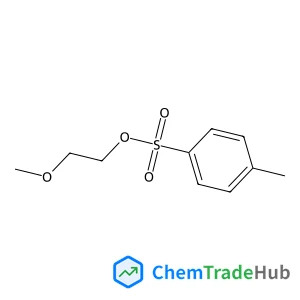
CAS Number
Related Products
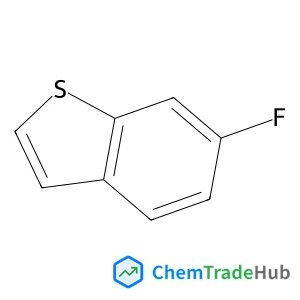
6-Fluoro-1-benzothiophene
CAS Number: 205055-10-3
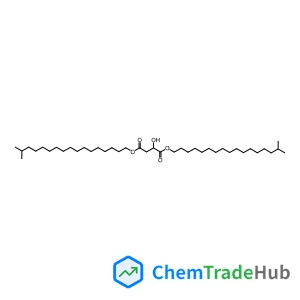
Bis(16-methylheptadecyl) malate
CAS Number: 67763-18-2
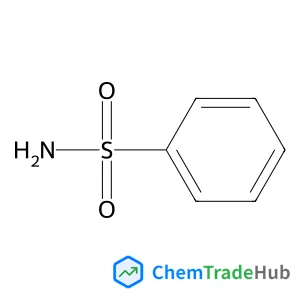
Benzenesulfonamide
CAS Number: 98-10-2
![2-(4-{[(9H-fluoren-9-yl)methoxy]carbonyl}piperazin-1-yl)acetic acid](https://static.chemtradehub.com/structs/180/180576-05-0-6f55.webp)
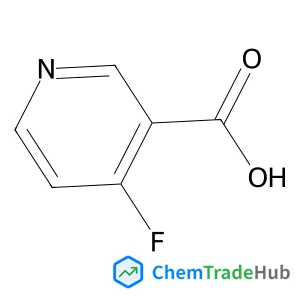
4-Fluoronicotinic acid
CAS Number: 152126-33-5
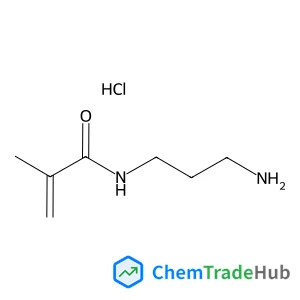
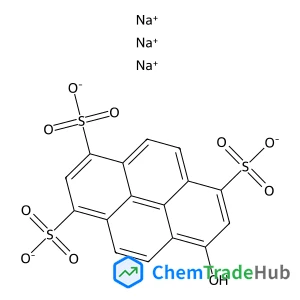
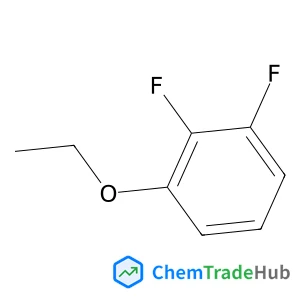
1-Ethoxy-2,3-difluorobenzene
CAS Number: 121219-07-6
Other Suppliers for 2-methoxyethyl 4-methylbenzene-1-sulfonate




Basic Information
Molecular Formula
C10H14O4S
Molecular Weight
230.29 g/mol
Physical Properties
Melting Point
10°C(lit.)
Boiling Point
141°C/0.2mmHg(lit.)
Flash Point
161.8°C
Chemical Identifiers
SMILES
CC1=CC=C(C=C1)S(=O)(=O)OCCOC
InChIKey
TZXJJSAQSRHKCZ-UHFFFAOYSA-N
Database References
MDL Number
MFCD00025910
FAQ
Regulatory guidelines for 2-methoxyethyl 4-methylbenzene-1-sulfonate (CAS: 17178-10-8) include GHS classification, which categorizes it as a hazardous chemical due to its potential health and environmental impacts. It is also subject to REACH regulations in the EU, requiring manufacturers and importers to register and evaluate the substance. Additionally, FDA and EPA regulations govern its use in the United States, focusing on its safety in consumer and industrial applications.
There are several alternatives to 2-methoxyethyl 4-methylbenzene-1-sulfonate in synthesis. Common substitutes include other methoxy ethers and various sulfonating agents. For instance, 2-ethoxyethyl 4-methylbenzene-1-sulfonate or 2-nitrophenyl 4-methylbenzene-1-sulfonate can be used as alternatives, depending on the specific requirements of the synthesis process. These alternatives offer similar functionalities but with varying reactivity and toxicity profiles.
The market trend for 2-methoxyethyl 4-methylbenzene-1-sulfonate (CAS: 17178-10-8) shows a focus on sustainable and environmentally friendly alternatives. Research trends are leaning towards developing less toxic and more biodegradable compounds. There is also increasing interest in its use in pharmaceuticals and agrochemicals due to its stability and reactivity. The industry is exploring new applications and formulations to meet growing demand while adhering to stricter environmental regulations.
Waste containing 2-methoxyethyl 4-methylbenzene-1-sulfonate (CAS: 17178-10-8) should be collected in appropriate containers and stored in a well-ventilated area. Incineration is a common method for disposal, but it must be conducted in a controlled and compliant manner to prevent air pollution. Alternatively, professional waste disposal services can ensure safe disposal. Environmental precautions include proper labeling and adherence to local and federal regulations to minimize environmental impact.
Safety Notice
Please verify product specifications and safety data before use. Contact the supplier for detailed safety information.
Always follow proper handling procedures

Contact Information
1178380033@qq.com
Mobile
15102714773
Telephone
027-59322316
Fax
027-59322316
Visit Website
http://www.tmhchg.com