



AD
2,2-Difluoroethyl acetate(CAS: 1550-44-3)
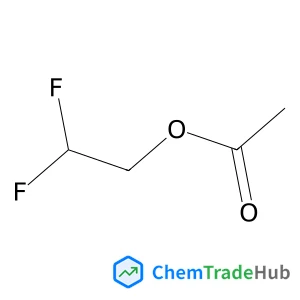
CAS Number
Related Products
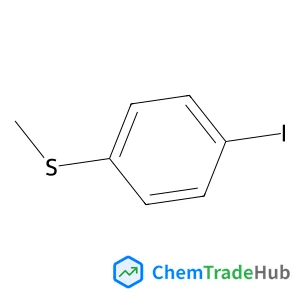
1-Iodo-4-(methylsulfanyl)benzene
CAS Number: 35371-03-0
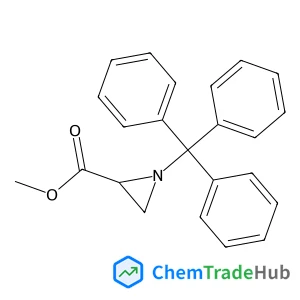
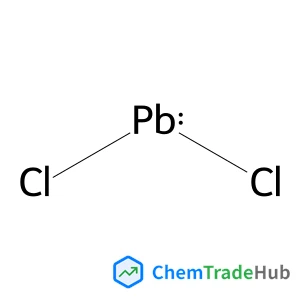
Dichloro-lambda~2~-plumbane
CAS Number: 7758-95-4
PUMICE STONE
CAS Number: 1332-09-8
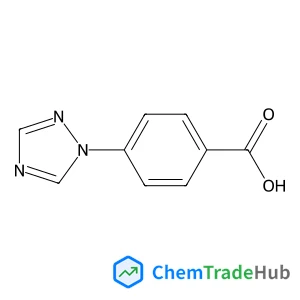
4-(1H-1,2,4-Triazol-1-yl)benzoic acid
CAS Number: 162848-16-0

2,3-Dibromobutane
CAS Number: 5408-86-6
SOYBEAN MEAL
CAS Number: 68308-36-1
![2-Chloro-N-[2-(2,6-dioxo-3-piperidinyl)-1,3-dioxo-2,3-dihydro-1H-isoindol-4-yl]acetamide](https://static.chemtradehub.com/structs/444/444287-84-7-fa4b.webp)
Other Suppliers for 2,2-Difluoroethyl acetate






Basic Information
Molecular Formula
C4H6F2O2
Molecular Weight
124.09 g/mol
Physical Properties
Boiling Point
106°C(lit.)
Flash Point
22°C
Chemical Identifiers
SMILES
CC(=O)OCC(F)F
InChIKey
PFJLHSIZFYNAHH-UHFFFAOYSA-N
Database References
MDL Number
MFCD00069133
FAQ
2,2-Difluoroethyl acetate (CAS: 1550-44-3) is regulated under the Globally Harmonized System of Classification and Labelling of Chemicals (GHS), which includes specific labeling and safety data sheet (SDS) requirements. For European markets, it also falls under REACH regulations, requiring registration if imported or manufactured. FDA and EPA may have additional requirements for handling and use in the United States, including proper storage, transport, and disposal.
There are several alternatives to 2,2-Difluoroethyl acetate (CAS: 1550-44-3) in synthesis, including 2,2-Difluoroethyl formate and 2,2-Difluoroethyl methanesulfonate. These can serve as effective equivalents depending on the specific reaction conditions and desired product purity. Other common analogs include ethyl acetate and methyl acetate, which can be used in similar reactions.
The market for 2,2-Difluoroethyl acetate (CAS: 1550-44-3) is growing due to its use in pharmaceuticals, agrochemicals, and fine chemicals. Research trends indicate increasing interest in its role as a key intermediate in the synthesis of bioactive compounds. Price trends show stability with a consistent demand in the chemical industry. Emerging research fields focus on its application in asymmetric synthesis and its environmental impact.
Waste containing 2,2-Difluoroethyl acetate (CAS: 1550-44-3) should be handled by collecting it in compatible containers and storing them in a well-ventilated area away from heat and ignition sources. Incineration is a common method of disposal, but professional waste disposal services should be utilized to ensure compliance with environmental regulations. Proper labeling and documentation of waste management procedures are essential to adhere to safety and environmental standards.
Safety Notice
Please verify product specifications and safety data before use. Contact the supplier for detailed safety information.
Always follow proper handling procedures
Contact Information
Contact Person
Ludu
order@canspecsci.com