



AD
Copper dinitrate(CAS: 3251-23-8)
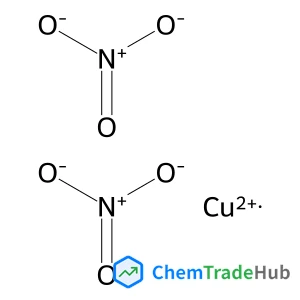
CAS Number
Related Products
![2-Methyl-2-propanyl [(2R)-1-hydroxy-2-propanyl]carbamate](https://static.chemtradehub.com/structs/106/106391-86-0-8397.webp)
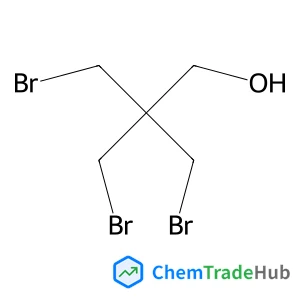
3-Bromo-2,2-bis(bromomethyl)-1-propanol
CAS Number: 1522-92-5
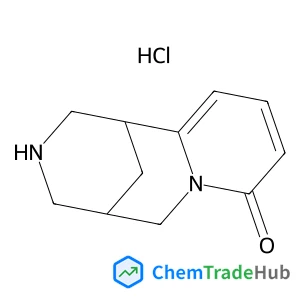
Cytisine hydrochloride
CAS Number: 6047-01-4
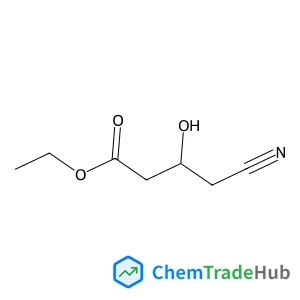
Atorvastatin Impurity 55
CAS Number: 141942-85-0
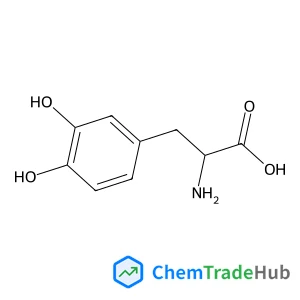
3-Hydroxy-D-tyrosine
CAS Number: 5796-17-8
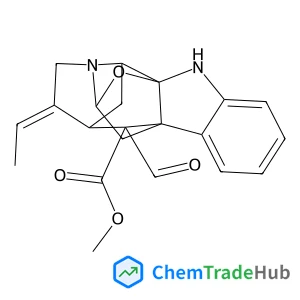
Picralinal
CAS Number: 20045-06-1
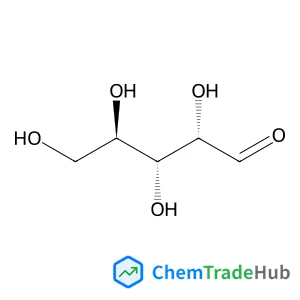
D-Arabinose
CAS Number: 9032-75-1
![(3aS,9R,9aS,9bS)-9-Hydroxy-6,9-dimethyl-3-methylene-3a,4,5,7,8,9,9a,9b-octahydroazuleno[4,5-b]furan-2(3H)-one](https://static.chemtradehub.com/structs/683/68370-47-8-daf4.webp)
Other Suppliers for Copper dinitrate




Basic Information
Molecular Formula
CuN2O6
Molecular Weight
187.56 g/mol
Physical Properties
Melting Point
115 ºC
Chemical Identifiers
SMILES
[O-][N+](=O)[O-].[O-][N+](=O)[O-].[Cu+2]
InChIKey
XTVVROIMIGLXTD-UHFFFAOYSA-N
Database References
MDL Number
MFCD00149669
FAQ
Copper dinitrate (CAS: 3251-23-8) should comply with the GHS classification, which includes health and environmental hazards. It is subject to REACH regulations in the European Union, requiring registration, evaluation, authorization, and restriction of chemicals. In the United States, the FDA and EPA have specific requirements for the handling and disposal of hazardous chemicals, including copper dinitrate.
There are several alternatives to copper dinitrate in synthesis, such as copper(II) nitrate trihydrate, which is more commonly used. Other alternatives include copper acetate and copper chloride. These alternatives can offer similar reactivity but may have different solubility and stability profiles.
The market for copper dinitrate is primarily driven by its applications in electroplating, metal oxide synthesis, and catalysts. Research trends are focusing on the development of more sustainable and eco-friendly synthetic methods. Additionally, there is increasing interest in using copper dinitrate in the production of functional materials and in environmental remediation technologies.
Waste containing copper dinitrate should be collected in appropriate containers and stored in a secure, well-ventilated area. It should be disposed of through professional waste disposal services that specialize in hazardous materials. Incineration is a common method for disposal, but precautions must be taken to prevent air pollution. Environmental protection measures include ensuring no spills occur and implementing proper containment to prevent groundwater contamination.
Safety Notice
Please verify product specifications and safety data before use. Contact the supplier for detailed safety information.
Always follow proper handling procedures
Contact Information
2423903095@qq.com